- The Culture Vulture
- Posts
- Duel of the Dim Sum: Royal China Baker Street vs Imperial Treasure
Duel of the Dim Sum: Royal China Baker Street vs Imperial Treasure
This issue: who rules dim sum in London, a Shakespearean mansion on the market, waters worth £19, and Manila gems.

Shakira Taylor
August 29, 2025

In partnership with

Hey Culture Clubbies!
In this edition, we’re sinking into dim sum rivalries, exploring a playwright’s extravagant retreat, sipping on exclusive water pairings, and jetting to urban Manila.
In under 10 minutes we’ll cover:
Duel of the Dim Sum: Royal China Baker Street vs Imperial Treasure
A £12.5 million Shakespearean Mansion hits the market
Britain’s first water sommelier menu—£19 a bottle?
Spotlight on Manila, Philippines
Let’s dive in.
Duel of the Dim Sum: Royal China Baker Street vs Imperial Treasure
London’s dim sum offerings are plentiful, but for consistently show-stopping service and unforgettable flavors, two rivals stand tall: Royal China Baker Street and Imperial Treasure. Each carries a different tone—one classic and comforting, the other elevated and theatrical, yet both promise to satisfy serious dumpling enthusiasts.
Start learning AI in 2025

Keeping up with AI is hard – we get it!
That’s why over 1M professionals read Superhuman AI to stay ahead.
Get daily AI news, tools, and tutorials
Learn new AI skills you can use at work in 3 mins a day
Become 10X more productive
Royal China Baker Street
Royal China greets you with a nod to mid-century Hong Kong banquet halls: assertive buzzer service, spacious dining rooms, and towering round tables cloaked in white linens. Located on Baker Street since 2003, this branch includes private rooms, live seafood tanks, and a long-standing reputation for reliable dim sum for group dining.

Royal China
Walking in feels instantly familiar. The menu is extensive, with an emphasis on Cantonese tradition more than flashy innovation. Diners praise its fidelity to classic flavors, especially among Chinese clientele seeking comfort food done right.
The food
Start with the steamed dumplings. Shrimp sui mai glide open at your first bite, the wrapper delicately thin, the filling unctuous with sweet shrimp and a hint of ginger. The char siu pork puffs are the stuff of legend—flaky pastry bursting with sticky, caramelized pork that melts in your mouth.
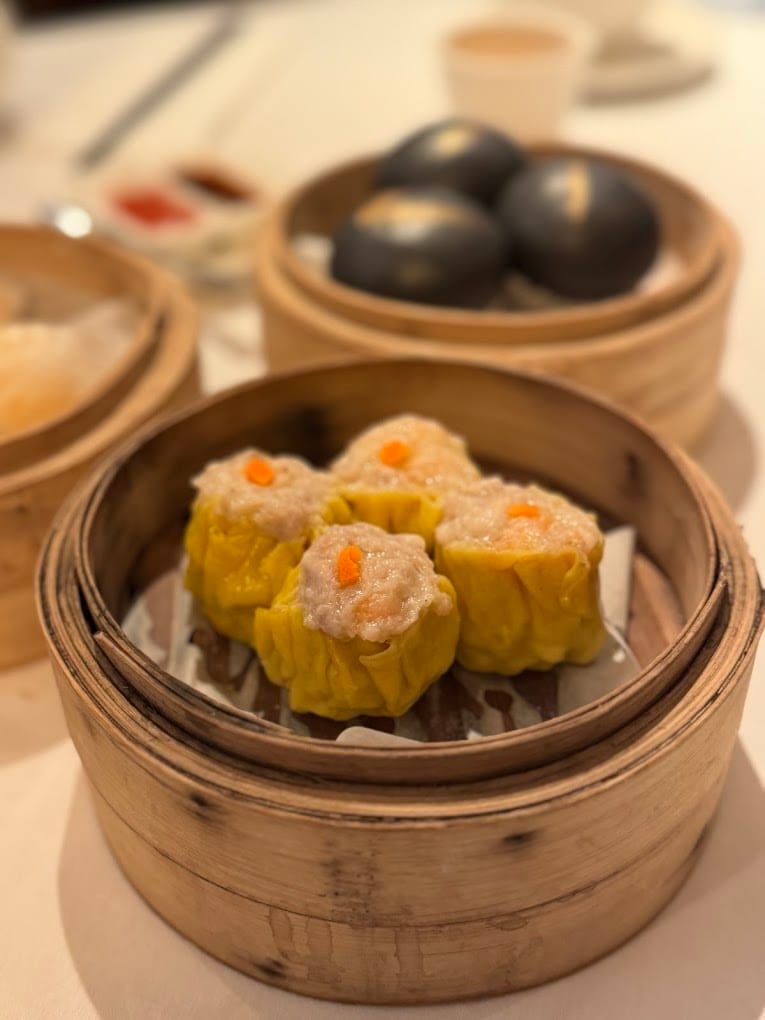
Sesame-paper prawns sit on paper so crisp it snaps at the edges, the prawn meat sweet and delightfully contrasted by the tropical mango sauce drizzled atop, a modern flourish, that some purists debate but few dislike.

The menu offers more than dim sum—Hunan-style seabass is sliced tall, drenched in a numbing chili oil that balances perfectly with the sweet white flesh; balance and texture play as much a part in the experience as the flavors themselves. Greens like gai lan arrive simply garlicked, crisp yet tender—a testament to the kitchen’s restraint. Even Singapore noodles manage to stay light, fragrant, and prawn-studded.

Service here is brisk—an efficient operation that feeds busy tables with speed and grace. Prices, while not the lowest, feel fair: about £80 per person delivers multiple courses, shared plates, and even a whole fish without the sting. For many, Royal China hits the sweet spot: traditional, efficient, and consistently satisfying.
Imperial Treasure
On the elevated end stands Imperial Treasure, whose London flagshop debuted in 2018 in a grand former Lloyd’s Bank. The interior is slick, refined, and modern—a design-driven space with high ceilings, muted textures, and a hushed elegance that whispers exclusivity.

Imperial Treasure
Dim sum is part of a broader gourmet menu here, but its presentation and execution stand out. Christian Liaigre’s polished design, onyx bars, leather banquettes, and soft lighting set the tone for high-luxe Cantonese fine.
Upon sitting, you're treated not to carts, but to avant-garde platings. The har gau glitters with gold leaf atop translucent shrimp, pairing purity with luxury.
The Food
Pork-and- prawn dumplings and inventive edamame versions show the dim sum craft as art form. Standout dishes include scallops served on a slick of Sichuan chili oil with cashew crunch and intense umami, and kung pao prawns that boast vibrancy without sacrificing depth. Their Singapore noodles are light, fragrant, and elevated with fresh vegetables and subtle seasoning, simple but memorably perfect.

The famed Peking duck show arrives in three acts: skewered skin dipped in sugar, followed by succulent meat with pancakes and hoisin, all artfully choreographed at table, dynamic theater and gastronomy intertwined. I felt like I was back in Shanghai.

Dim sum offerings here include cheung fun classics—silky, sticky rice sheets enveloping prawn or mushroom fillings. Reviewers note mushroom cheung fun’s earthy nuance and the prawn version’s perfect balance, though small in size.
Service is polished and warm, a team guided by grace rather than hustle. The venue holds 140 seats and three private rooms—great for private dinners or celebrations. Expect to invest more—lunch set menus and signature duck dishes start at mid-hundreds per person, but come with curation, wine selections, and artisanal sheen
The Verdict
If your heart thumps for rooted dim sum in a lively, generous dining room, choose Royal China Baker Street—comforting, trusted, and bustling. But if you're after architectural polish and haute Cantonese finesse with luxurious flair, Imperial Treasure delivers an unforgettable, tasteful experience. Both celebrate dumplings splendidly, but your mood (and appetite) will decide the side.
The £12.5M Shakespearean Mansion
Imagine living in a house fit for the Bard—because that’s exactly what's on offer with a newly listed £12.5 million Georgian mansion in Cheshire. Crafted by a Shakespeare scholar decades ago, the estate is now finding a new chapter in today’s market.

This home is a fine portrait in stone and timber. Stately Georgian architecture reveals classical symmetry with refined porticos and formal gardens. Inside, libraries brim with original tomes, and vaulted ceilings crown rooms where echoes of soliloquies feel at home.

The jewel is a private theatre tucked into the rear wing—ideal for real script readings, recitals, or literary salons. Wood-panelled walls, cherrywood bookshelves, and period fireplaces give every corner an antique camaraderie.

Beyond main living spaces, the gardens are poetry in themselves: trimmed hedges in Elizabethan knot patterns, a rose courtyard, carved moon gates, and an ornamental dovecote—all landscaped for contemplation and ceremony.

Price reflects heritage and scale—this house isn’t just a home, it’s a stage. Greatest of all is the aura: walking through feels suspended between the present and Renaissance, where every hallway whispers potential acts.

Whether for a Shakespeare devotee or a creative collective, it’s less a residence and more an immersive anthology. Rooms ready-made for monologues—in velvet, wood, and literary reverie.

Seeking impartial news? Meet 1440.
Every day, 3.5 million readers turn to 1440 for their factual news. We sift through 100+ sources to bring you a complete summary of politics, global events, business, and culture, all in a brief 5-minute email. Enjoy an impartial news experience.
Yes, you read right—Britain’s first water-only menu with bottles priced up to £19 is now flowing at a Michelin-guided restaurant, and it’s stirring more than just glasses.

The menu is curated by Doran Binder, one of only five certified water sommeliers in the UK. He treats water with the same respect wine sommeliers give pinot noir or Bordeaux. Sourced from glacial springs, mineral-rich wells, and volcanic aquifers, each water has a tasting note—“bright with limestone minerality,” “soft with magnesium-rich sweetness,” or “sharp, salty, brackish finish.”

The menu includes still and sparkling options, all selected for their perfect harmony with different dishes. Pair a zesty ceviche with a crisp, mineral water; try the smoother, fuller option alongside rich foie gras. The sommelier leads tasting flights, educating on pH, origin, flow, and retention—illustrating water’s subtle yet profound role in culinary texture and flavor reset between courses.
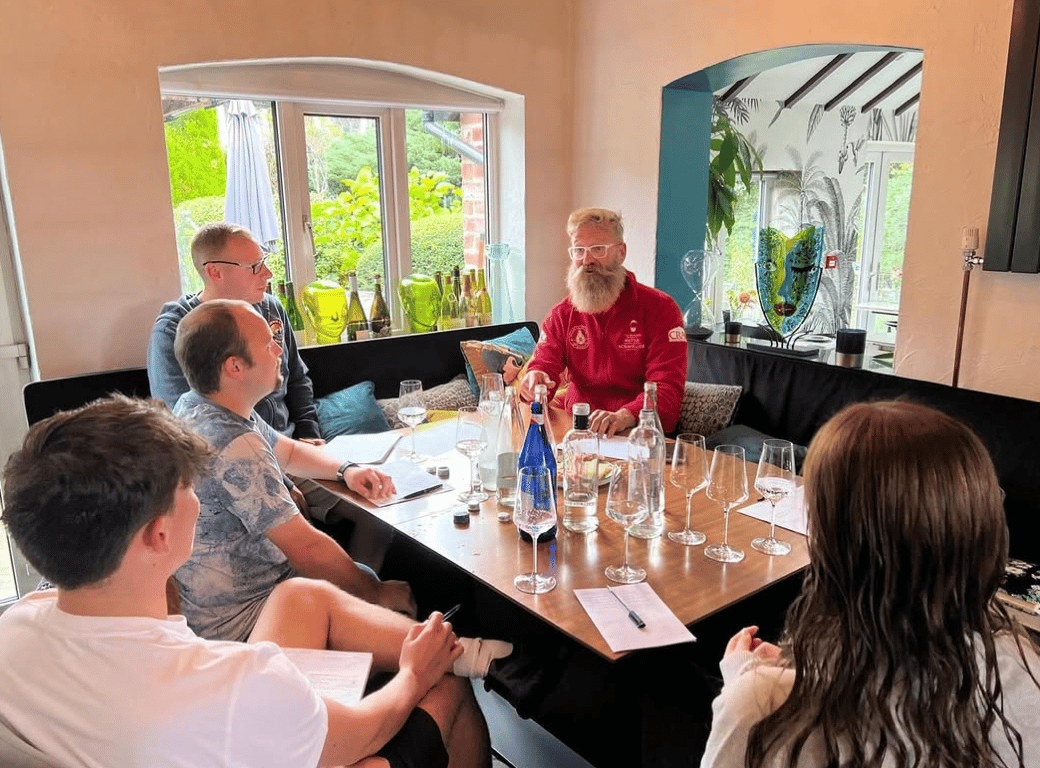
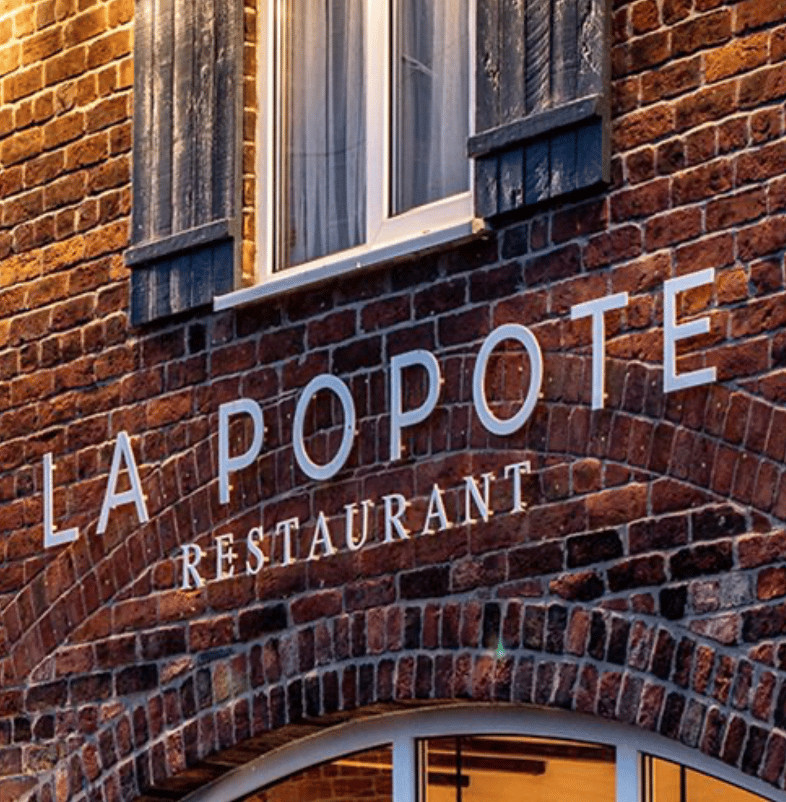
Water’s flavor is shaped by its minerals - total dissolved solids - like sodium, calcium, and magnesium; tiny differences in their balance can shift how it tastes on your tongue: sweet, briny, or clean. At La Popote, the water tasting is an interactive ritual: you’re guided through your four-bottle flight with explanations, palate cleansers, and reflection.
Critics suggest it’s more indulgence than necessity, and there’s environmental tension in bottled waters, but this movement aligns with a growing brunch culture that values sensorial thoroughness and alternatives to alcohol. Diners curious to explore will find it unexpectedly calming and restorative.
Would you try a water sommelier menu?Click and vote below: |
Travel spotlight: 3 Under the Radar tips for Manila, Phillippines
Eat:
Sample sisig - sizzling pork cheek with onions and chili—at Angel’s Hot Plate in Makati, where locals call it “climb the mountain of flavor.”.
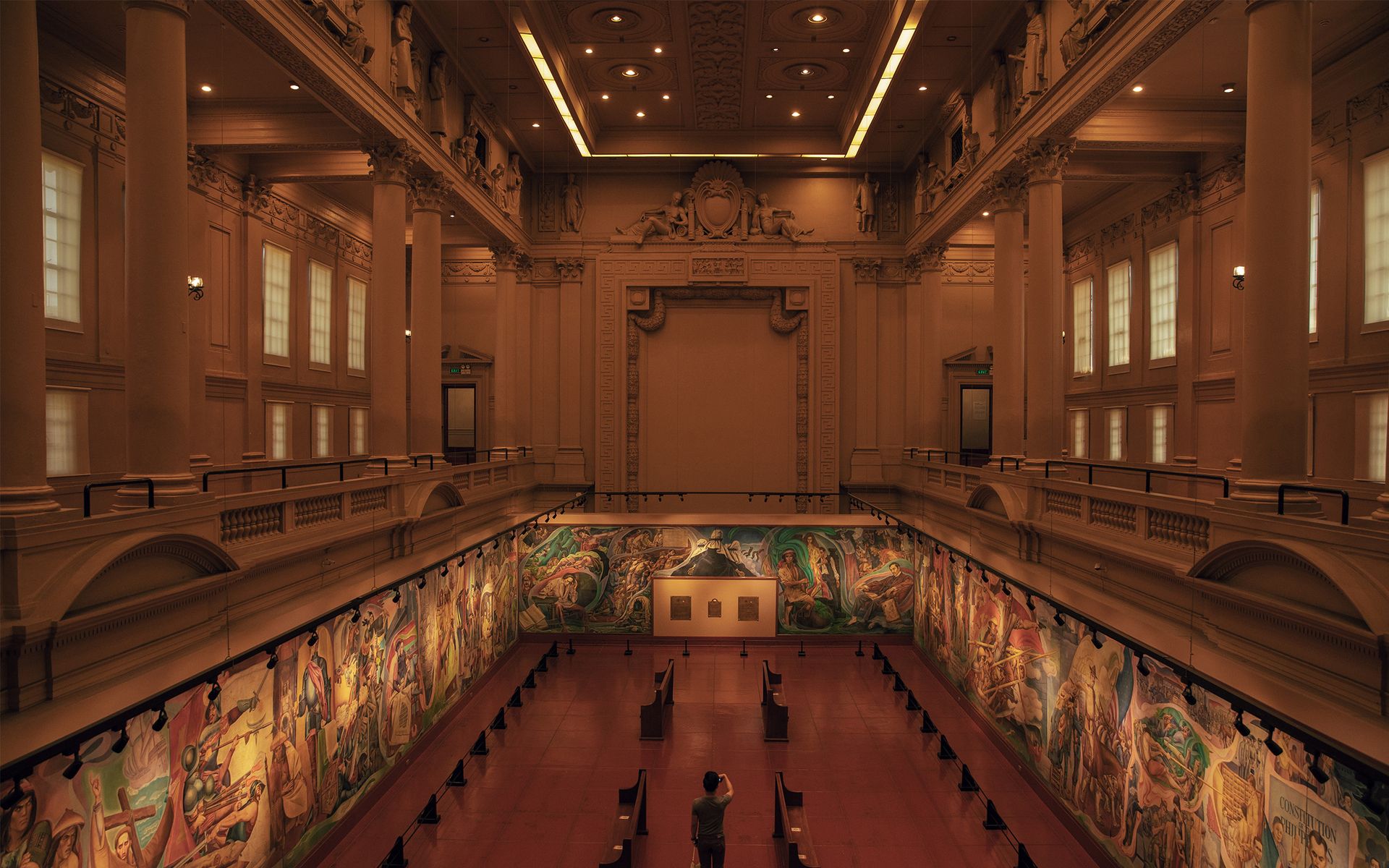
National Museum of Visual of Arts
Explore
Step inside the National Museum of Visual Arts, a peaceful paragon of Filipino expression in Ermita—focused on contemporary masters free from overcrowding.
Hidden gem
For a private escape, visit Hiraya Chocolates rooftop café in Quezon City. Order their rich tablea hot chocolate, and watch the city drift under string lights and cocoa steam.
Thank you for reading! Paalam.
How would you rate todays edition of the newsletter? |
Receive Honest News Today

Join over 4 million Americans who start their day with 1440 – your daily digest for unbiased, fact-centric news. From politics to sports, we cover it all by analyzing over 100 sources. Our concise, 5-minute read lands in your inbox each morning at no cost. Experience news without the noise; let 1440 help you make up your own mind. Sign up now and invite your friends and family to be part of the informed.