- The Culture Vulture
- Posts
- Legado: Nieves Barragán’s Spanish legacy comes to Shoreditch
Legado: Nieves Barragán’s Spanish legacy comes to Shoreditch
Legado’s bold Spanish debut, Max Richter’s overnight sleep concert, Roet’s giant ape and its environmental ask, and hidden gems in Nice, France.

Shakira Taylor
September 22, 2025

In partnership with

Hey Culture Clubbies!
In under 10 minutes, we’ll cover:
Legado: Nieves Barragán’s Spanish legacy comes to Shoreditch
SLEEP 10-year anniversary at Alexandra Palace
Great Ape – Art, Science & Sustainability in Kensington
Spotlight on Nice, France
Legado: Nieves Barragán’s Spanish legacy comes to Shoreditch
When a chef whose reputation has been built on honoring regional Spanish traditions moves into Shoreditch, expectations are high. With Legado, chef Nieves Barragán Mohacho has done just that, and then some. Legado is her follow-up to her Michelin-starred Sabor in Mayfair, and the ambition here is not small. The name Legado literally means “legacy”; it reflects her travels, her heritage, and her culinary philosophy.
We don’t do “business as usual”

The world moves fast, but understanding it shouldn’t be hard.
That’s why we created Morning Brew: a free, five-minute daily newsletter that makes business and finance news approachable—and even enjoyable. Whether it’s Wall Street, Silicon Valley, or what’s trending at the water cooler, the Brew serves up the context you need in plain English, with a side of humor to keep things interesting.
There’s a reason over 4 million professionals read the newsletter daily—and you can try it for free by clicking below!
Legado is located in Montacute Yards, Shoreditch High Street (E1 6HU), accessible via alley from Shoreditch High or via New Inn Yard from Old Street.
The space comprises a double-height, 60-seat main dining room, a 16-seat counter around the kitchen, and a Taberna bar / terrace for tapas and pintxos.
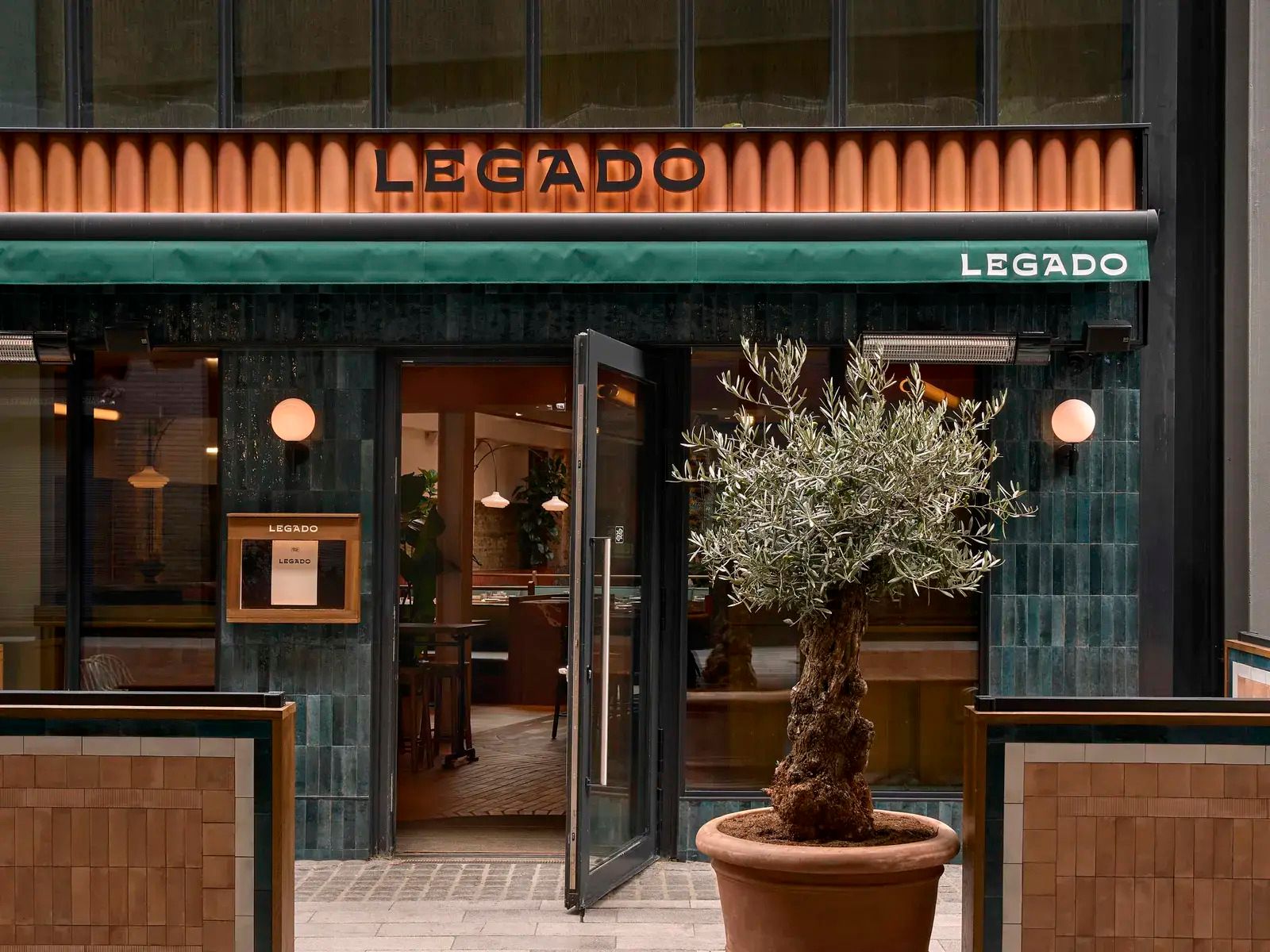
Legado
The design blends Spanish tradition with London modernity: Catalan-style arches, Basque mezzanine metalwork, Catalan tiles, Moorish ceramic motifs, natural oak counters, touches of sun-bleached terracotta, all set in wood, stone, and flickering light over windows.

Lighting, textures, and furniture all serve the food: the open kitchen, built-in wood-fired ovens from Madrid, is part stage, part hearth. You can see the flame, smell smoke, watch meats roast and fish sizzle. It’s warm, generous, dramatic, and inviting.
Meat, Seafood and Regional Spanish Heart
Legado positions itself not just as a tapas bar but a restaurant that roams all of Spain for inspiration: Andalusia, Galicia, Extremadura, Castilla, the islands. Dishes combine meat and seafood, traditional and rare.
Here are some of the standout offerings:
Milk-fed lamb from Zamora and suckling pig from Segovia, roasted in Legado’s custom wood ovens. The lamb is tender, richly flavoured, with char and smoke but a sweetness to its flesh. The suckling pig has crisp skin, succulent meat, and a balance of fat and crackle that feels celebratory.

Suckling pig
Whole fish catch-of-the-day (served by the half) grilled, offered with ajada sauce (a garlicky, paprika-infused sauce) — both the fish’s head and tail offer different textures. The head has more fat, skin, deeper umami; the tail is lighter, cleaner.

Pork ribs
Seafood wall with Mediterranean prawns, daily fish, dynamic displays. A plate like arroz de cangrejo (crab rice) with soft shell tempura adds contrast: richness, texture, crunchy tempura, bright citrus bursts.

Crab rice, tomatoes
Starters like pan con tomate with cecina — warm sourdough lightly charred, garlic-tomato rubbed, topped with delicate cured beef. And meat dishes like Iberico pork ribs glazed in deep savoury brown sauces with roasted vegetables on the side. Those are meant to be shared or savoured slowly.
Eating at Legado feels luxurious without being precious. Every flavour is layered. The lamb has smokiness, fat that melts, seasoning that’s precise; seafood dishes shine with brine, citrus, garlic, and gentle heat. Soft shell tempura adds crunch; rice is al dente yet rich. The char on meats and fish adds depth. Sauces aren’t heavy—they amplify, not mask, the main ingredient.

Textures range from crisp crackling, tender lamb, succulent fish, creamy rice, crunchy tempura, and fresh salad or side greens that cut through richness. It’s well balanced. You don’t leave feeling weighed down.
The Drinks
A rotating selection of around 18 wines by the glass, drawn from a 150-strong Spanish list. Wines from lesser-known grape varieties, sherries, sparkling wines, regional whites and reds. Cocktails and smaller drinks include No Pacharán, sangrias, and apertivos.
Price and Overall Comparison to Sabor
Legado is not cheap. Some dishes, especially meats roasted, carry premium pricing (e.g. suckling pig dishes) and the wine list, while broad, inclines at higher price points for bottles. But many patrons say that value comes from quality of ingredients, the variety of flavours, the theatrical cooking (open ovens, displays), and that this is a restaurant you want to return to.
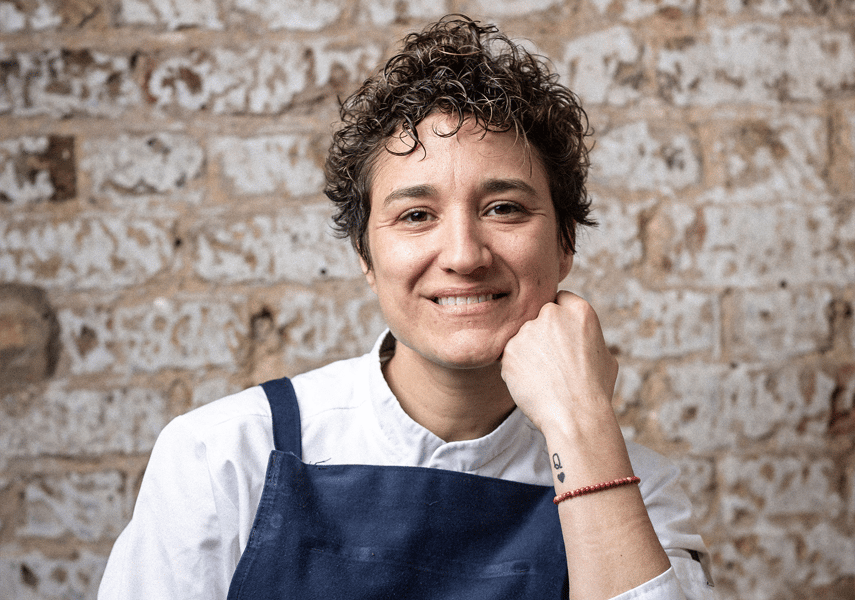
Chef Nieves Barragán
Compared to Sabor, Legado is more expansive in geography and flavour. Sabor focused more on Andalusian and Galician influences; Legado roams wider, taking less-known regional dishes, elevating meat and fish and treating every plate like a story. If Sabor was the statement that she could earn Michelin acclaim, Legado feels like the statement of her breadth and depth. It’s bold.
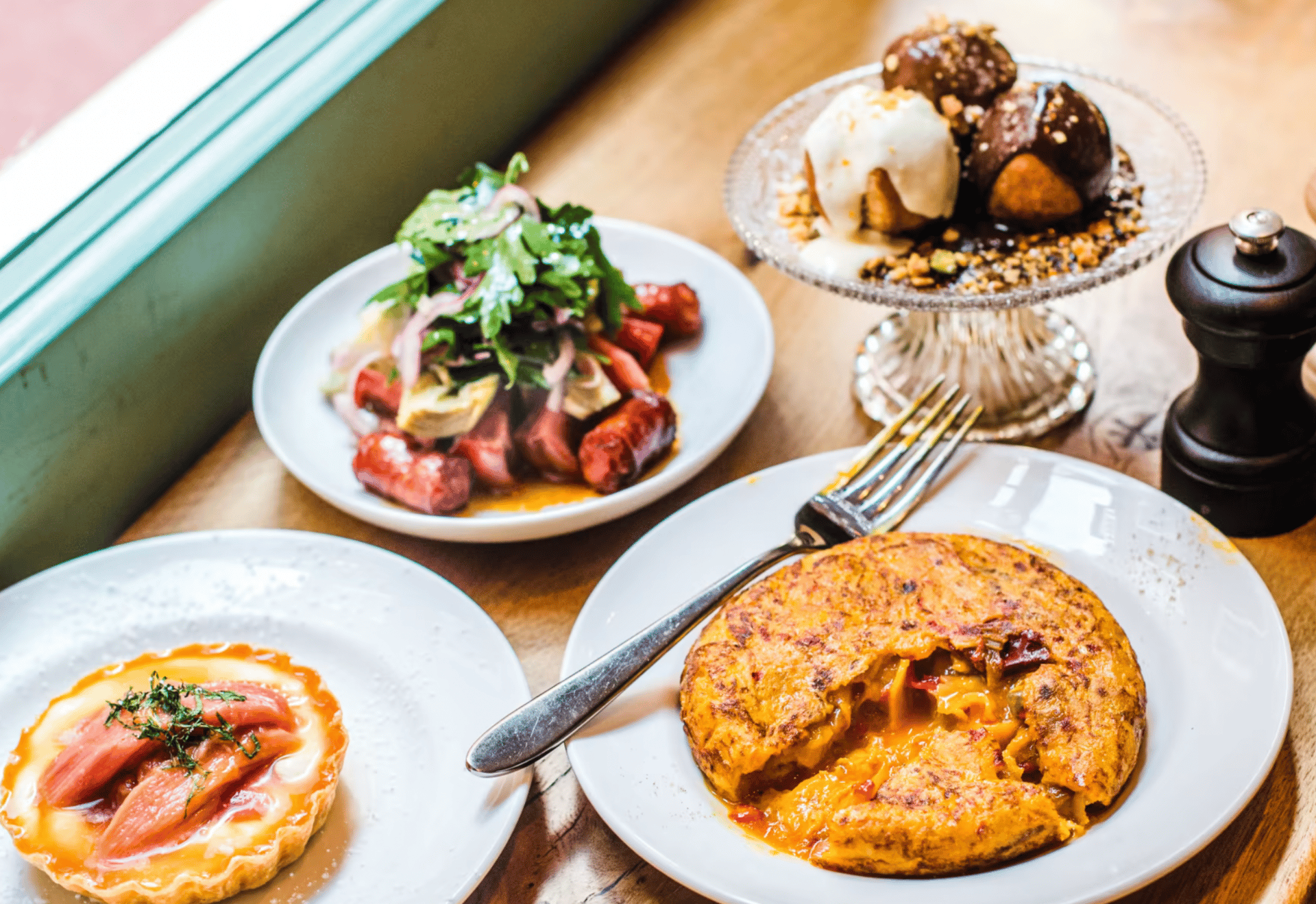
Sabor
Tips + What not to Miss
Start at the Taberna / terrace for pintxos and tapas if you want more variety or lighter bites.
The wood-fired meats are must-orders: lamb, suckling pig.
Order whole fish; try both head and tail portions.
Explore wines by the glass to discover local varietals.
Leave room for dessert or light after plates if the main meal has been rich.
SLEEP 10-Year Anniversary at Alexandra Palace
This September, Max Richter’s SLEEP returned to London in a way rare and dreamy. On 5 & 6 September 2025, Alexandra Palace’s Great Hall hosted overnight performances celebrating the 10th anniversary of SLEEP.

The original SLEEP is an eight-hour composition designed to replicate rhythms of sleep itself; for these anniversary shows, the album will be played in full.

Attendees are offered beds—that's one of the rare features of this concert: each ticket includes a bed, bedding is provided, visitors can enter from 8:00pm, the show begins at 10:00pm, and runs through until about 6:00am the next morning. A light breakfast is served at the end.

The stage isn’t the only performance. The atmosphere is domestic yet communal: hundreds of people in pyjamas or nightwear, dim lighting like bedrooms, lamps beside beds, soft murmurs, the kind of breathing that makes a hall feel like a giant shared slumber. One attendee described being in the Hall "like being on the moon" during those hushed moments of drifting.
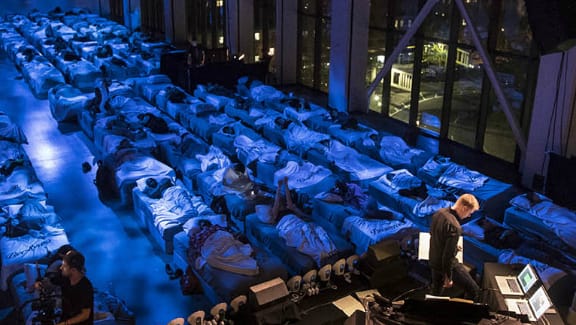
Musically, SLEEP is anchored in ambient, minimalism and sustained tones—piano, strings, electronic washes—that ebb and flow, coaxing the listener towards rest. Richter has spoken of how the composition’s duration and pacing are informed by sleep science, by the hypnagogic transition states (that point just before sleep overtakes consciousness). The experience is less about drama than immersion—allowing space for mind and body to unwind.

For those who’ve attended other immersive or extended-time art/concert events, SLEEP feels different. It’s not about spectacle or theatricality, but about presence, absence, and letting go. Many will travel hours for this, bring pillows, blankets, eye masks; many see it as spiritual or meditative, rather than simply a concert. It’s also a commitment: staying awake, then asleep, then waking in the hall. It changes how you think about performance and audience.

Be ready to leave daily life at the door. Because for eight hours, SLEEP demands stillness, yes—but also surrender.
AI You’ll Actually Understand

Cut through the noise. The AI Report makes AI clear, practical, and useful—without needing a technical background.
Join 400,000+ professionals mastering AI in minutes a day.
Stay informed. Stay ahead.
No fluff—just results.
Great Ape – Art, Science & Sustainability at Royal Geographical Society
From 4 September to 14 September 2025, Australian artist Lisa Roet presents Great Ape – Art, Science and Sustainability at the Royal Geographical Society, South Kensington. The exhibition highlights environmental urgency using striking art, textile innovation, and public awareness as its instruments.
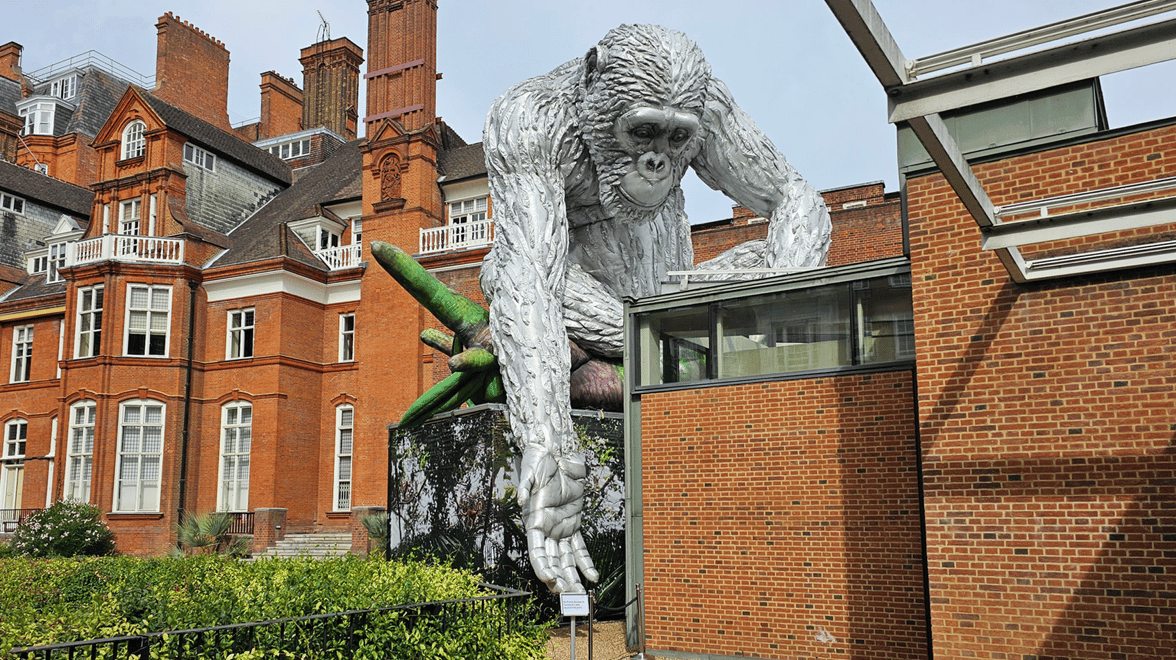
The centerpiece is a 13-metre inflatable sculpture of a great ape mounted on the terrace of the RGS. Made from thousands of satin-finished hand-cut and machine-quilted fabric panels sewn into peel-shaped segments, connected via weather-resistant thread, the entire structure weighs about 200 kilograms but displaces over 40 cubic metres of air. It’s an enormous visual presence that looms above Exhibition Road.
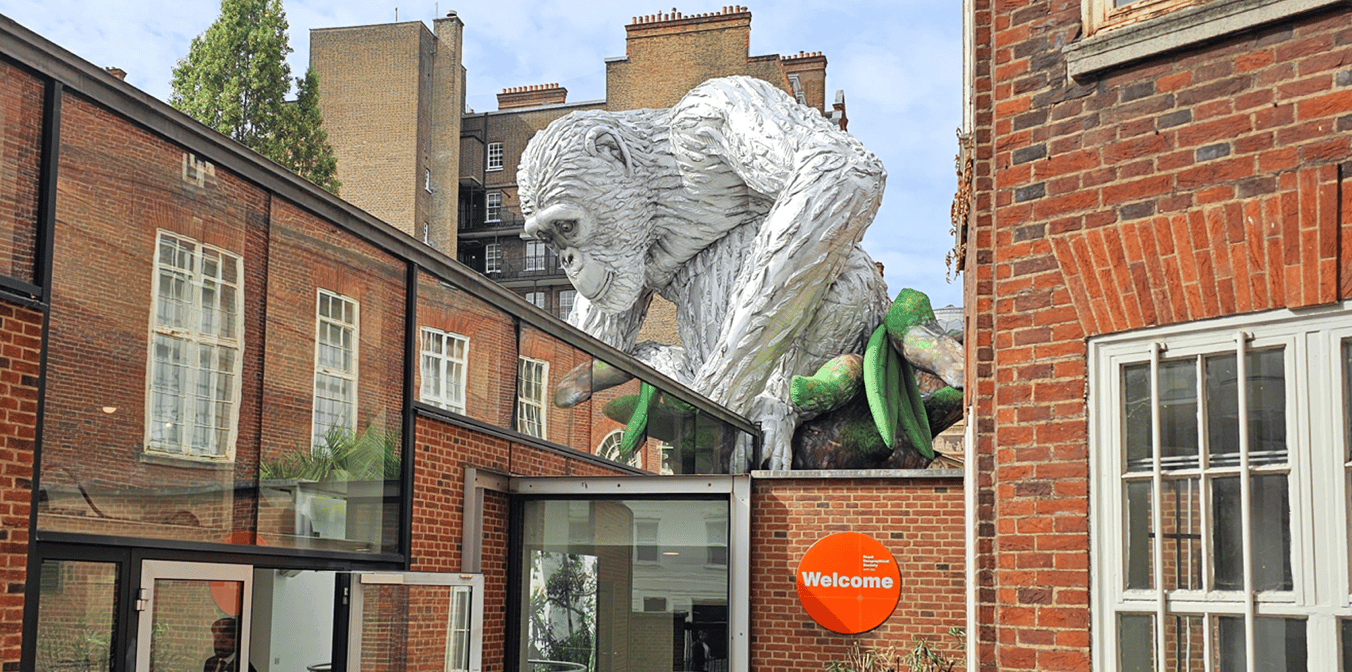
This isn’t just art for art’s sake. Roet’s work repeatedly stresses that great apes are “umbrella species”: protect them, protect their forest ecosystems. The installation draws on scientific collaborations, conservation partners and materials with environmental impact in mind. Even the hoarding around the base is made from recycled plastic bottles, with plans to repurpose into board shorts—and the sales of those raise funds for waterway cleanup in Bali via Sungai Watch.
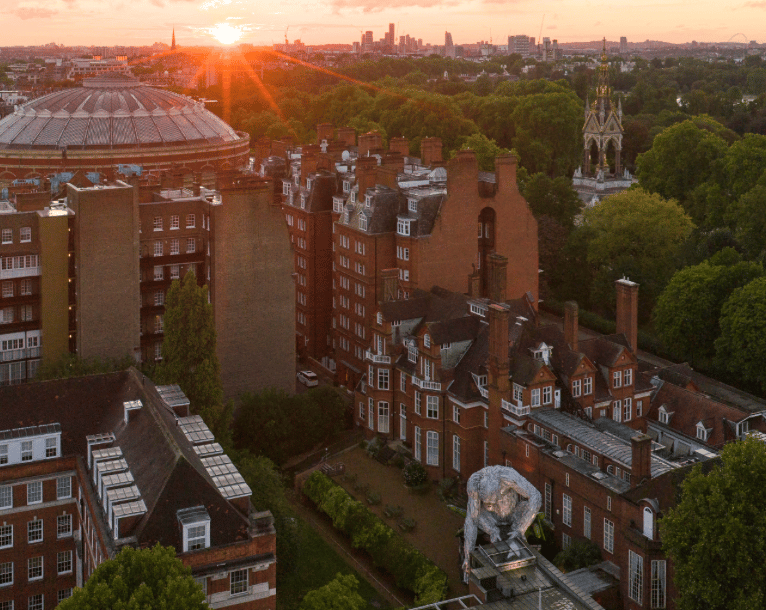
Surrounding buildings for scale
Inside the pavilion, there is a photography exhibition of the Great Ape in its presence in other countries—and a schedule of free talks and forums about design, science, sustainability, habitat loss and activism.

For visitors, the juxtaposition of the giant inflatable with real stories and data about biodiversity loss makes the experience both poetic and urgent. One walks out not just impressed, but unsettled, prompted to think.
Roet’s message is clear: the grandeur of the ape is a mirror to nature—its vulnerability, its endangered status. When you see its arm stretching out, when you view the glassy fabric panels shimmering in light, there is a tension between admiration and loss. It is art that asks: what costs have we agreed to pay for beauty?
Travel spotlight: 3 Under the Radar tips for Nice, France
Chex Acchiardo
Try Chez Acchiardo, a family-run bistro in the Old Town (Vieux Nice) serving socca (a chickpea pancake), croustillant de tourte (local savory pies), and pissaladière with anchovies. It’s the sort of place where locals linger over cassis and espresso.
Musée Masséna
Visit the Musée Masséna. It’s beautifully restored, located between promenade and hills. The period rooms, gardens, and permanent collections tell Nice’s story from monarchy to belle époque to modernity.

Musée Masséna
On Tuesday and Friday mornings, the Cours Saleya Flower & Artisan Market turns over a corner of Old Town into a riot of color, scent, spices and vintage wares—buy local olive oil or lavender sachets to bring that Mediterranean back home.

Cours Saleya Flower & Artisan Market
Thank you for reading! Au Revoir.
How would you rate todays edition of the newsletter? |