- The Culture Vulture
- Posts
- Modern British Duel: Restaurant Story vs. Fallow
Modern British Duel: Restaurant Story vs. Fallow
This issue: Modern British Duel, Gagosian Gears up, Wildlife Photographers of the Year revealed and Montenagro's hidden stories.

Shakira Taylor
October 15, 2025
In partnership with

Hey Culture Clubbies!
This week we’re heading straight into the heart of London’s Modern British movement: where sustainability, storytelling, and technical finesse define a culinary generation. We’re comparing two restaurants that exemplify the scene’s range: Tom Sellers’ Restaurant Story, a Michelin-starred temple of narrative-driven haute dining, and Fallow, the sustainability-forward newcomer. Let’s dig in.
In under 10 minutes we’ll cover:
Modern British Duel: Restaurant Story vs. Fallow
Christopher Wool takes over the Gagosian
Winners of Wildlife Photographers of the year 2025 revealed
Montenegro: Adriatic Charm Beyond the Crowds
Let’s get started.
Modern British Duel: Restaurant Story vs. Fallow
London’s fine dining scene has long thrived on personality, but nowhere is that more pronounced than in the world of Modern British cuisine, a movement obsessed with origin, narrative, and craft. In one corner sits Restaurant Story, founded by chef Tom Sellers in 2013 on the quiet edges of Tower Bridge. In the other is Fallow, spearheaded by chefs Will Murray and Jack Croft, whose seed-to-root philosophy has turned sustainability into style without losing the fun. Both embody the best of a post-Noma generation: local produce, circular thinking, and food that makes you feel something.
Yet their expressions of Britishness couldn’t be more distinct: Story is cerebral, intimate, and almost literary; Fallow is boisterous, democratic, and buzzing with life.
Buying Cannabis Online Is Now Legal, And Incredibly Convenient

For years, buying cannabis meant taking a trip to a dispensary, dealing with long lines, limited selection, and inconsistent pricing. But thanks to changing laws and innovative online retailers, buying high-quality THC products is now 100% federally legal—and more convenient than ever.
And when it comes to quality and reliability, Mood is leading the way…
Because they’ve completely flipped the script on cannabis shopping. Instead of memorizing hundreds of confusing strain names – like “Gorilla Glue” and "Purple Monkey Breath" – you simply choose how you want to feel: Creative, Social, Focused, Relaxed, Happy, Aroused, and more.
Each gummy is formulated with the perfect blend of Delta-9 THC and botanicals to deliver the perfect mood.
Want a great night’s sleep? Try the Sleepytime gummies. Need laser focus Mind Magic gummies have you covered. Hotter sex? Try the Sexual Euphoria gummies.
It's cannabis shopping that actually makes sense for “normal” people.
When Tom Sellers launched Restaurant Story, he famously told diners to “leave room for imagination.” Nearly a decade later, that mantra still defines every corner of his twelve-table dining room.
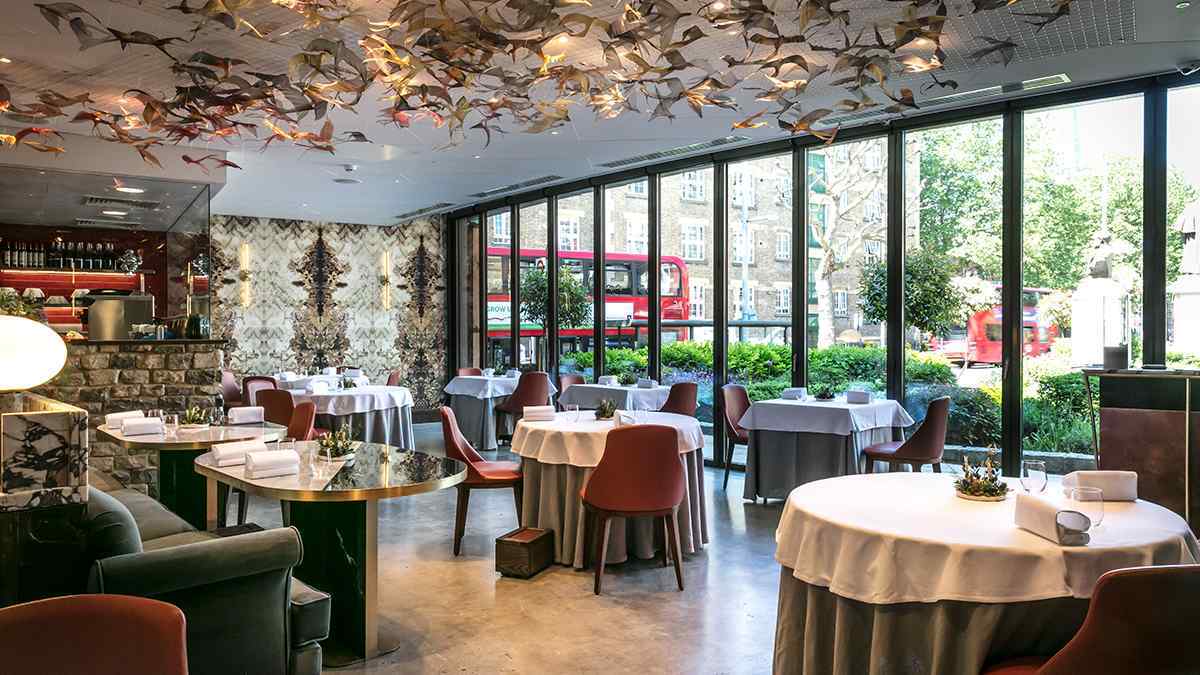
The restaurant, housed in a minimalist glass cube on Tooley Street, feels more like an art installation than a traditional eatery. Clean lines, blond wood, and curated lighting make the table itself the stage. The kitchen, entirely open, hums like a studio in motion—part theatre, part laboratory. There’s almost monastic intensity here; every movement choreographed, every dish introduced with a line of quiet poetry.
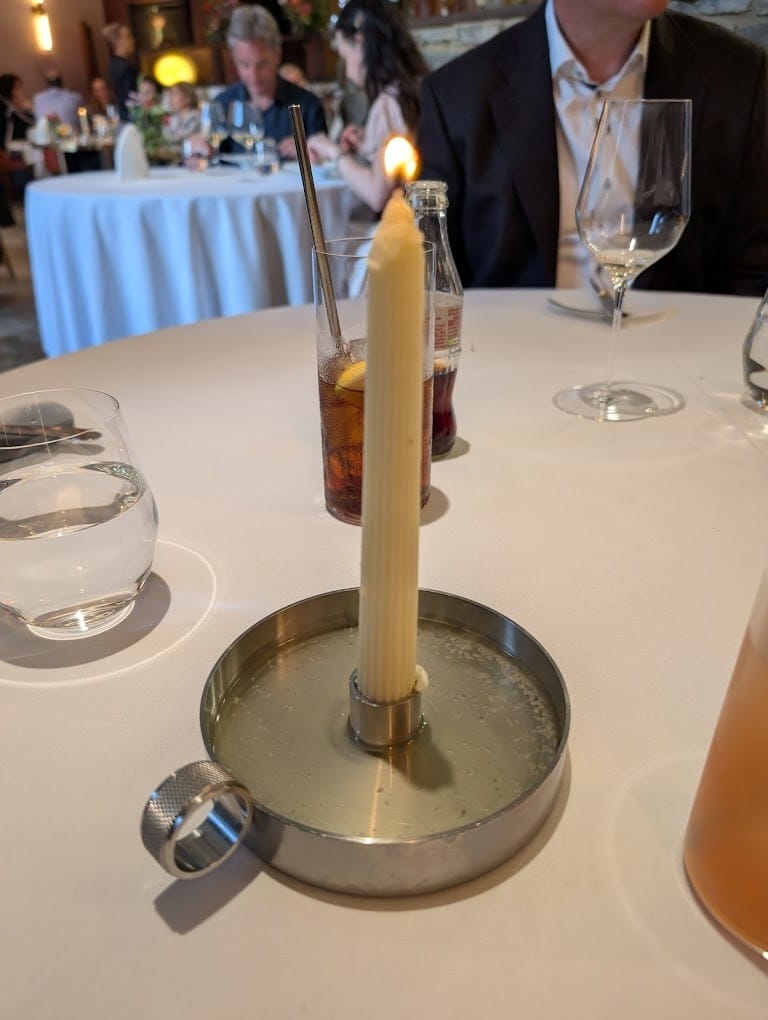
Beef Dripping Candle
The tasting menu, typically around £225 for 10 courses, unfolds like a memoir of Sellers’ memories and philosophies. The opening “Beef and Dripping Candle”, one of London’s most photographed dishes, sets the tone. A candle formed from rendered beef fat slowly melts into a pool, ready to be dipped with fresh bread; nostalgia for Sunday pub gravy dressed in haute couture.
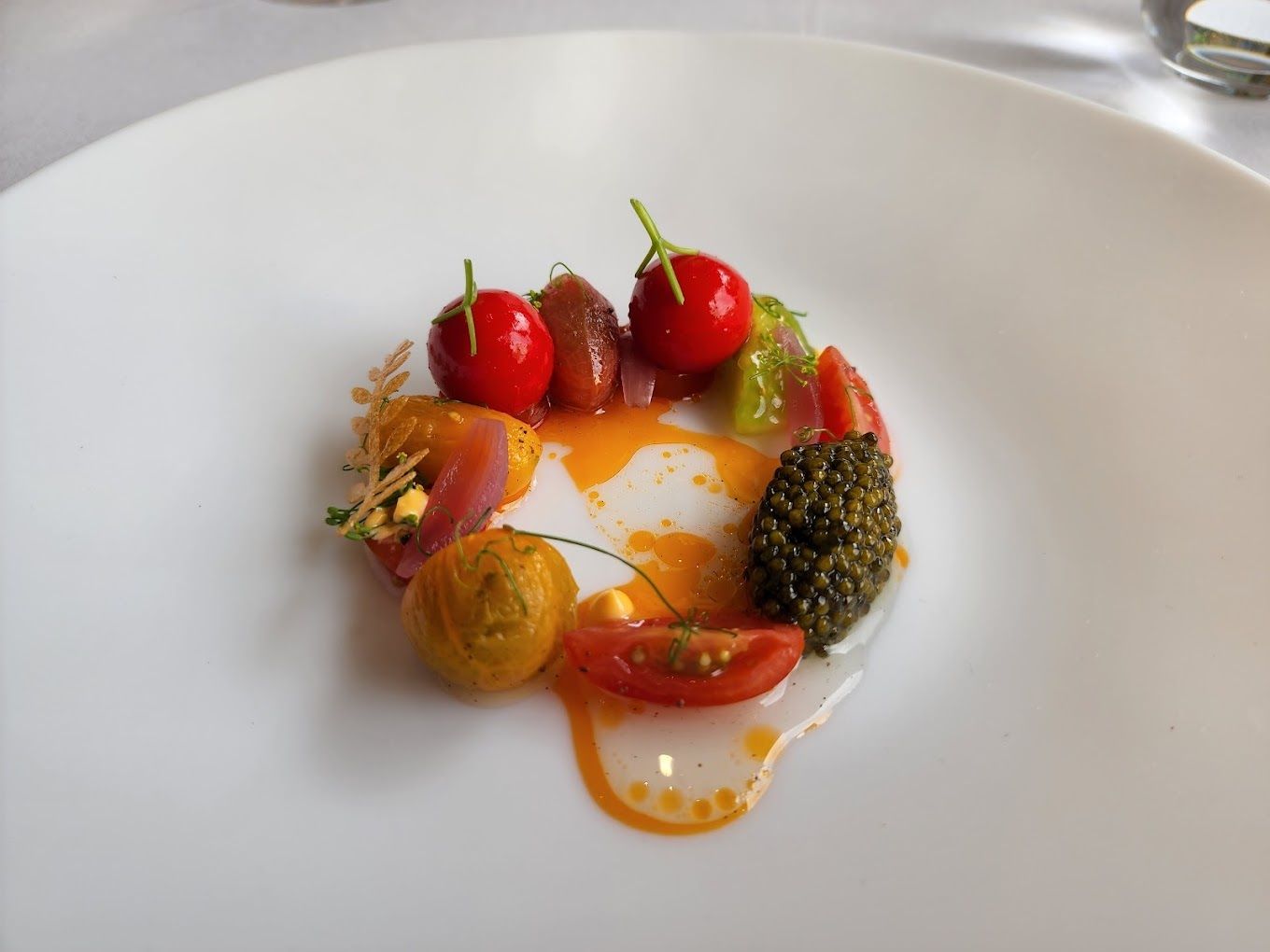
Followed by “Scallop with Jerusalem Artichoke and Truffle,” the food oscillates between reference and reinvention, every element meticulously analysed. Later, “Rabbit Sandwich,” neatly pressed and sweet from pickled carrots, reminds you that despite the conceptual framework, Sellers is fundamentally a flavour maestro.
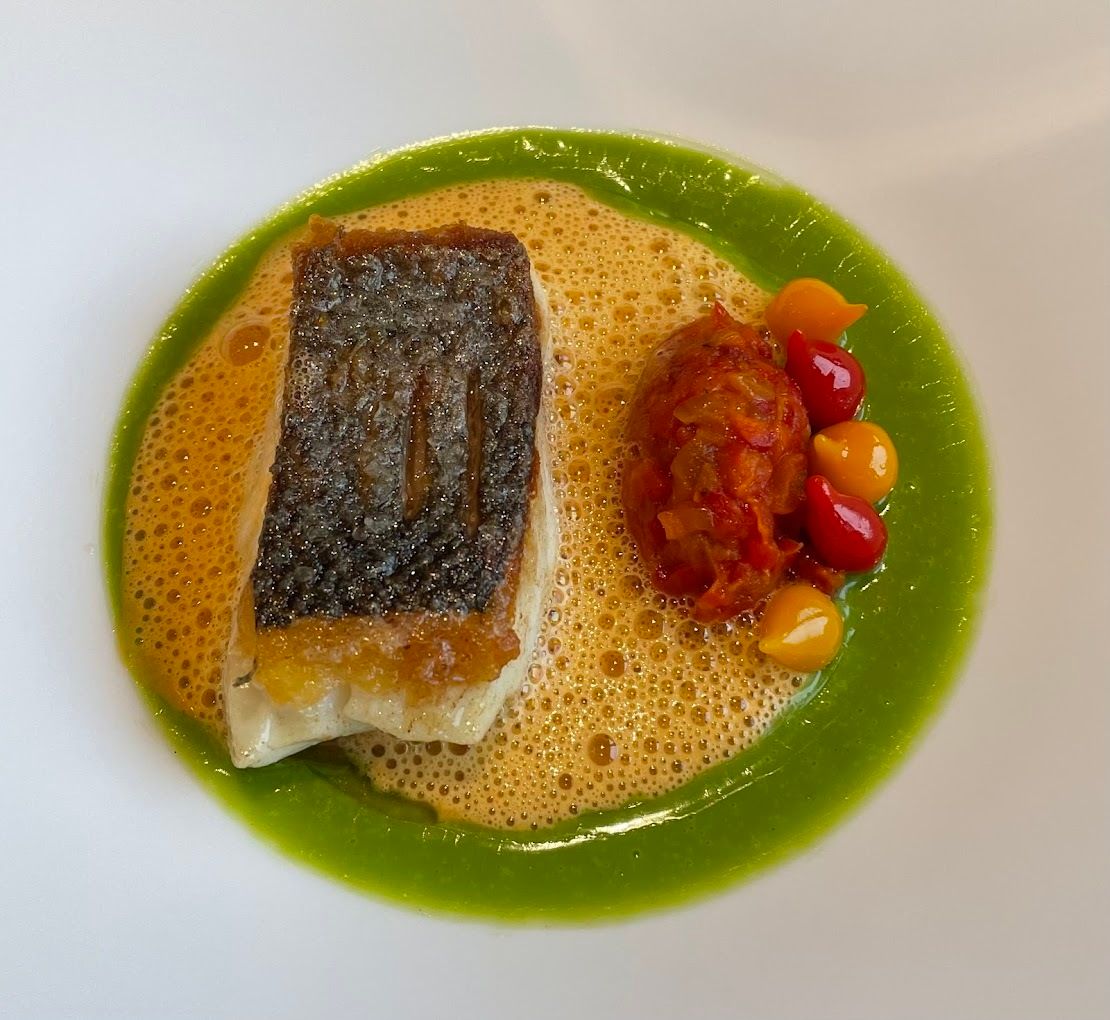
Wine pairings traverse the New World and obscure biodynamic producers, elevating each sequence rather than overshadowing it. Service glides with precision, polished but rarely sterile, staff effortlessly guiding through the story’s chapters. Sellers himself is often visible at the pass, grounding the experience with quiet control.
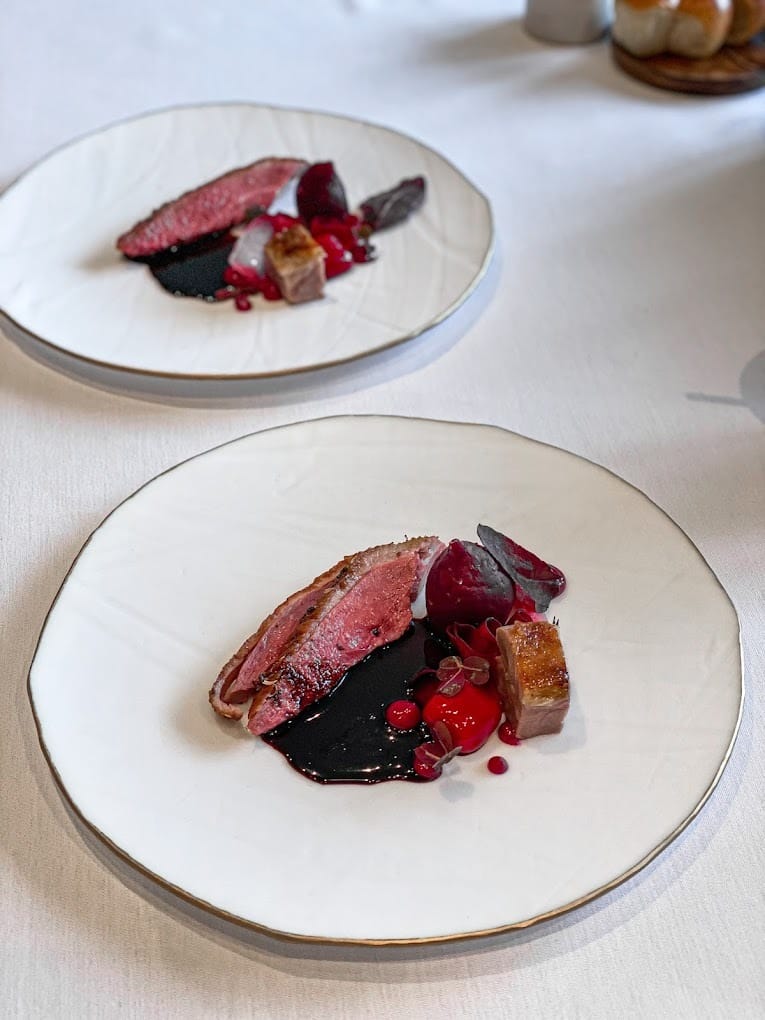
Story’s ethos has evolved too. After its 2022 redesign and the retention of two Michelin stars, the cooking feels freer and more personal. Dishes nod to English gardens and countryside sourcing, using Kentish vegetables, game, and aged dairy from British farms. The result is an experience that feels like a whispered conversation between past and present—a meditation on memory told through ingredients. Diners leave reflective, a little dazed, and maybe lighter in spirit (and wallet) but richer in curiosity.
Fallow: the future served loudly
Step into Fallow in St James’s Market and the contrast is immediate. The room hums with energy: neon signage, a central open kitchen crackling with flame, and an upbeat soundtrack replace Story’s quiet reverence.
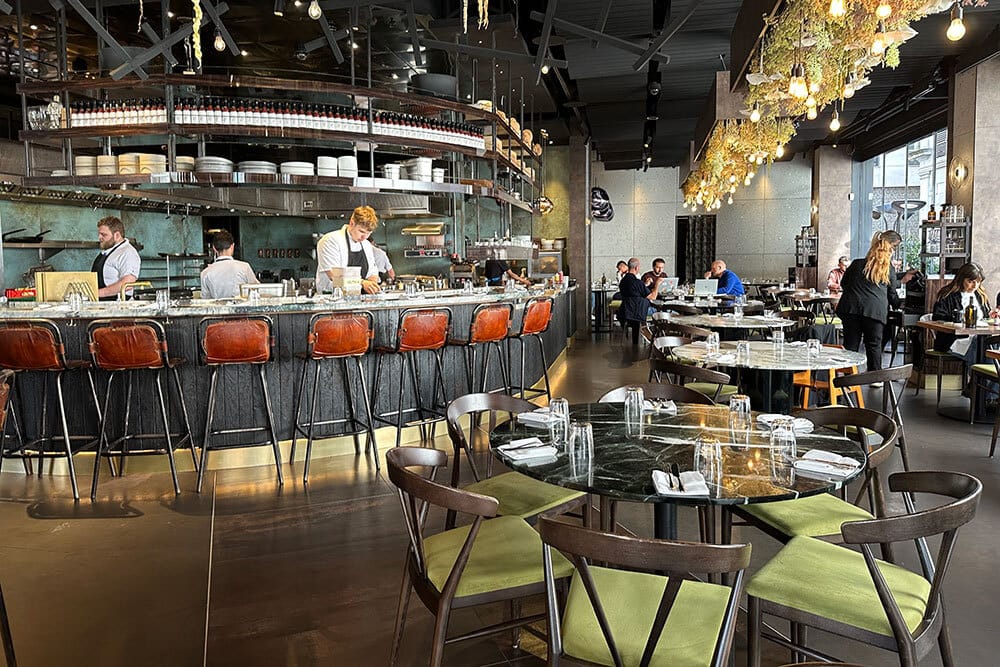
Fallow was born from a pop-up born of necessity: after leaving Dinner by Heston, chefs Murray and Croft, joined by entrepreneur James Robson, sought to challenge how sustainability could feel desirable, not dutiful. They built an ethos where waste becomes inspiration. Their menu transforms by-products: cod heads, dairy scraps, vegetable peels - into theatre and deliciousness.
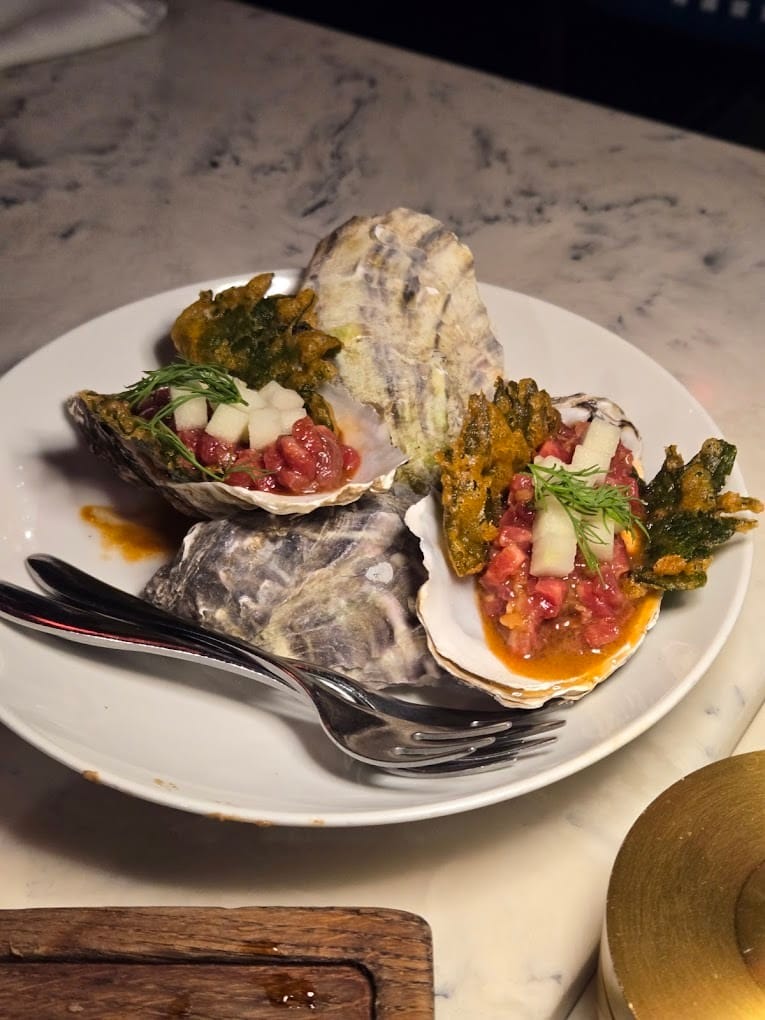
The space itself signals inclusivity. Industrial ceiling beams meet blond woods and soft banquettes, while service operates with laughter instead of whisper. The chefs often serve dishes tableside, proudly talking about waste-free methods. The crowd ranges from suited business diners to food-world pilgrims chasing their latest cult obsession.
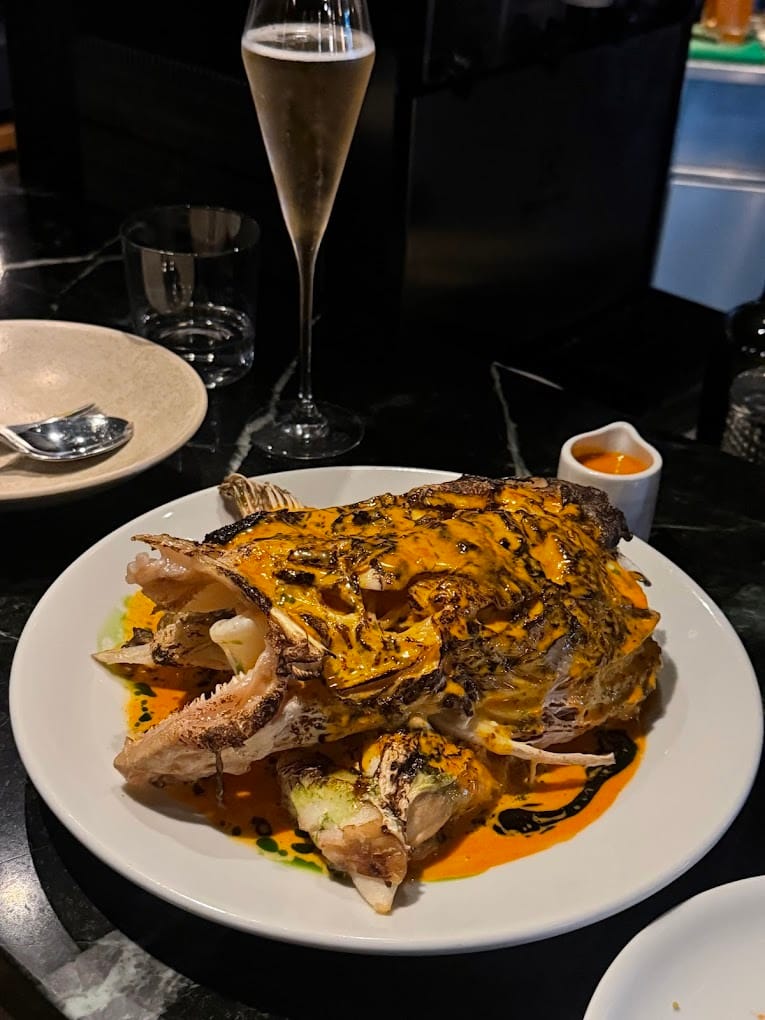
Cods Head
Signature dishes headline every sustainability conversation. The “Corn Ribs” = grilled corn quarters dusted with salt and lime, are a hallmark of the restaurant, playful yet precise. Their “Dairy Cow Burger,” made from retired dairy cows often dismissed by the industry, has become a modern London icon: juicy, funkier than Wagyu, served with melted cheese and cleverly balanced pickles. Even the Cod’s head - charred, lacquered in sweet and spicy sauce - embodies their message that flavour and ethics coexist. Cooked so prefectly, it leaves you licking the plate clean. Many dishes cost £10–£25, keeping it accessible despite its Mayfair postcode.
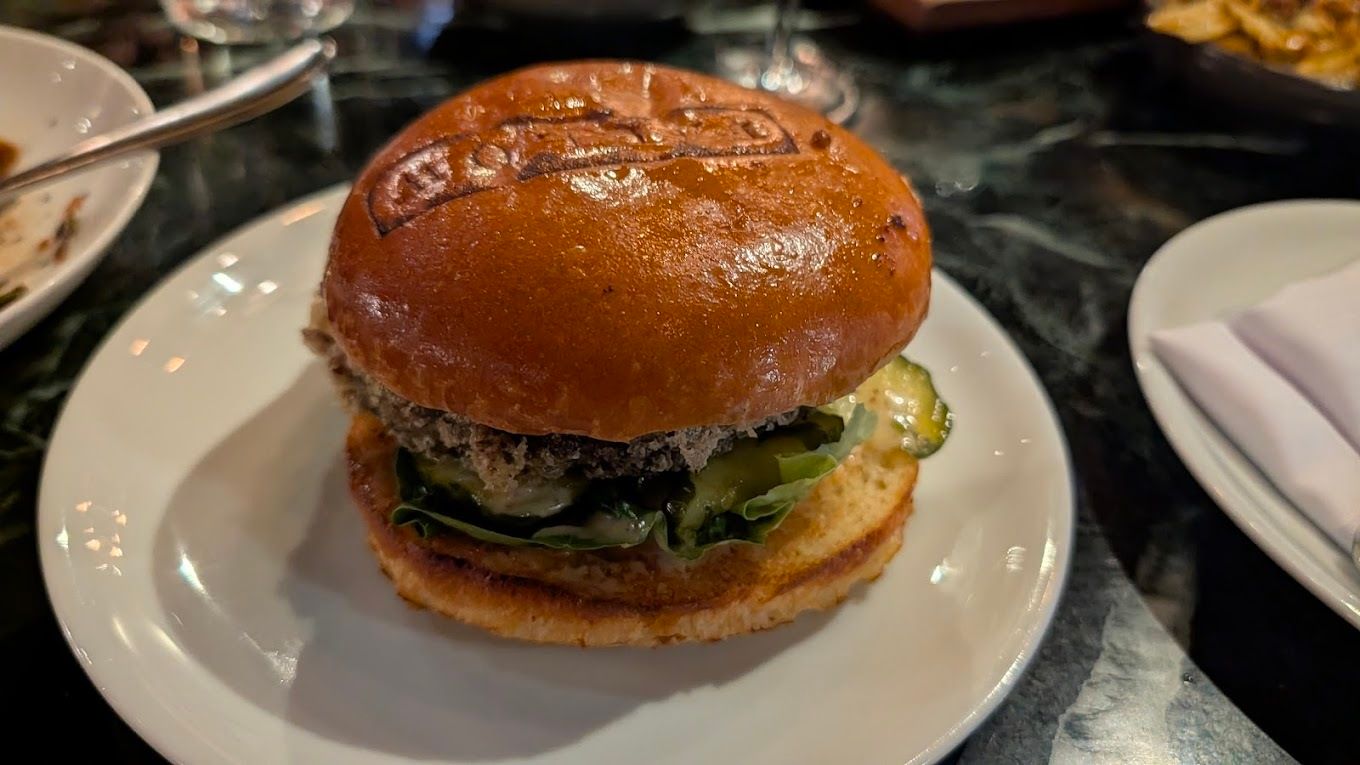
Dairy Cow Burger
Seasonality dictates the narrative. A recent menu heroed mushrooms grown from coffee grounds, and desserts like the “Chelsea tart” merge cracked cereal crusts with inventive ferments. The bar program includes zero-waste cocktails, often infusing peels or leftover herbs - every part of produce utilized to maximum effect.
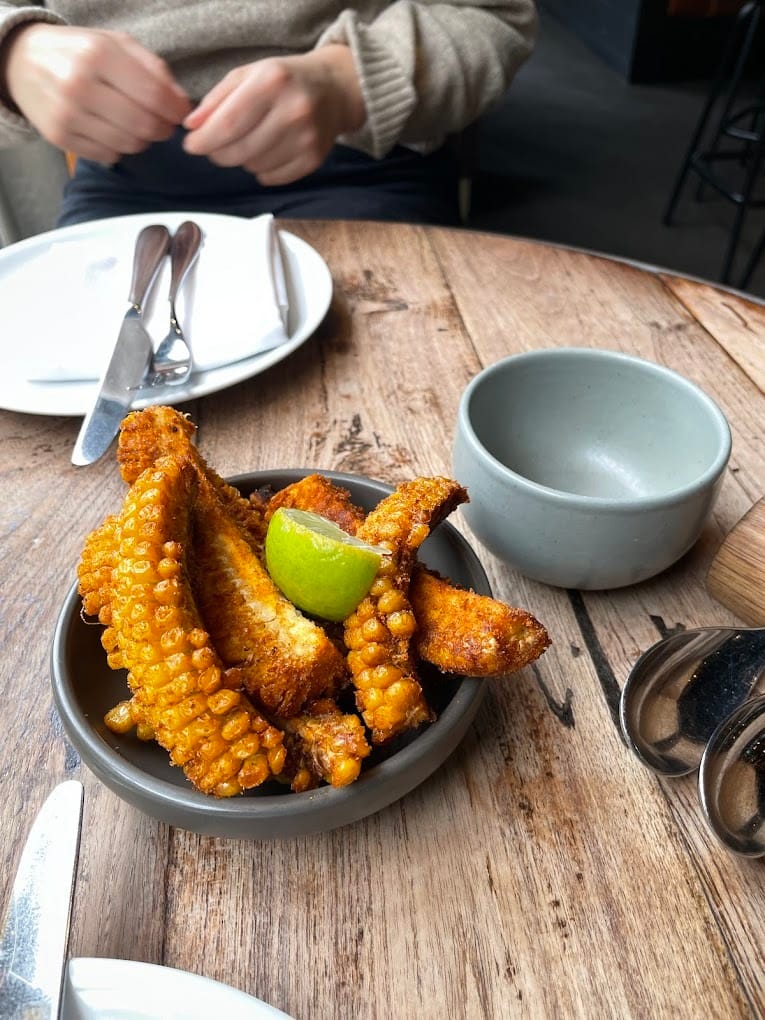
Corn Ribs
Service is loose-limbed and joyful. There’s knowledge behind every answer, but not an ounce of stiffness. It’s the kind of fine dining that doesn’t feel fine dining—it feels alive, communal, and defiantly future-facing. Critics note that Murray and Croft have managed to make ecological cooking craveable, something rarely achieved even by globally celebrated peers.
The Verdict
Comparing Restaurant Story and Fallow is like comparing a sonnet to a folk song. Story is about control, introspection, and discipline; its pleasure lies in precision and the revelation that every theme connects. Fallow, by contrast, is collective storytelling through chaos—creativity born not from nostalgia but from necessity. The chefs’ background in cutting down waste during the pandemic shaped an ethos where imperfection drives invention. Their message is urgent but never heavy-handed: eat happily, but think along the way.
If you crave quiet revelation, go to Restaurant Story. But if your appetite aligns with creative chaos, pulse-racing energy, and the thrill of discovery with every course, Fallow is your champion.
Christopher Wool’s Fifty Works Take Over Gagosian London
Step into Gagosian Grosvenor Hill this autumn and you are met with a sense of sheer scale. From October 13 to December 19, 2025, the gallery transforms into a sprawling laboratory of line, gesture, and surface, as Christopher Wool unveils more than fifty recent works. It marks his most expansive presentation in London in years, spanning new paintings, works on paper, and sculptures. For a figure whose art thrives on tension, between accident and intention, control and release, this show feels like a deep breath and an experiment in living abstraction. Admission is free, and with five rooms humming with the physicality of making, the air feels charged with new energy.
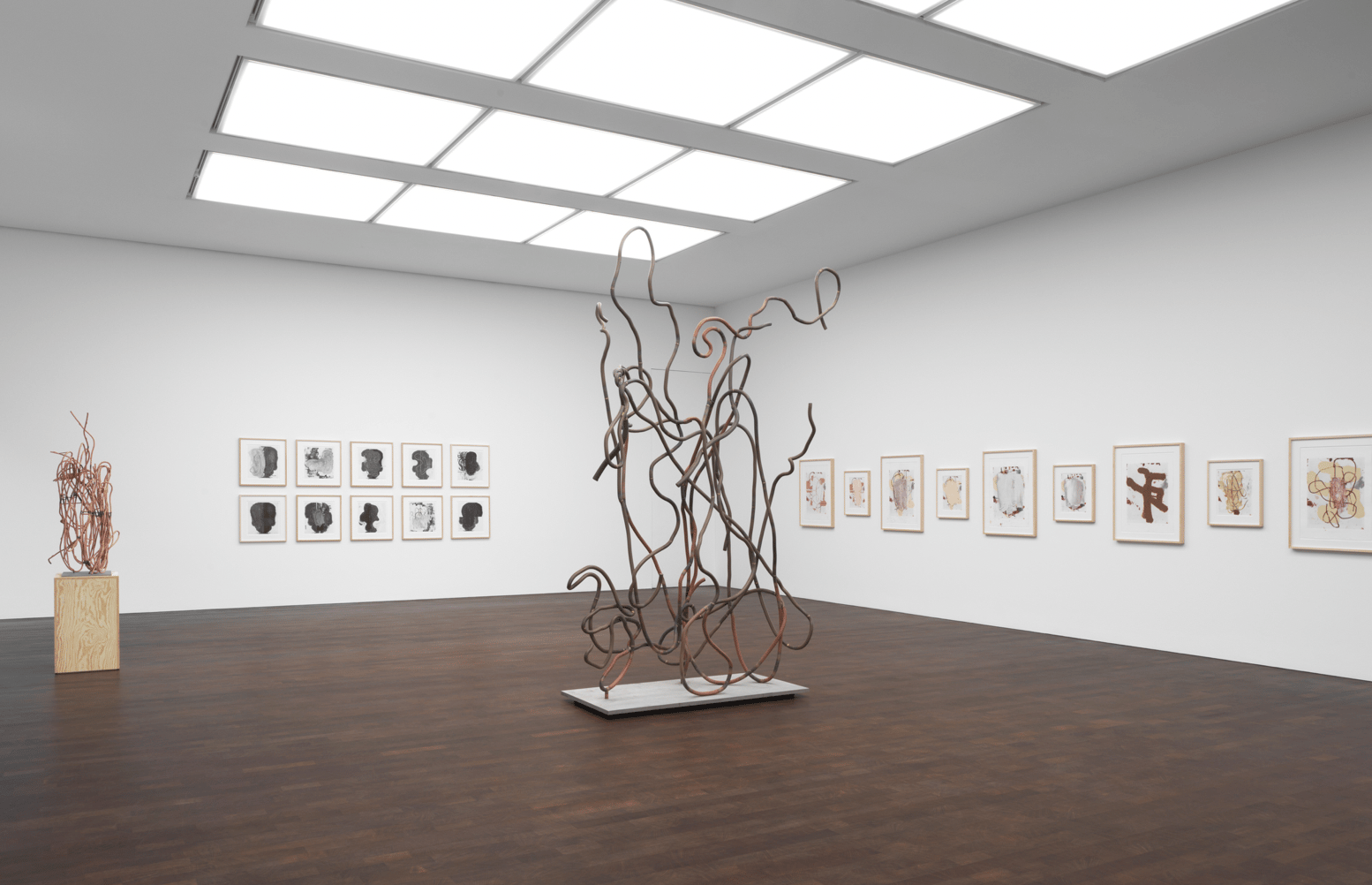
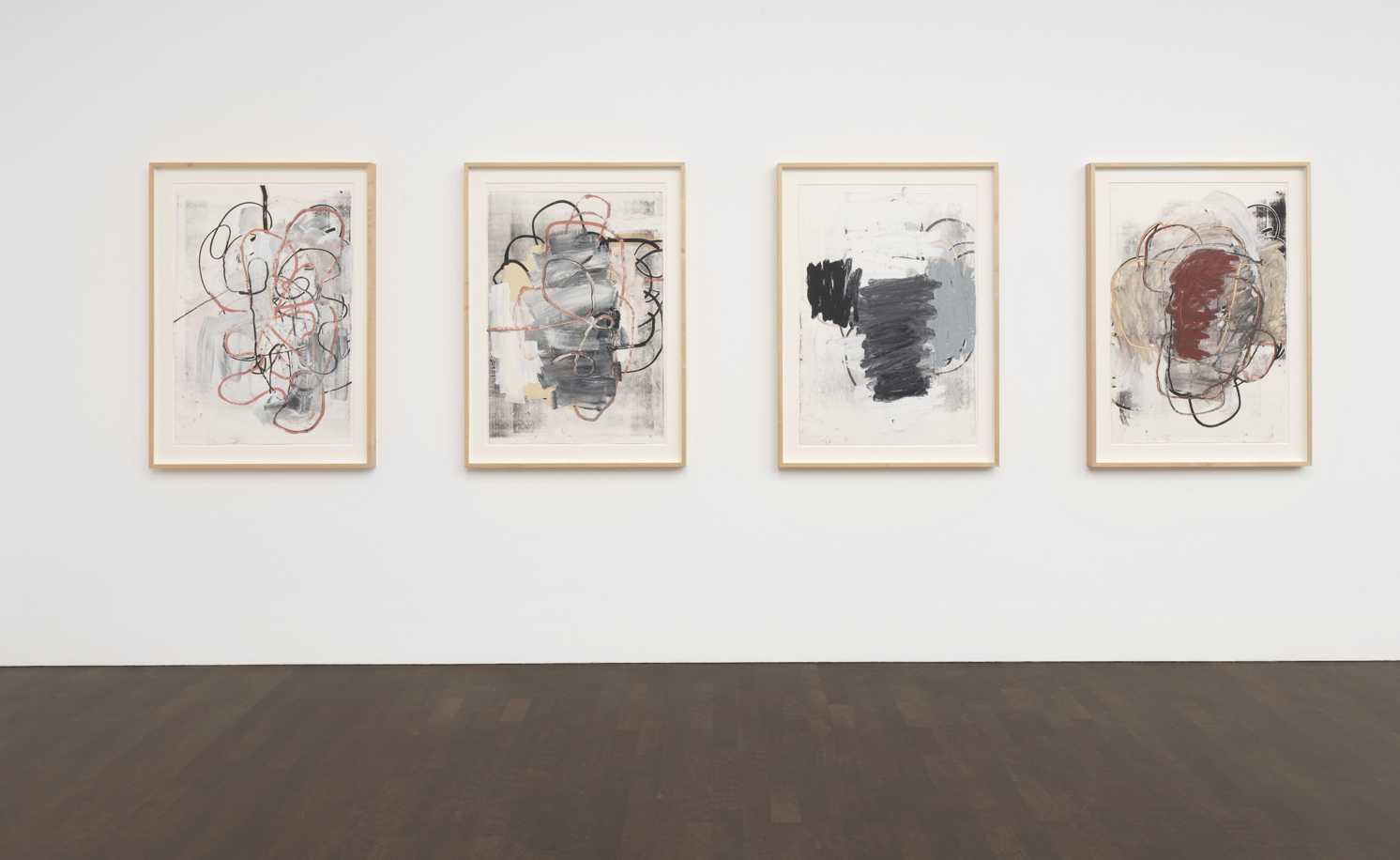
Wool has long been known for his stark black-and-white typographic canvases, those iconic text-based images that sliced through the eighties art world with blunt poetry. Here, however, a gentler spectrum appears. Soft pigments and pastel hues replace the old rigidity of black letters. Energetic marks zigzag across layered surfaces that hint at internal struggle while pointing to renewal. The viewer’s first impression oscillates between aggression and calm. Each silkscreen, overpainting, and collage carries the residue of process—what Wool has called a kind of visual thinking in motion.
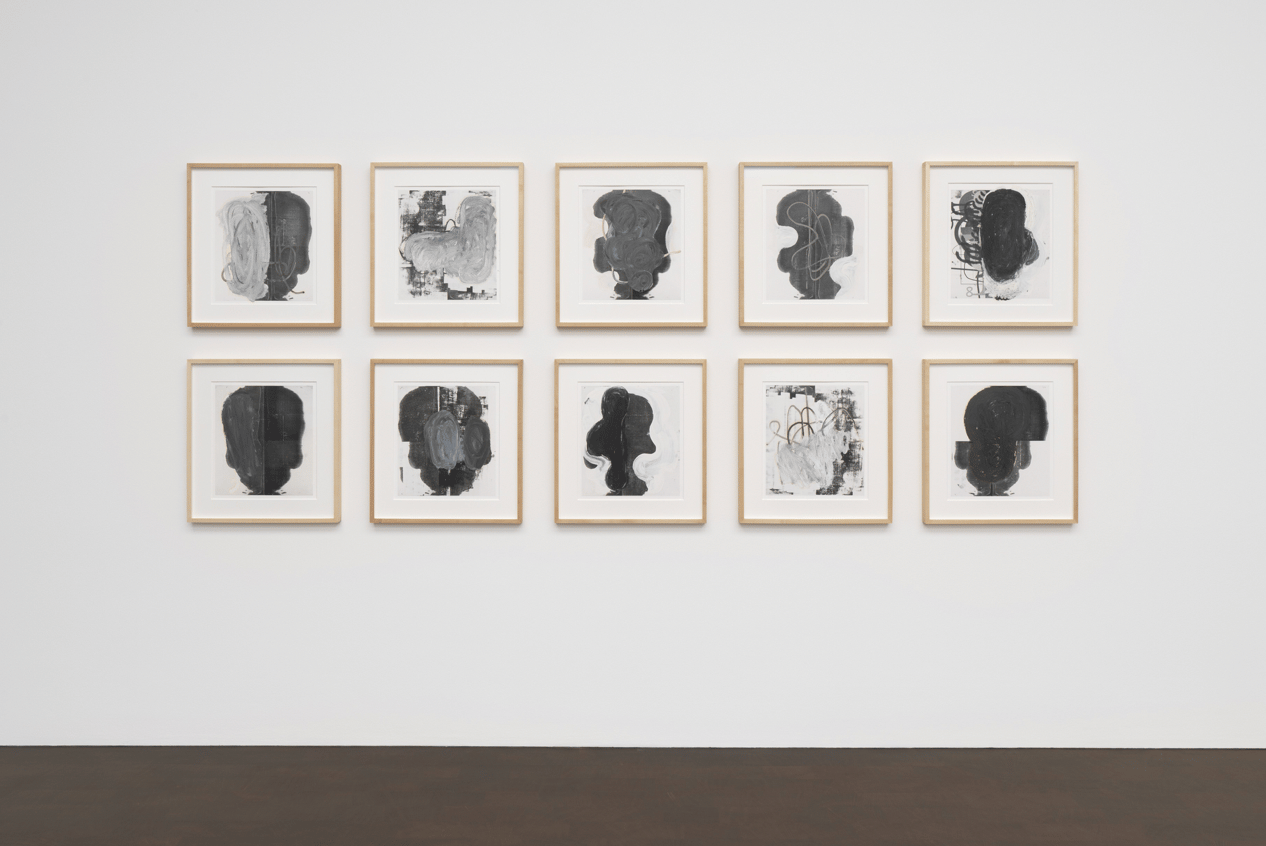
That sense of iteration is central to the exhibition’s structure. The works are not isolated statements but stages in a continuum, mixing digital modification and hand-done revisions that blur the line between painter and editor. Some canvases appear scraped back, as if Wool were searching for meaning in erasure; others pulse with layered colour, momentary breaks of light through complex strata. It feels like a conversation between mediums, one where painting, printmaking, and photography converse fluently. As FAD Magazine observed in its early review, the show reveals the “extraordinary breadth of his artistic strategies,” and standing in the room, that assessment feels entirely
right.
Equally striking are the sculptures: four intimate forms and two large-scale pieces cast in copper-plated steel and bronze. These originated from Wool’s home in Texas, where he collects fragments of fencing and hay-baling wire. The resulting works are rugged yet meticulous. They catch the light like relics of labor, transformed into structural poetry. The bronze surfaces glint with the memory of the ranch yard, translating found material into tangible reflection.
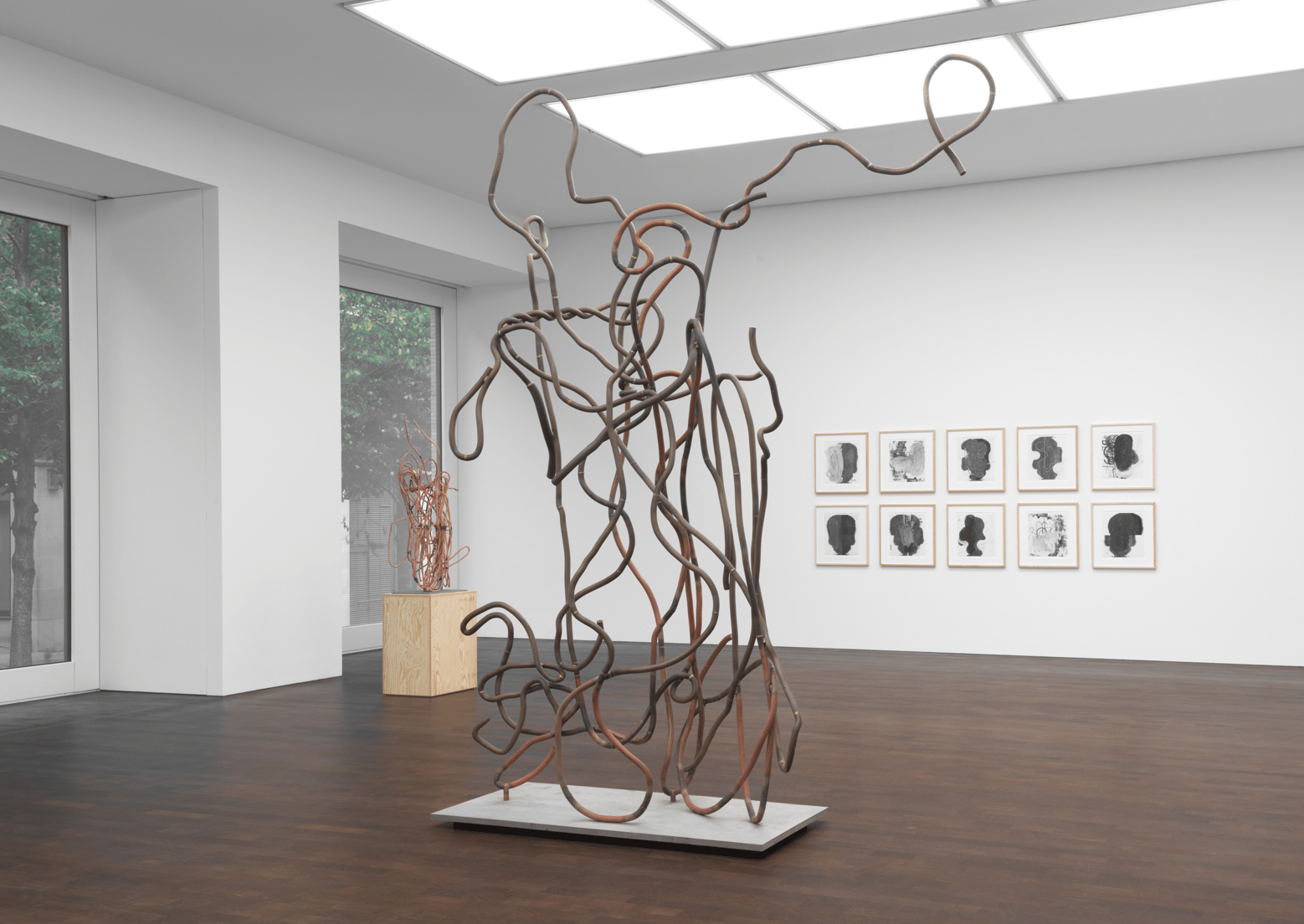
Two series of etchings add yet another layer, particularly the Defenestration Suite created to accompany Richard Hell’s poetry. Here words and images weave together again, echoing the artist’s early word paintings but with a newfound subtlety. Letterforms dissolve into ghostly shapes, revealing Wool’s enduring fascination with language as form. The connection between the literary and the visual feels deliberate and personal, a renewal of the dialogue that has always run through his practice.
There is something moving about watching an artist known for restraint rediscover the brush’s lyricism. Instead of monochrome austerity, the palette hums with pinks, mint greens, and places of soft wash that read almost painterly romantic. You sense that Wool is no longer pushing against his own history, but expanding it. Whether you come curious about his evolution or drawn by the sheer rarity of seeing this volume of work together, Gagosian’s elegant Grosvenor Hill space offers the ideal setting for reflection. If abstraction can ever feel human, this is it.
Visitors can see the exhibition Tuesday through Saturday, from 10:00 to 18:00. Entry is free, and full details are available at [gagosian.com](https://gagosian.com/).
Business news as it should be.

Join 4M+ professionals who start their day with Morning Brew—the free newsletter that makes business news quick, clear, and actually enjoyable.
Each morning, it breaks down the biggest stories in business, tech, and finance with a touch of wit to keep things smart and interesting.
Ghost Town Visitor: Grand Title Winner
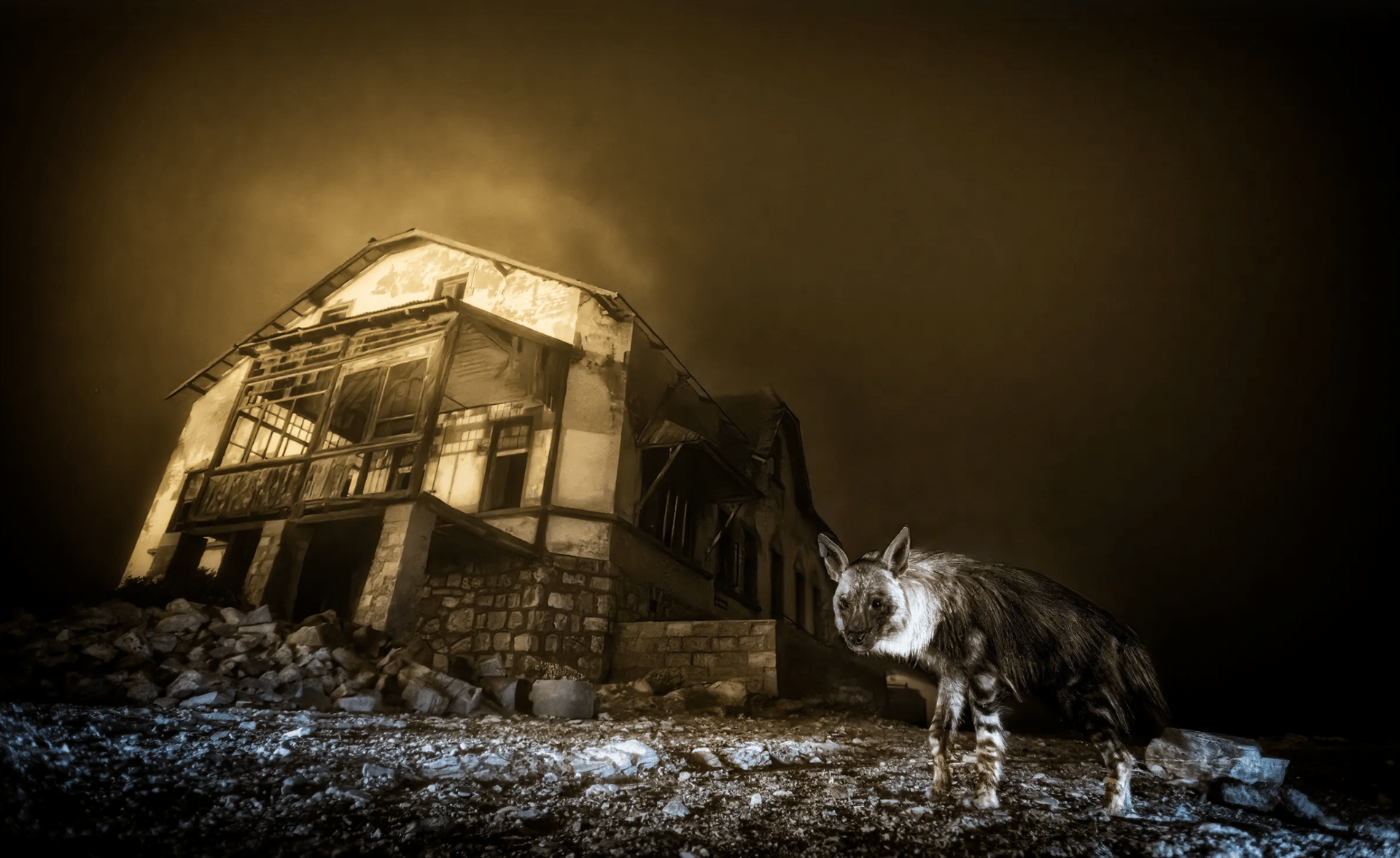
The Wildlife Photographer of the Year 2025 Grand Title has gone to an image that looks like the setting of a dream and a warning all at once. “Ghost Town Visitor”, captured by South African wildlife photographer Wim ban den Heever, depicts a lone brown hyena roaming the remains of an abandoned settlement: a silent encounter between nature and what humankind has left behind. It is the sort of photograph that stops you mid-scroll. There is no chase, no dramatic gesture, only stillness, but the story inside that stillness feels enormous.
Adult Grand Title Winner
The photograph’s creator watched and waited for hours in the cold, anticipating something that might never come. The result is cinematic: pale fur brushed with light against the dim geometry of empty buildings. The judges praised both its emotional depth and its technical balance. Every line and shadow recalibrates how we think about wilderness. This is not the predator we picture on prowling the savannahs of Africa. It is the hyena of our fragmented present, stepping across the afterlife of human construction.
Beyond its technical mastery, “Ghost Town Visitor” holds emotional resonance. There is loneliness in it, but also resilience. The hyena is not defeated by its surroundings; it redefines them through movement. The composition draws our eyes along its path as if inviting us to follow wherever it leads. In that invitation lies the photograph’s power. It does not accuse it observes, persuading us to reflect on the inheritance we are leaving behind in forgotten corners of the planet.
Some other winners of other categories are shown below:
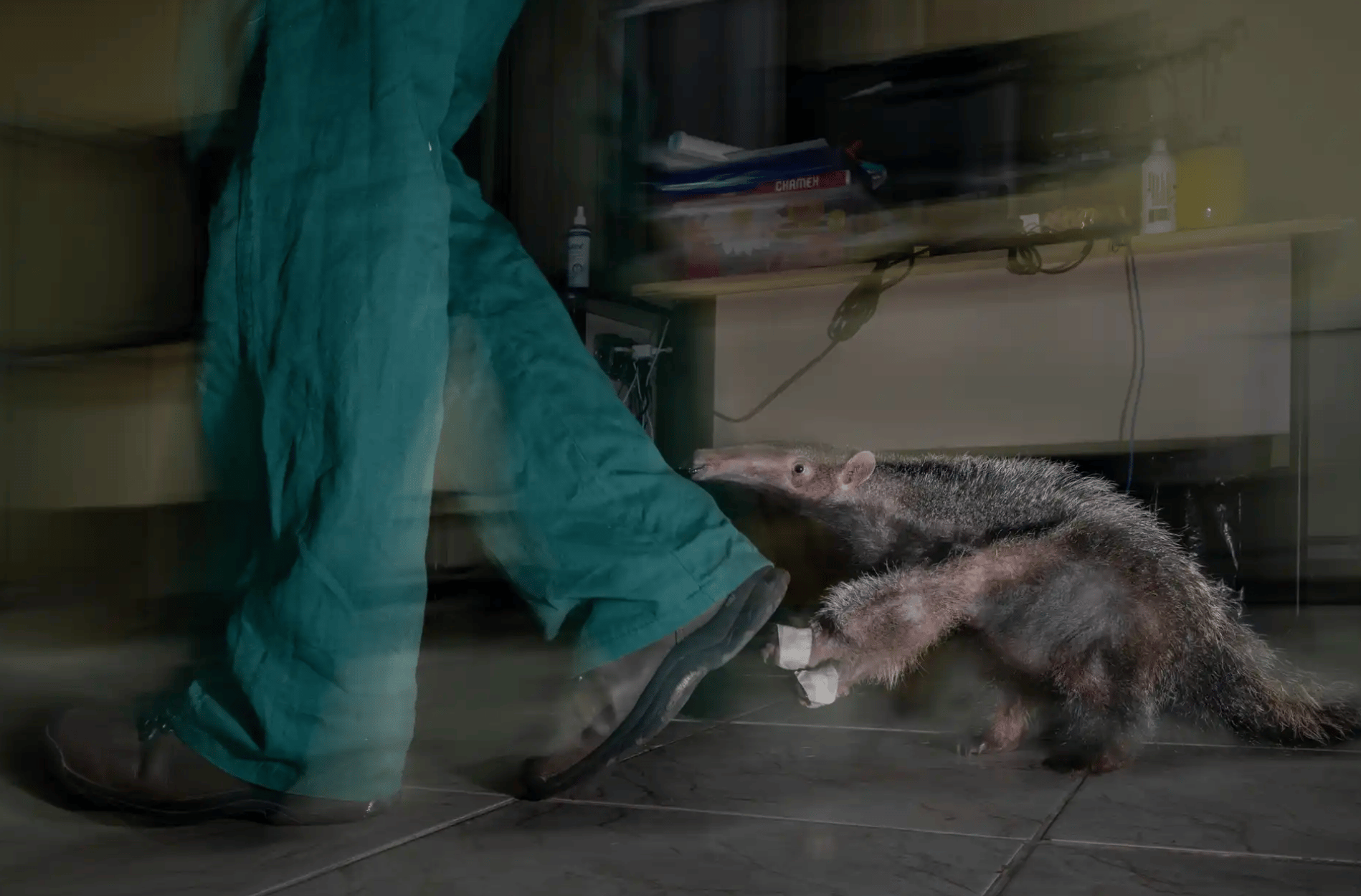
Impact Award Winner: Anteater
An orphaned giant anteater pup follows its caregiver after an evening feed at a rehabilitation centre in Belo Horizonte, Brazil. Faciole wanted to highlight the consequences of road collisions, a leading cause of the decline in giant anteater numbers in Brazil. This pup’s mother was killed by a vehicle, and the hope is that it will be released back into the wild after being encouraged to develop crucial survival skills by its caregiver.
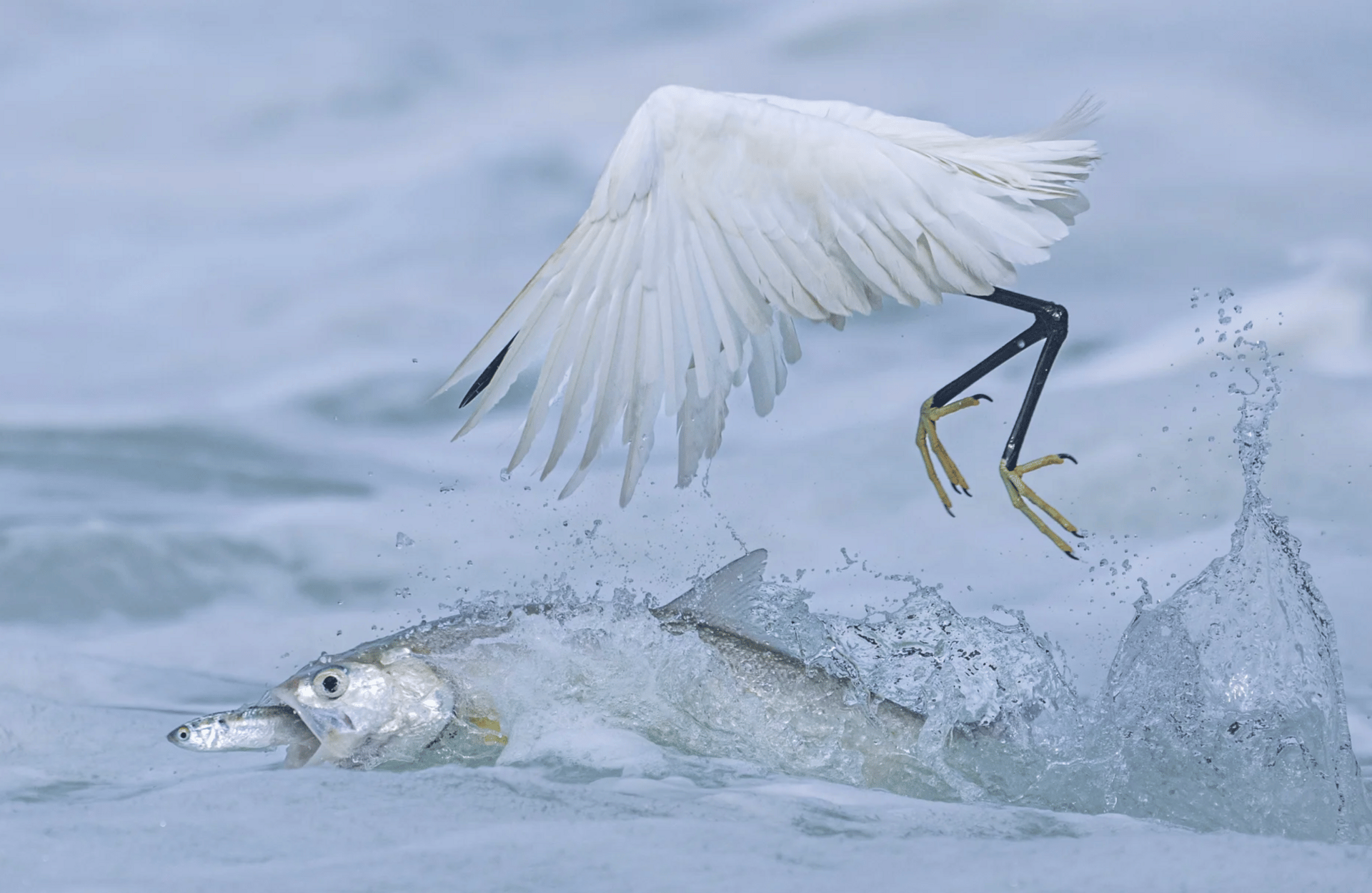
Winner of the Birds category: Synchronised Fishing
A ladyfish snatching its prey from right under an egret’s beak in Yundang Lake, Fujian province, China.
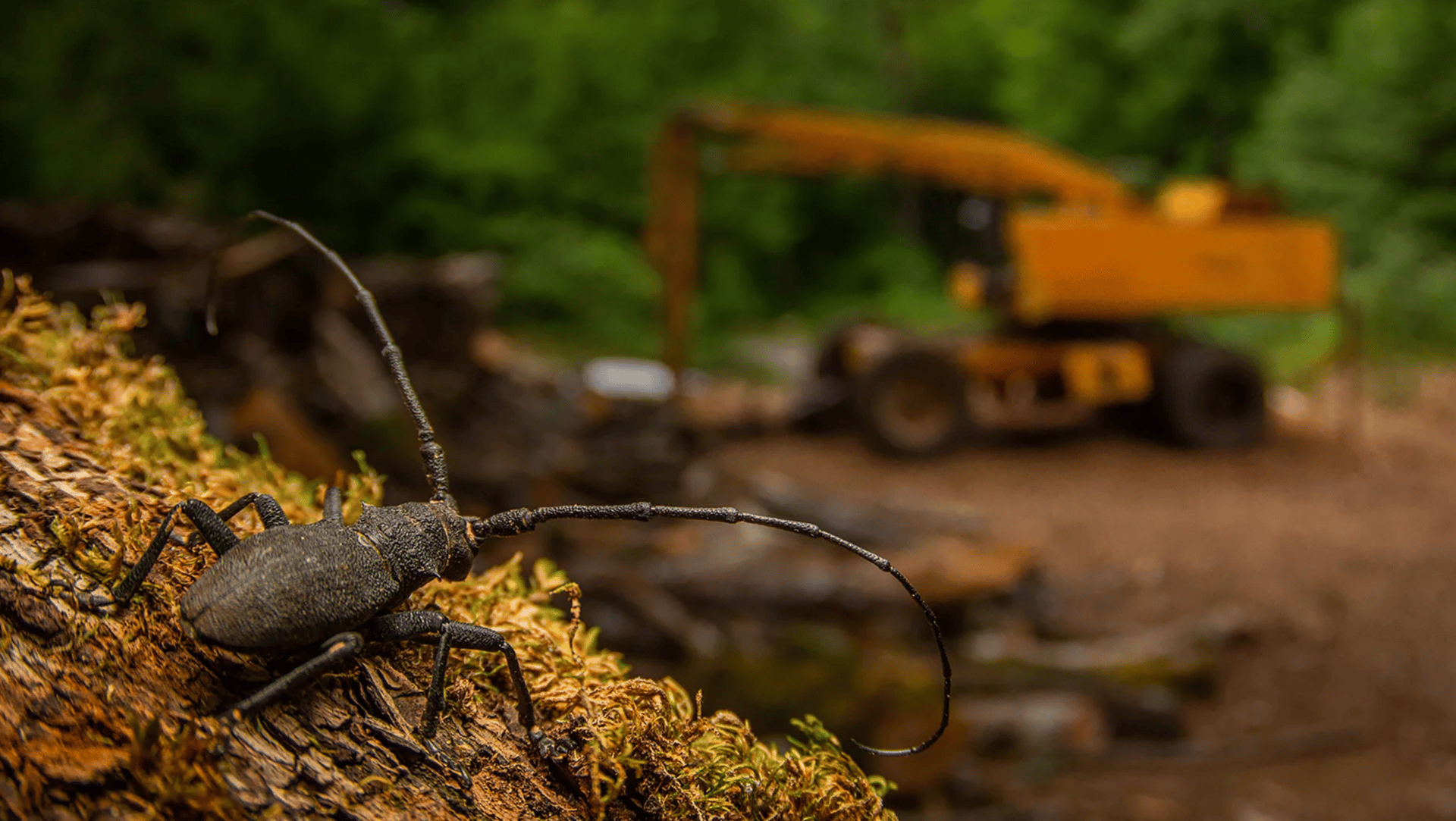
Winner of the 15-17 year old category: After the Destruction
A longhorn beetle in the Lepini mountains, Lazio, Italy. The photograph tells a poignant story of habitat loss.
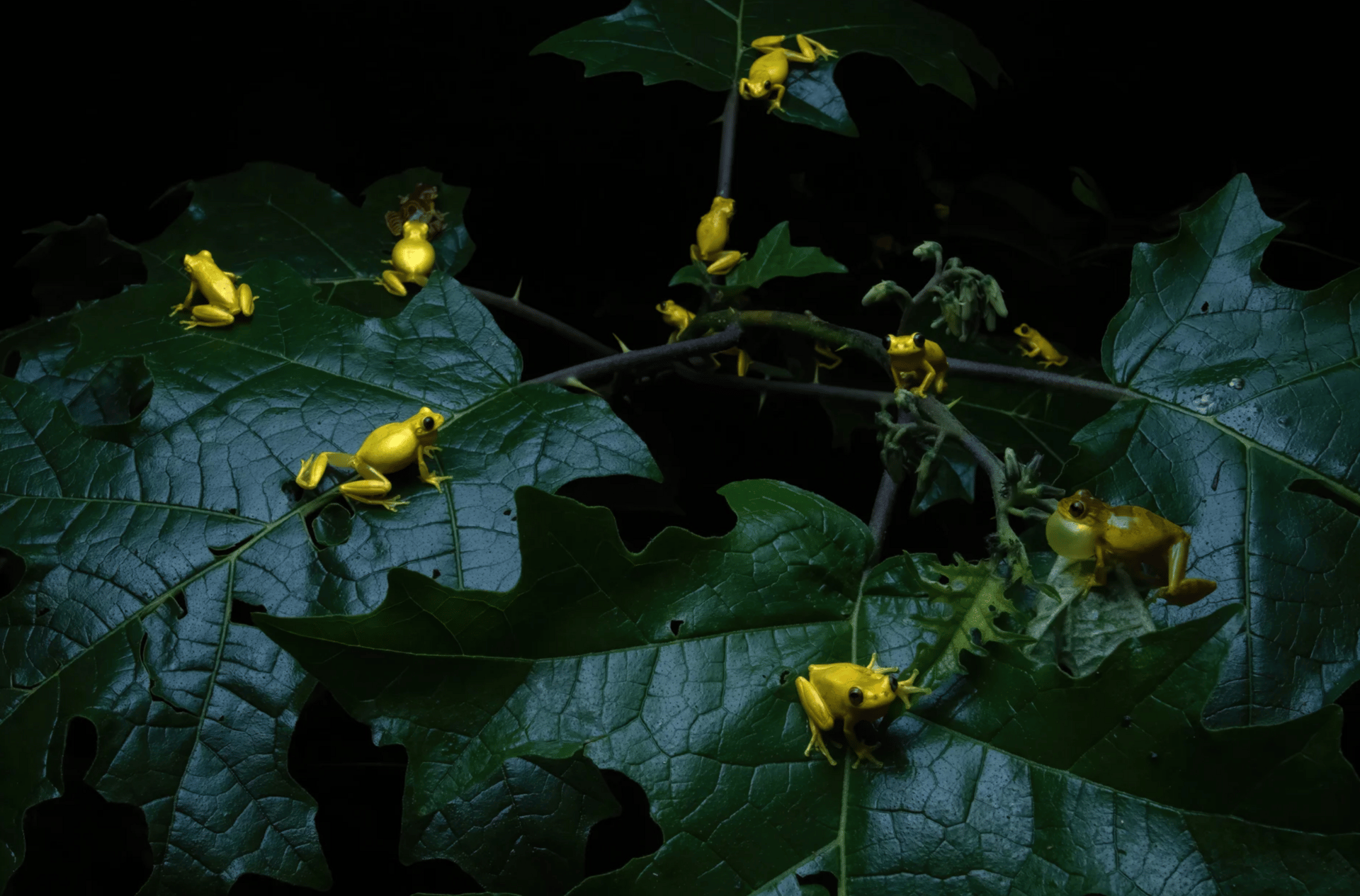
Winner of the Amphibeans and Reptile Category: Frolicking Frogs
A gathering of lesser tree frogs in a breeding event on Kaw Mountain, French Guiana.
Which Wildlife Photograph of the Year was your favourite?Please Vote Below |
Spotlight on Montenegro: Adriatic Charm Beyond the Crowds
Eat
Start in the medieval coastal town of Kotor, where the stone alleys lead to tucked-away konobas serving grilled octopus, black risotto, and local Vranac wine. Inland, venture to Njeguši village for smoky prosciutto and sharp cheeses that showcase centuries-old Montenegrin traditions.
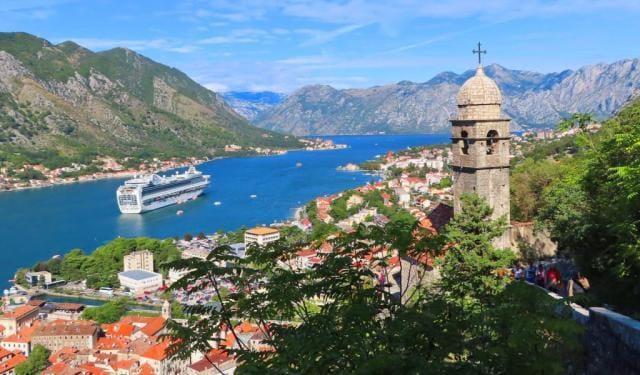
St John’s Fortress
Explore Kotor
Cruise the Bay of Kotor, a seashell-shaped fjord framed by limestone peaks and terracotta rooftops. From there, climb the 1,350 stone steps to St. John’s Fortress for a panoramic sweep of turquoise water and medieval spires.
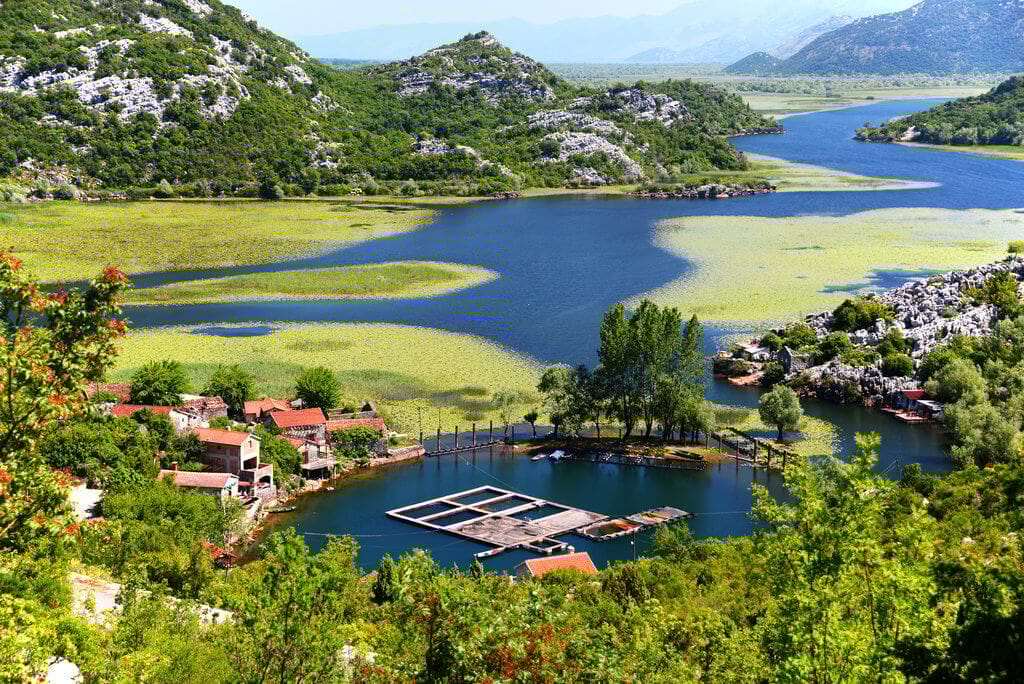
Lake Skadar
Hidden Gem
Head south to Lake Skadar, one of Europe’s largest freshwater lakes and a bird-watcher’s paradise. Glide past waterlilies and monastery islets that seem untouched by time. In the tiny village of Virpazar, a family-run winery welcomes guests with homemade wine and stories of the region’s past.
Thank you for reading!
How would you rate todays edition of the newsletter? |
Seeking impartial news? Meet 1440.
Every day, 3.5 million readers turn to 1440 for their factual news. We sift through 100+ sources to bring you a complete summary of politics, global events, business, and culture, all in a brief 5-minute email. Enjoy an impartial news experience.