- The Culture Vulture
- Posts
- Gastropub Glory: The Eagle vs The Devonshire
Gastropub Glory: The Eagle vs The Devonshire
This issue: Gastropub titans, a pastel-soaked museum takeover, design calm for chaotic times, and a hidden stretch of the California coast.

Shakira Taylor
November 20, 2025

In partnership with

Hey Culture Clubbies!
Pints up. We are diving into Britain’s gastropub rivalry with The Eagle and The Devonshire, then jumping to London’s Design Museum for a walk through Wes Anderson’s meticulous universe. We round things out with Japandi 2025, the calm design code taking over homes, and a coastal breather in Gualala, California. Four fixes. One very tasty read.
In under 10 minutes we’ll cover:
The Eagle vs The Devonshire. Britain’s gastropub titans
Wes Anderson. The Archives at the Design Museum
Japandi 2025. Calm design with soul
Spotlight on Gualala. Wild coast, small-town flavour
Let’s get started.
The best way to protect your assets

Insurance isn’t just another bill. It’s a key part of protecting everything you’ve worked hard to build. From your home to your vehicles, your coverage should reflect your current lifestyle and financial goals - not last year’s premiums.
EverQuote helps financial pros and those new to insurance compare personalized quotes for bundled home and auto policies, multi-car coverage, and more—all in one simple view. Keep your protection aligned with today’s market and ensure every dollar works harder for you.
Gastropub Glory: The Eagle vs The Devonshire
Walk into any serious London food conversation and soon someone brings up The Eagle and The Devonshire - the twin poles of the city’s gastropub universe.
One stands as the scruffy original that defined an entire category three decades ago; the other, barely two years old, has rewritten the rulebook with polish, pedigree, and a grill that roars brighter than most restaurants ever dare. This is a face-off between legacy and reinvention, value and refinement, Shepherdess Walk and Soho. And though both claim the title of “ultimate pub meal,” they reflect two very different Londons.
The Eagle: The Birthplace of the Gastropub
When Michael Belben and David Eyre opened The Eagle in 1991, they weren’t trying to start a revolution. They simply wanted a pub that served honest, seasonal food cooked by real chefs. Yet from those modest beginnings came a blueprint, the first gastropub in the true sense, blending a neighbourhood tavern’s casual atmosphere with cuisine that belonged on restaurant tables.

Today, over thirty years later, the blackboard menu still changes daily, the furniture remains mismatched, and orders are taken at the bar. But the formula endures because the spirit feels utterly unforced.

At lunchtime the room hums with conversation and the scent of chargrill. The open kitchen sits in full view, revealing cooks tossing pasta, searing onglet steaks, or ladling generous bowls of fish stew. The signature onglet with salsa verde remains the anchor: a slab of perfectly charred meat, ruby inside, covered in a vivid green sauce sharp with garlic and capers. It’s bold, messy, and tremendously satisfying.

The Eagle’s Mediterranean leanings run through specials like slow-cooked lamb with chickpeas, grilled squid with fennel, or maybe a plate of tagliatelle slicked with crab and chili oil. Vegetarians are never afterthoughts here; think roasted aubergine with tahini, wild mushroom risotto, or spiced cauliflower with yogurt and herbs.

The pricing still feels democratic. Mains hover between £14 and £20, portions are hearty, and there’s no stingy upselling. Wine comes by the glass or bottle from a hand-written list leaning toward rustic European labels. A pint of ale costs what a pint should. And yet, despite its casualness, The Eagle has precision. The timing from stove to counter is brisk; servers know their menu because they’ve eaten it. There’s rhythm to the service - a friendly efficiency without theatrics.

What sets The Eagle apart is its sense of continuity. It has weathered food trends, ownership shakeups, and waves of competitors, but it still embodies the idea that good ingredients plus a relaxed setting equal something special. Its charm is unvarnished: cracked tiles, old posters, elbows brushing against strangers at crowded tables. If you judge a pub by the energy of its regulars, The Eagle remains unbeatable. Locals drop in for trusty comfort; chefs and food writers come chasing nostalgia. In a city now bursting with polished gastropubs, it is still the most genuine.
The Devonshire: The New Star in Soho’s Sky
A short distance but a world away in ethos lies The Devonshire on Denman Street. Opened in late 2023, it arrived with ambition and instantly became the most talked-about pub in Britain. Credit goes to its powerhouse team: Oisín Rogers, formerly the genial force behind the Guinea Grill, and Ashley Palmer-Watts, the culinary architect once at the helm of Dinner by Heston. Together they reimagined what a pub could be, marrying the warmth of tradition with Michelin-level precision.
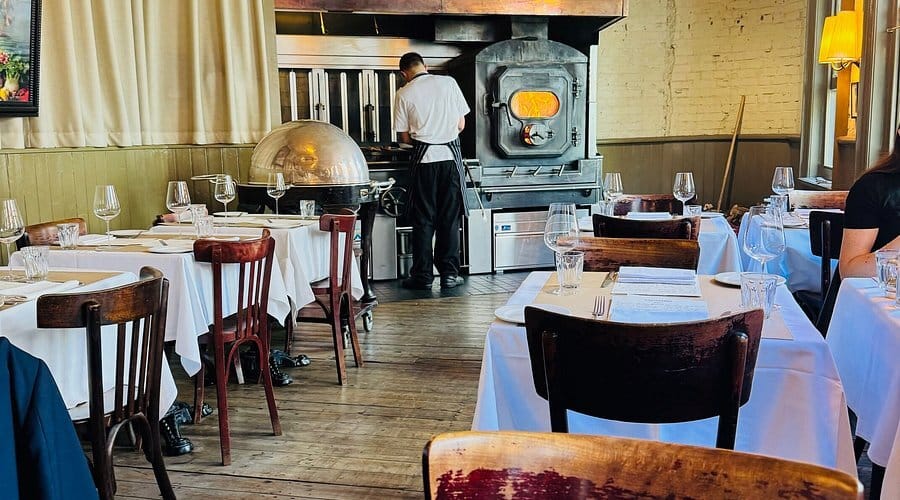
Downstairs, The Devonshire feels like an archetypal London pub—polished wood, tiles gleaming, the bar stacked with cask ales curated by Rogers himself. You could happily stop at the counter for a Guinness and the cult-favorite Guinness bread, dense and malty with a crust that crackles beneath melting butter. But head upstairs and the experience shifts: white tablecloths, glimmering brass, and the hum of anticipation. This is still a pub, but one comfortable in the language of fine dining.

The grill is the heart of it all. You smell it before you see it: a mix of charcoal and fat, irresistible and primal. The dry-aged rib of beef is the definitive order: cooked over open flame until caramelized and smoky, sliced thick, and served with bone marrow gravy and crisp-edged Yorkshire pudding. The pork chop, burnished gold, sits beside classic apple sauce that tastes as though it was made five minutes ago. Even the chips have a cult reputation, triple-cooked to shattering crispness, seasoned so precisely you chase each one. At lunch, you might find roast chicken with bread sauce or a steak pie sealed in buttery pastry. Every plate feels deliberate, every detail finessed.

The menu is shorter and more focused than The Eagle’s, but the attention to sourcing borders on obsessive. Beef is dry-aged in-house; suppliers are British farmers who can tell you the name of each herd. Pricing reflects the craftsmanship: mains start around £18 and climb toward £40 for the premium cuts. The clientele, chefs, critics, celebratory diners, accept that gladly because what’s delivered exceeds expectation. The Bib Gourmand it earned in 2024 seemed inevitable.

Service at The Devonshire mirrors the dual personality of the space. Downstairs remains cheerful and spontaneous, the bartender remembering your order before you do. Upstairs, precision takes over: courses glide in with quiet confidence, napkins folded, wine topped unobtrusively. It’s professional but never haughty, thanks to Rogers’ pubmanship and Palmer-Watts’ calm rigor. Every detail—temperature, lighting, plate timing—feels tuned to create a sense of occasion.

The Verdict
They share a conviction that a pub meal can be serious food without losing soul. For The Eagle, that soul rests in creativity with chefs cooking what they want, when they want, at prices that keep the seats full. For The Devonshire, it’s about reverence—a return to the pub as a temple of craft and care, where even a simple bread roll deserves your attention. Critically, both stand tall.
So, which wins? That depends on what you seek. If you crave the origin story with wooden bar tops scratched by decades of cheers, plates that change with the chef’s whim, and the comfort of being part of culinary history, then The Eagle is a clear winner. But if you want the full theatre, an upstairs room aglow, your steak arriving from the charcoal with cathedral reverence, and the sense that you’re witnessing the evolution of the great British meal, then The Devonshire reigns supreme.
Whichever door you walk through, you’re tasting a version of Britain that believes everyday dining can be extraordinary. The Eagle gave us the idea. The Devonshire proves the idea still burns bright.
Wes Anderson: The Archives
Step into a world of symmetrical hallways, pastel vignettes, and obsessive detail.
From 21 November 2025 to 26 July 2026, London’s Design Museum becomes a portal into the mind of Wes Anderson with Wes Anderson: The Archives: a sweeping, deeply personal retrospective curated with the director himself.
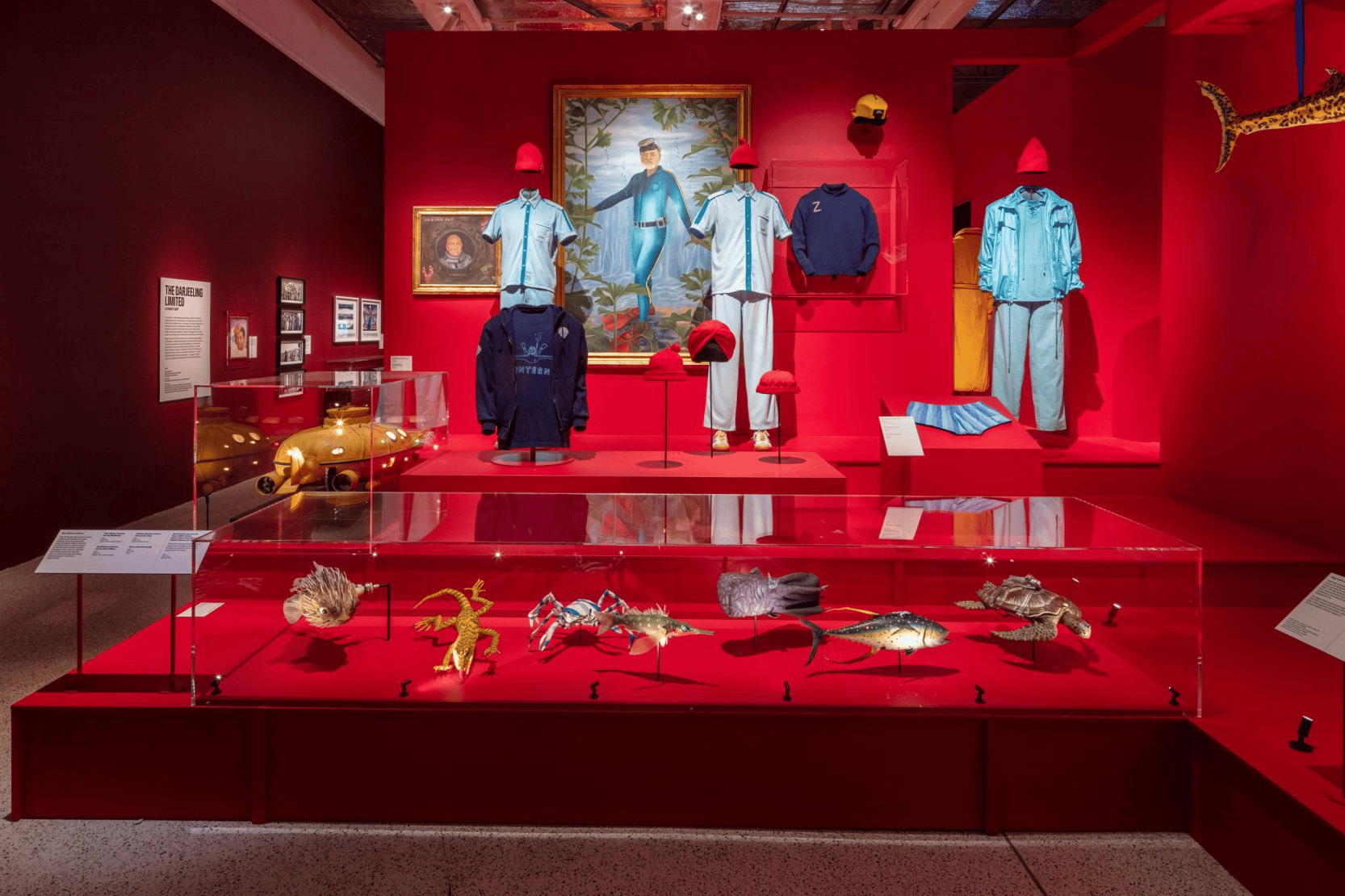
This is the first time Anderson’s cinematic universe has been unpacked at such scale, and its arrival in London follows the acclaimed Paris debut. It feels both timely and inevitable. Few filmmakers have defined modern visual culture so completely, and this exhibition lets visitors walk through the meticulous artistry that has inspired countless imitators across film, design, and fashion.

Over 600 objects are gathered from Anderson’s personal archive, each infused with the surprising textures and colours that mark his films. The exhibition moves beyond nostalgia or memorabilia, revealing how Anderson’s worlds are built layer by layer. There are props, costumes, models, storyboards, and notebooks that chart a career spanning from the lo-fi beginnings of Bottle Rocket to the lush vistas of Asteroid City. In one gallery, a three-metre-wide candy-pink model of The Grand Budapest Hotel commands the room. According to Londonist, it is a must-see centrepiece, so precise in its miniature detail that it almost feels lifesize.

Elsewhere, fans of Anderson’s more recent cosmic moods can examine the original Asteroid City vending machines, their retro-futuristic designs glowing under museum light. Nearby, in a display case lit like a cinematic close-up, rests Margot Tenenbaum’s FENDI fur coat, the costume that helped define a generation of carefully aloof characters. Seen outside the screen, it reads as both relic and revelation, its texture and tailoring representing the same narrative discipline Anderson brings to every frame. Each object has the air of a supporting character finally given its own moment on stage.

The heart of the exhibition lies deeper still, among the notebooks and storyboards. Here Anderson’s process becomes almost tactile: pages dense with handwritten notes, tiny collage fragments, and pen sketches of camera angles that speak to his preoccupation with precision. Viewers are invited to trace the evolution of scenes and sets, to witness how pencil strokes transformed into cinematic geometry. The intimacy of these documents gives the exhibition something rare, a glimpse not only of a filmmaker’s style but of his mind at work.

Another gallery devotes itself to Anderson’s stop-motion works, Fantastic Mr Fox and Isle of Dogs. The original puppets and miniature cityscapes reveal worlds almost impossibly detailed, each prop a small triumph of craftsmanship. Standing before them, it is easy to forget you are in a museum at all. It feels more like a film paused mid-motion, waiting for a director’s quiet cue.

This London edition includes around 100 additional objects not shown in Paris, a detail fans will relish. It suggests Anderson’s world is still expanding, its edges never quite fixed. The exhibition’s meticulous curation has already sparked anticipation across design circles, promising both spectacle and study. For devotees of film and design alike, this marks a rare opportunity: not just to see Anderson’s creations but to inhabit their symmetry.
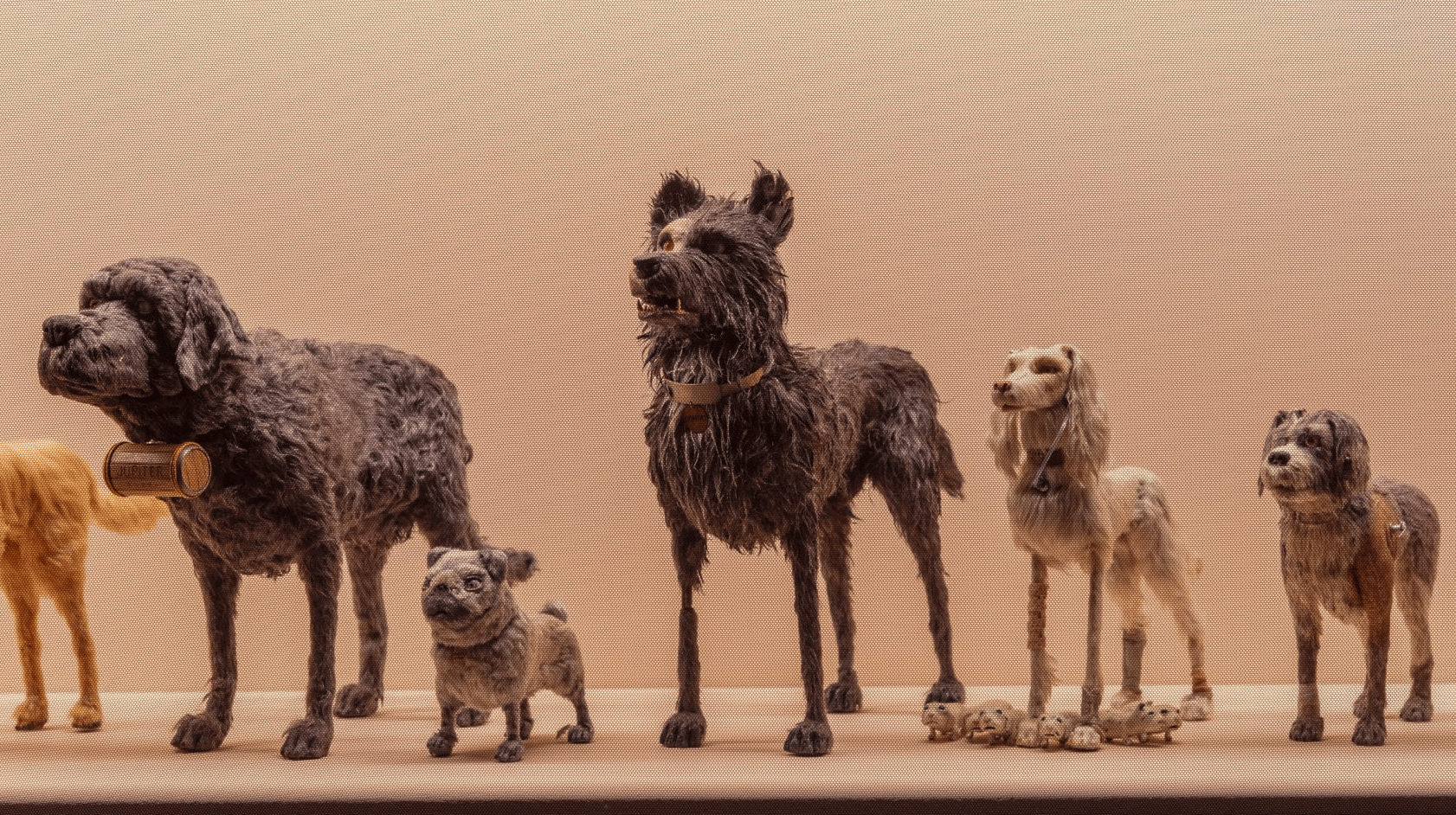
Tickets start from £16.80 and are available through the Design Museum website. Whether you are drawn by the sugar-pink nostalgia of The Grand Budapest Hotel or the handcrafted puppetry of Fantastic Mr Fox, Wes Anderson: The Archives transforms cinematic obsession into exhibition art. It is less a retrospective than an invitation to dwell, for a few hours at least, inside someone else’s perfect frame.
Where to Invest $100,000 According to Experts

Investors face a dilemma. Headlines everywhere say tariffs and AI hype are distorting public markets.
Now, the S&P is trading at over 30x earnings—a level historically linked to crashes.
And the Fed is lowering rates, potentially adding fuel to the fire.
Bloomberg asked where experts would personally invest $100,000 for their September edition. One surprising answer? Art.
It’s what billionaires like Bezos, Gates, and the Rockefellers have used to diversify for decades.
Why?
Contemporary art prices have appreciated 11.2% annually on average
…And with one of the lowest correlations to stocks of any major asset class (Masterworks data, 1995-2024).
Ultra-high net worth collectors (>$50M) allocated 25% of their portfolios to art on average. (UBS, 2024)
Thanks to the world’s premiere art investing platform, now anyone can access works by legends like Banksy, Basquiat, and Picasso—without needing millions. Want in? Shares in new offerings can sell quickly but…
*Past performance is not indicative of future returns. Important Reg A disclosures: masterworks.com/cd.
Japandi 2025: The Global Rise of Japanese-Scandinavian Minimalism
Homes across the world are quieting down. In 2025, interiors are shedding excess while keeping warmth intact, and the movement leading that charge is Japandi. A meeting point between Japanese Zen minimalism and Scandinavian functionality, Japandi offers more than a hybrid aesthetic. It is a design philosophy built on serenity, balance, and sustainability. As homeowners look for calm within chaotic lives, Japandi has become a global visual language of simplicity with soul.
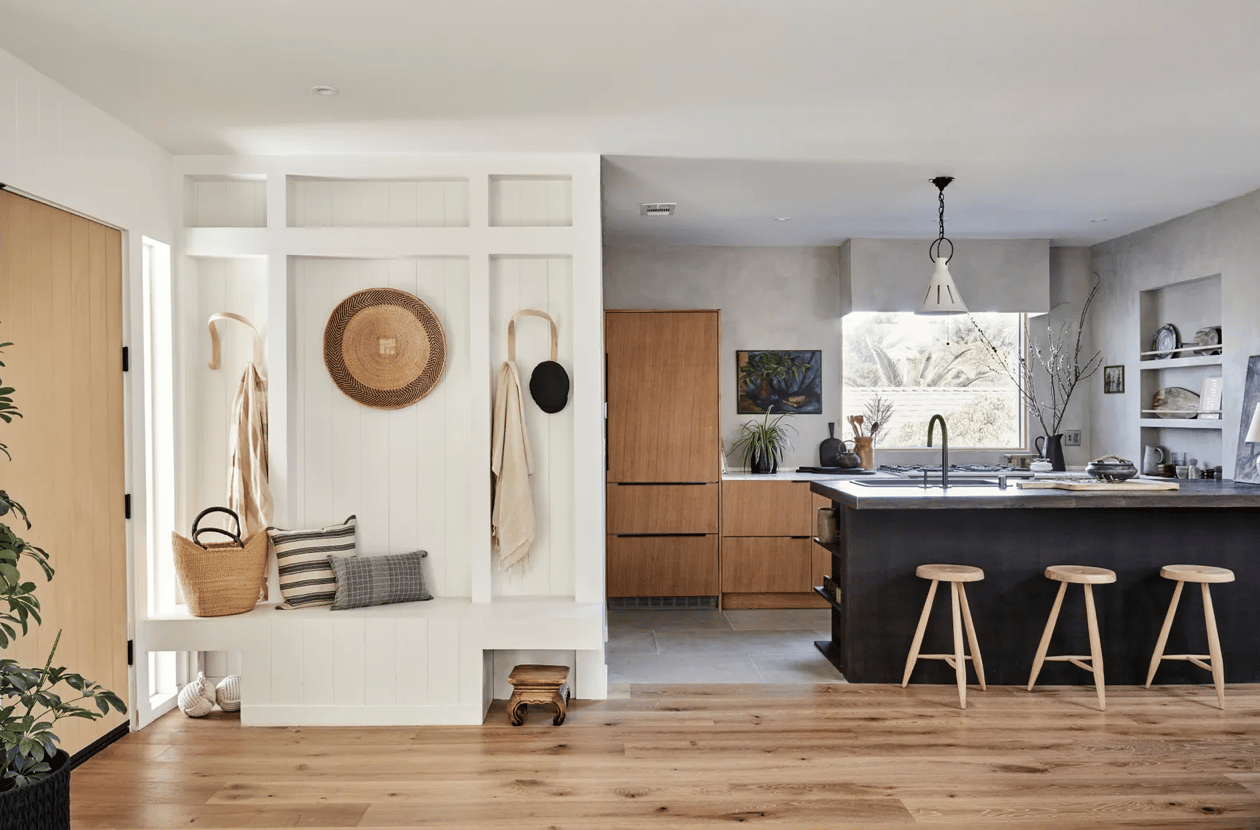
At its heart, Japandi merges two traditions that value intention. The Japanese influence shows up in clean lines, open spaces, and a sense of mindful restraint. The Scandinavian side brings in the comfort of hygge: soft textures, light wood tones, and the kind of coziness that invites lingering. Together they create spaces that breathe. The 2025 evolution of the style pushes beyond restraint alone; personalization is now key. Designers encourage layering in personal stories, heirlooms, and subtle quirks that make a home feel wholly lived in rather than curated to perfection.

Look closer and you see how nature is invited back indoors in bold ways. Biophilic design has expanded within Japandi homes, not just through potted plants but through entire indoor trees and blurred thresholds between interior and garden. Wide windows that open onto courtyards, bamboo partitions that filter sunlight, and moss green accents all echo the tranquility of Zen gardens. This shift signals a collective desire to reconnect with natural rhythms while staying grounded in functionality.

Sustainability remains the foundation on which Japandi rests. The materials—wood, linen, bamboo, clay—are durable, local, and honest. There is beauty in imperfection, in hand-thrown ceramics and handwoven textiles that carry the mark of their makers. Supporting artisans and incorporating vintage finds have become statements of value and care rather than nostalgia. A handmade bowl or an aged oak table serves as a daily reminder that artistry and patience are still possible in a fast-moving world.

The aesthetic of Japandi 2025 leans toward understated earthiness. Beige, stone gray, muted sage, and warm sand tones build a palette that feels natural under both sunlight and candlelight. These colours absorb noise and lend calm without appearing sterile.

The trick of Japandi is that it feels both ancient and modern at once. It respects tradition and craftsmanship while embracing innovation through modular furniture and subtle smart home integrations that keep surfaces clean and lives organized. In a world that prizes speed, Japandi gives permission to slow down and observe how light touches the grain of wood. It is about creating rooms that listen, materials that age gracefully, and corners that invite quiet reflection.
Which of these is NOT a typical Japandi material?Choose the correct answer below: |
Spotlight on Gualala, California
Eat
Follow Highway 1 north until the roar of ocean waves drowns out city noise, and you’ll find the Gualala Seafood Shack waiting with salty air and sizzling freshness. Think flaky fish and chips or tender grilled rockfish that tastes like it swam straight onto your plate.
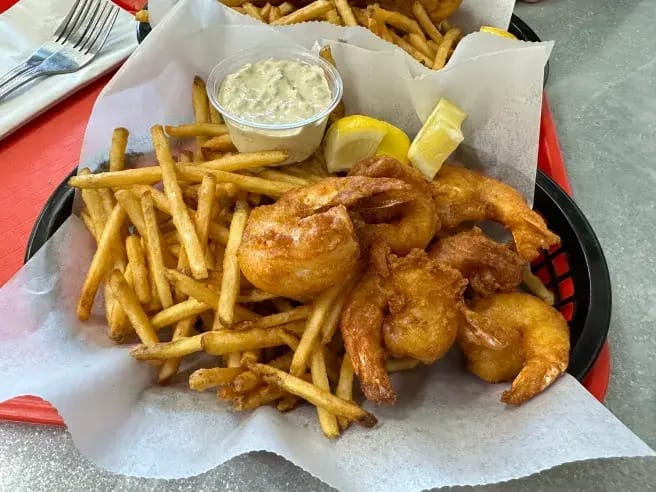
Gualala Seafood Shack
Explore
Nature fans can lace up their boots for Gualala Point Regional Park, where redwood-backed trails lead to sandy stretches at the meeting point of river and sea.
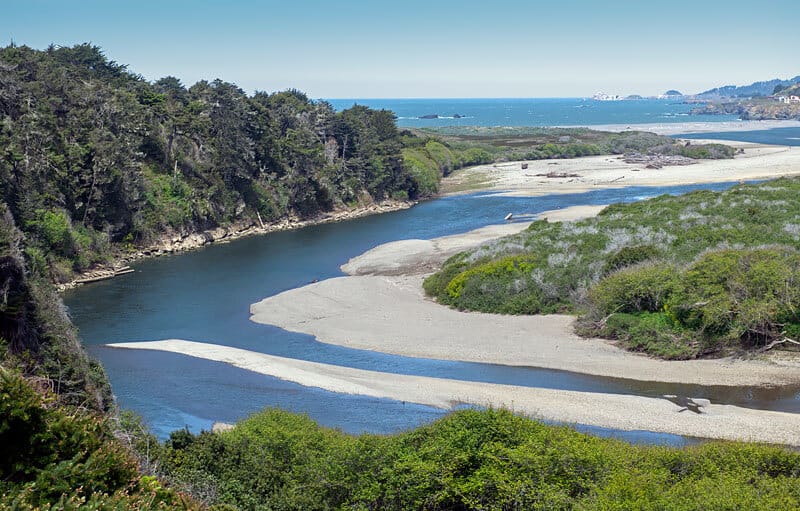
Gualala Regional Park
Unwind
Before the fog lifts, locals drift to Trinks Cafe tucked near the bluff with steaming coffee and ocean views worth lingering over.
Thank you for reading!
How would you rate todays edition of the newsletter? |
Does your car insurance cover what really matters?
Not all car insurance is created equal. Minimum liability coverage may keep you legal on the road, but it often won’t be enough to cover the full cost of an accident. Without proper limits, you could be left paying thousands out of pocket. The right policy ensures you and your finances are protected. Check out Money’s car insurance tool to find the coverage you actually need.