- The Culture Vulture
- Posts
- Bar Valette vs The French House: Euro-Snack Excellence
Bar Valette vs The French House: Euro-Snack Excellence
This issue: Euro-snack excellence meets Soho soul, dance meets data at Somerset House, robots get creative at Berkeley, and Japan’s Samurai City reveals its quiet magic.

Shakira Taylor
November 23, 2025

In partnership with

Hey Culture Clubbies!
This week, we’re hopping from Shoreditch to Soho, where two culinary worlds collide in Bar Valette vs The French House—a duel between modern small-plate innovation and timeless bistro charm. Then we shift from food to movement with Wayne McGregor at Somerset House, a deep dive into choreography, technology, and the art of the human body. Across the Atlantic, Berkeley engineers show us how AI is redesigning the world from the lab outward, before we land in Japan’s Aizuwakamatsu, a historic city where samurai tradition still hums beneath the modern surface.
In under 10 minutes we’ll cover:
Bar Valette vs. The French House
Wayne McGregor at Somerset House: Choreography Meets Code
Berkeley’s New Era of AI Engineering
Spotlight on Aizuwakamatsu: Japan’s Samurai City
Let’s get started.
Own a Home? Unlock Lower Auto Insurance Rates

Owning a home gets you equity, a place that’s all yours, and now, better auto insurance rates. Drivers who own their home, own multiple cars, and have a clean driving record can save big by comparing insurance rates. And now, with EverQuote, that process is easier than ever.
EverQuote is a smart insurance marketplace built for people like you. We simplify the entire process:
Quick & Easy: Stop filling out the same forms repeatedly.
Maximum Savings: We connect you with trusted national and local carriers.
Confidence in Coverage: Our platform helps you compare and confidently select the perfect policy.
You deserve great coverage without the headache.
Bar Valette vs The French House: Euro-Snack Excellence
If food were geography, Bar Valette and The French House would be two countries sharing a border but speaking entirely different tongues. What links them is a mastery of the European small plate, that convivial, snacky mode of eating that’s become London’s reigning obsession. What separates them is intent: one tastes like the new guard tearing up the map, the other like a well-worn classic written in permanent ink.
Bar Valette: Modern Shoreditch Flair
Bar Valette, which opened in early 2025, occupies a sleek corner of Shoreditch and serves as the younger sibling to The Clove Club. Isaac McHale, one of London’s most respected chefs, runs it not as a temple of tasting menus but as an ode to European comfort food done with precision and playfulness. It feels like a message: fine dining doesn’t have to be formal; it can come dressed as an unfussy bar with marble counters, open kitchen clatter, and laughter bouncing off modern timber and brass.

Walking in, you’ll find a slender room that glows amber with soft lighting. It hums rather than shouts, balancing Shoreditch buzz with warmth that encourages lingering over a bottle of wine. The layout prioritizes energy over privacy, an open kitchen keeps the chefs part of the show, lending the place a relaxed theatre. Service matches that rhythm: enthusiastic, fiercely knowledgeable, and always ready to steer you through a menu that rewards curiosity.

The format is pure grazing. Start with habas fritas, spiced almonds, or a bowl of olives, all around £5 each, to awaken the appetite. Then inch toward the dishes that mark Bar Valette’s character.
The pot of snails cooked with tomato and chorizo is a crowd favourite: slippery, tender morsels infused with smoky paprika oil, accompanied by hunks of homemade sourdough perfect for mopping up the sauce.

Another headline act is the devilled crab tartlet, an elegant, spicy mouthful demanding repeat orders, and the fried chicken with pine dust, which reimagines comfort food through McHale’s quiet inventiveness. The preserved white asparagus with capers and chervil (£16) is spring served in miniature, while the Torbay prawns with aioli (£27) represent the kitchen’s elegant way of letting great British seafood do the talking.

Larger plates follow the same shareable spirit: brill on the bone with estoficado sauce (£39) channels Basque coastlines, with a concentrated tomato-and-pepper richness that anchors the sweet fish. The pricing is “punchy but fair,” as one critic noted, reflecting the calibre of produce McHale demands. Most diners clock in around £60 a head, though adding bottles from the sharply curated wine list can nudge that figure upward. The list itself pays homage to Europe—particularly Spain and France—but lacks pretense; servers happily suggest pairings to suit your taste rather than to upsell.

pine dusted fried chicken
Dessert leans on simplicity and texture: the thick chocolate mousse, often praised by regulars, arrives dark, creamy, and unapologetically rich. It’s the dish that shifts the evening from lively snacking to slow satisfaction, a reminder that even the new casual dining can end with something deeply classic.
The Good Food Guide highlights “exceptional quality” and execution “as confident as any Michelin kitchen,” while noting you can lose track of the bill if you’re not careful. For a neighbourhood already swimming in small-plate joints, Valette somehow feels fresher, both a continuation and a rejection of the trend, elevated by the balance of ambition and warmth.
The French House: Soho’s Living Classic
Across the city, in the heart of Soho, The French House is everything Bar Valette didn’t need to invent. It’s the original model. For decades, this iconic pub and dining room has pulled writers, actors, and chefs into its embrace. Its dining space upstairs, run by chef Neil Borthwick, is where much of London’s Francophile longing continues to find a home. In a world of QR-code menus and Instagrammy plating, The French House stays proudly analog, daily menus written by hand, chalkboard specials whispered to the regulars who know to ask.

If Bar Valette feels like the hush of a modern wine bar, The French House hums like a postcard from Paris in the 1970s. Wooden tables, vintage mirrors, and decades of Soho memorabilia cover the walls; the light is golden but forgiving. There’s a narrow staircase, a tight squeeze through tables, and a sense that nothing here has been designed for efficiency, and that’s exactly why it works. The atmosphere encourages intimacy. Service is friendly without affectation. This is the kind of dining room where regulars greet servers by name and an open bottle of red might outlast your main course by design.

The menu, which changes daily, remains rooted in classical French comfort. Starters hover around £12—perhaps a rabbit terrine one day, or snails baked in butter the next. Mains range from £28 to £35, with larger sharing plates sometimes chalked up for bigger tables. There’s a soulful rhythm to Borthwick’s cooking that evokes kitchens from Lyon to Burgundy: duck confit with crisp skin that cracks audibly before giving way to unyielding tenderness, rabbit with mustard so balanced it never overwhelms, steak frites executed with unflinching precision. And then there’s the tarte tatin—often discussed in reverent tones—where caramelization does the storytelling.

Regulars say the star of The French House isn’t a dish at all but the feeling of completeness: being cared for, fed generously, and allowed to linger. Critics agree. Andy Hayler calls it “appealing rustic French food” and praises its charm as equal to many Michelin restaurants. The concise wine list is almost academic in curation: French regional bottles dominate, prices are reasonable, and staff pour with relaxed precision rather than ceremony.

The cheese plate and tarte tatin close many meals, but you’d be remiss to skip the espresso—served short, strong, and just bitter enough to remind you that real French dining ends with coffee, not spectacle. Borthwick, who cooked at The Square and Merchants Tavern before arriving here, guides the kitchen with a steady hand. His cooking conveys depth without decoration, much like the building’s legacy itself. Every scuff on the floorboards carries narrative weight, and every diner seems somehow part of that ongoing story. Downstairs, the pub remains a phenomenon in its own right—a pillar of Soho’s bohemian crowd, where writers once plotted novels and now food lovers plot return reservations.

The Verdict
Placed side by side, these two restaurants might seem like opposites: one a gleaming newcomer pulsing with Shoreditch energy, the other a venerable relic of Soho’s golden age. Yet together they explain why London’s European dining culture feels so complete.
Bar Valette represents momentum and the city’s appetite for invention with its ability to reinterpret continental classics through a modern lens. The French House embodies permanence, reminding us that good food needn’t evolve to endure.
Bar Valette asks diners to compare notes, share bites, and chase modern pleasure. The French House asks them to slow down, order the cheese, and surrender to rhythm. Both believe in food as conversation—but one speaks in the quick, lively chatter of Shoreditch, and the other in the deep, easy French of Soho. If your evening calls for energy, discovery, and wine-fuelled curiosity, Bar Valette is your destination. If what you crave is warmth, storytelling, and the company of Soho history, The French House will wrap you in nostalgia as rich as its sauces.
Wayne McGregor at Somerset House
Step into Somerset House this season and prepare to rethink what movement means.
The exhibition devoted to Wayne McGregor opens the doors to one of the most original choreographic minds working today. Best known for pushing ballet and contemporary dance into new dimensions of technology and science, McGregor brings his creative universe to the grand rooms of this neoclassical London landmark. Rather than a simple retrospective, the exhibition functions as a living laboratory, one that reveals how choreography, design, and digital innovation form the building blocks of his work.

Born in Stockport and now internationally acclaimed, McGregor has consistently turned dance into an act of exploration. His collaborations span music, fashion, film, and artificial intelligence. Visitors will encounter interactive installations that trace how his dancers translate emotion into data, how coded light aligns with physical motion, and how body and algorithm fuse inside the rehearsal process. The experience is part gallery, part performance, and entirely immersive. Somerset House becomes an archive in motion, showing the intricate experiments behind pieces commissioned by the Royal Ballet, Random Dance, and cross‑disciplinary projects that have redefined the stage.

Walking through the galleries, archival footage plays beside digital projections that layer gesture on gesture until the act of movement seems infinite. Costumes worn by McGregor’s long-time ensemble sit beside sketches, notebooks, and sound scores. Each object points to his enduring question: how can we make the invisible—thought, feeling, impulse—visible through the body? It is a question that invites audiences not just to watch but to sense how their own physical responses are choreographed by the space itself.

The timing could not be sharper. As dance companies worldwide engage with motion capture and AI-driven composition, McGregor’s work stands as both precedent and provocation. His residency at Somerset House has been central to these dialogues, and this exhibition offers a unique chance to see the results of years spent translating corporeal knowledge into new media. For anyone curious about the future of performance, there could hardly be a more relevant moment to visit.

The setting amplifies the story. Somerset House, with its stately courtyards and river views, has long bridged heritage and innovation. Within its newly configured exhibition rooms, McGregor’s luminous projections ripple across stone walls, startling in their contrast to the building’s 18th‑century calm. Moving through the space feels like crossing between centuries: the historical frame of the architecture meeting the futuristic energy of digital movement. rare, a glimpse not only of a filmmaker’s style but of his mind at work.

Practicalities match the ambition. The exhibition runs at Somerset House in London through the current season. Standard entry tickets are available via the Somerset House website, and timed slots ensure steady pacing through the galleries. Whether you are a devotee of dance, a technologist seeking inspiration, or simply someone who values the art of creative process, this show offers a rare glimpse into how choreography can become a language of innovation. It is not just an exhibition about movement, it moves you while you watch.
Sticking with the same home insurance could cost you
Home insurance costs are rising fast, up nearly 40% nationwide in just the past few years. With premiums changing constantly, sticking with the same provider could mean overpaying by hundreds of dollars. Shopping around and comparing multiple insurers can help lock in better rates without losing the protection your home needs. Check out Money’s home insurance tool to shop around and see if you can save.
AI-Assisted Engineering Takes Center Stage at Berkeley
Step into Berkeley’s engineering labs this year and you’re as likely to hear talk of neural networks as of nuts and bolts. Artificial intelligence is no longer a side project there, it’s the main event. Across classrooms, research centers, and even executive workshops, AI tools are reshaping how engineers imagine, design, and build the world around them. The university, long a cradle of Silicon Valley’s innovation, is turning itself into a living experiment on what happens when code meets concrete, and algorithms learn to think like architects.n chaotic lives, Japandi has become a global visual language of simplicity with soul.

The mantra behind it feels simple: use machines to design better machines. In robotics, that means letting AI optimize everything from structure to control, freeing human engineers from hours of painstaking trial and error. Berkeley researchers are developing what they call “mighty morphing robots.” Built with adaptable truss structures, these machines can reconfigure their shape to tackle different tasks. It’s as if a bridge could fold itself into a ladder, or a drone could widen its body for lift, then shrink to dart through small gaps.
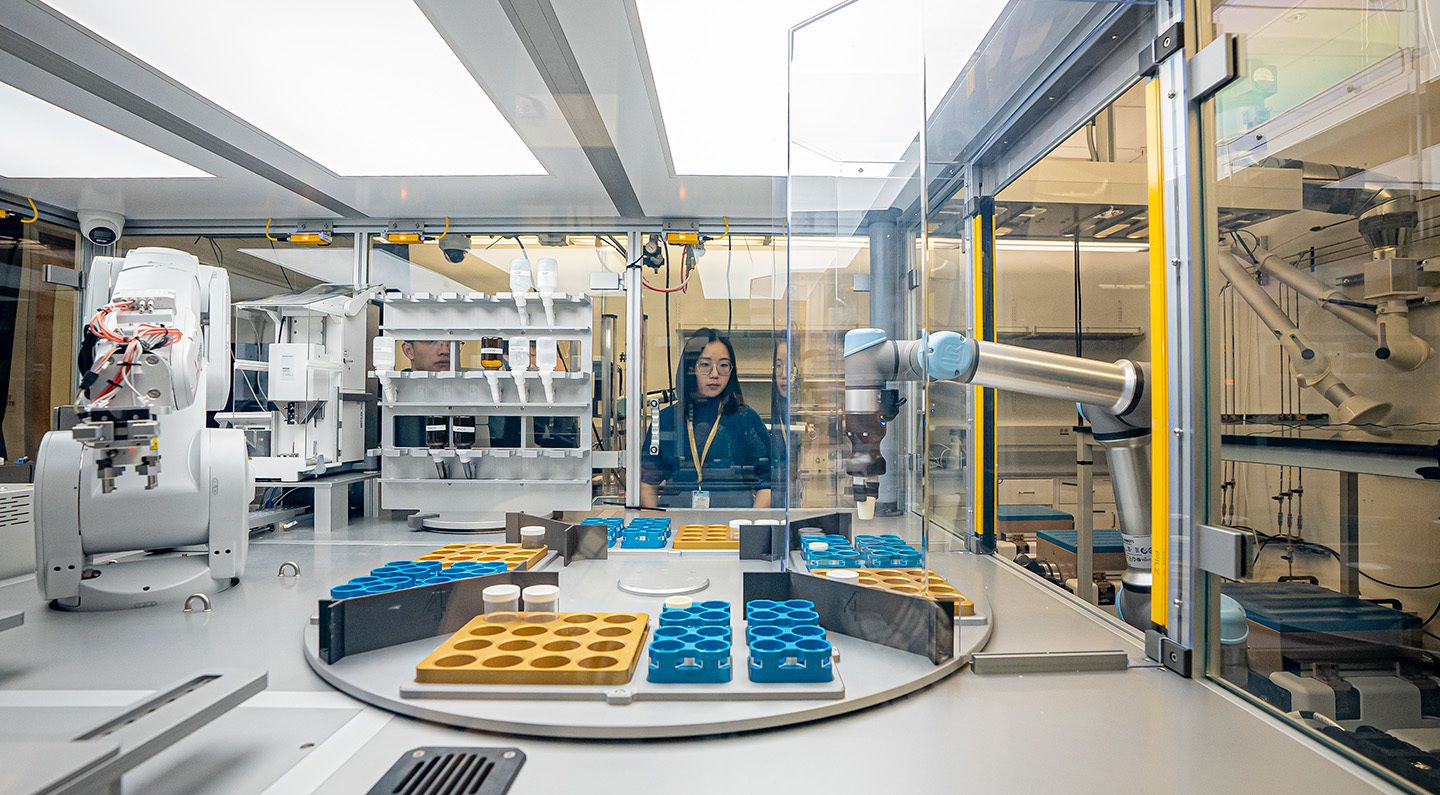
Look closer and the inspiration gets more poetic. The shape-shifting robots draw cues from nature’s balance between structure and flexibility—bones that grow dense under stress, branches that bend without breaking. With AI-guided design algorithms, engineers feed in objectives, and the system evolves structural solutions that often surprise their human collaborators. The result is robotics research that feels almost biological in its inventiveness, where computation becomes a creative partner rather than a cold calculator.

Yet the transformation isn’t confined to the lab. Berkeley’s classrooms are adjusting to a new pace of technological change. The Applied AI in Engineering Summer Institute, for instance, gives students an intense immersion in both technical and ethical dimensions of machine intelligence. There are courses like “Adventures in Legged Locomotion” and “Aerial Robots and the Future of Aerial Transport,” mixing history, theory, and hands-on building. Faculty emphasize that learning AI now means more than coding: it includes understanding the societal impact of automation, from jobs to safety to cities themselves.
Industry partnerships are amplifying the effort. Symposiums such as the BETR “Hardware for AI” event bring students together with company researchers to tackle practical challenges. Executives in tailored suits share space with undergrads soldering circuits, united by the rush of applying theoretical progress to real devices. Engineering education has rarely looked so porous, with academia and industry cross-pollinating ideas in real time. For participants, these sessions underscore that innovation today is more networked and interdisciplinary than ever before.
Outside the academy, Berkeley’s boom of AI bootcamps and certificate programs mirrors the city’s wider appetite for rapid learning. As AI reshapes job descriptions, engineers seek fast, hands-on retraining. These courses are designed to translate AI’s abstractions into tools for immediate use, whether in infrastructure design or robotics startups. The broader implication is clear: AI literacy is becoming as foundational to engineering as calculus once was.
At Berkeley, that shift feels electric, a university simultaneously teaching, testing, and reinventing AI’s role in how we build. The next bridges, drones, and city grids may well carry its imprint.
Spotlight on Aizuwakamatsu, Japan
Eat
Begin your day in “Samurai City” with a steaming bowl of sauce katsudon, a local specialty of crisp pork cutlet glazed in a sweet-savory sauce and ladled over rice.

Samurai City
Explore
Climb to Tsuruga Castle, Aizuwakamatsu’s striking red-tiled fortress rebuilt as a museum and lookout that tells stories of loyalty and loss. Its panoramic view of Mount Bandai is best at dawn, when the mist rolls through the valley like a scene from a haiku.

Unwind
A short bus ride away, Iimoriyama Hill stands as the heart of Aizu’s collective memory. Climb its 183 stone steps to the Byakkotai graves, where teenage samurai upheld their code during the Boshin War. The view over the city feels solemn yet inspiring.
Thank you for reading!
How would you rate todays edition of the newsletter? |
Here’s an un-boring way to invest that billionaires have quietly leveraged for decades

If you have enough money that you think about buckets for your capital…
Ever invest in something you know will have low returns—just for the sake of diversifying?
CDs… Bonds… REITs… :(
Sure, these “boring” investments have some merits. But you probably overlooked one historically exclusive asset class:
It’s been famously leveraged by billionaires like Bezos and Gates, but just never been widely accessible until now.
It outpaced the S&P 500 (!) overall WITH low correlation to stocks, 1995 to 2025.*
It’s not private equity or real estate. Surprisingly, it’s postwar and contemporary art.
And since 2019, over 70,000 people have started investing in SHARES of artworks featuring legends like Banksy, Basquiat, and Picasso through a platform called Masterworks.
23 exits to date
$1,245,000,000+ invested
Annualized net returns like 17.6%, 17.8%, and 21.5%
My subscribers can SKIP their waitlist and invest in blue-chip art.
Investing involves risk. Past performance not indicative of future returns. Reg A disclosures at masterworks.com/cd