- The Culture Vulture
- Posts
- Hawksmoor Air Street vs Blacklock Soho – Steakhouse Showdown
Hawksmoor Air Street vs Blacklock Soho – Steakhouse Showdown
This issue: Hawksmoor Air Street vs Blacklock Soho — two very different ways to eat beef; plus a dive into a bold new art show, a rethink of London’s Christmas-market season, and a serene coastal escape in Nazaré, Portugal.

Shakira Taylor
December 06, 2025

In partnership with

Hey Culture Clubbies!
In this edition, we are cutting into two heavyweights of London meat culture and asking the only question that matters when the cravings call. Do you book Hawksmoor Air Street for steakhouse polish and big night-out drama, or do you dive into Blacklock Soho for charcoal-fired chops, breezy value, and the roast that London will not stop talking about. We will stack the room vibes, signature plates, sides, service, and price feels, then help you pick your spot based on mood, company, and the way you like your evening to flow.
In under 10 minutes we’ll cover:
Hawksmoor Air Street vs Blacklock Soho – Steakhouse Showdown
Callum Eaton: What a **** show
London’s new Christmas Markets
Spotlight on: Nazare, Portugal
Let’s get started.
Modernize your marketing with AdQuick

AdQuick unlocks the benefits of Out Of Home (OOH) advertising in a way no one else has. Approaching the problem with eyes to performance, created for marketers with the engineering excellence you’ve come to expect for the internet.
Marketers agree OOH is one of the best ways for building brand awareness, reaching new customers, and reinforcing your brand message. It’s just been difficult to scale. But with AdQuick, you can easily plan, deploy and measure campaigns just as easily as digital ads, making them a no-brainer to add to your team’s toolbox.
Hawksmoor Air Street vs Blacklock Soho – Steakhouse Showdown
London’s steak and chop scene has a deep bench, but two names come up again and again when friends start plotting a carnivorous night out. Hawksmoor Air Street is the classicist with gloss, a full-service steakhouse that treats dry-aged British beef and a serious seafood program as twin pillars. Blacklock Soho is the insurgent with swagger, a chops-focused chophouse set in a former brothel that keeps prices easy, cooking primal, and the atmosphere loud in the best way. This is a duel without a wrong answer, so the real work is figuring out which place fits tonight’s story.
Hawksmoor
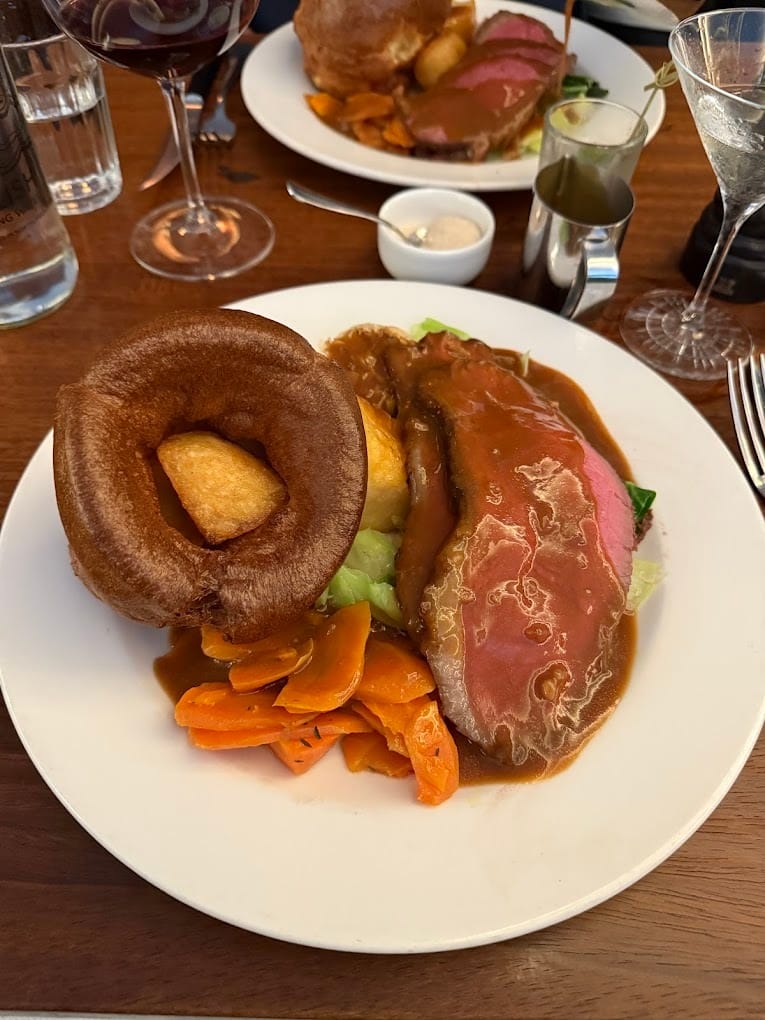
At Hawksmoor Air Street the setting sets the tone. The dining room is refined and a little cinematic, polished without being stiff, and made for occasions that feel like events. It is the kind of space that can handle a dressy date, a celebratory family dinner, or a business meal where you want the hospitality to do some of the talking for you. Service glides rather than pushes. You get explanations that are precise and confident, the kind that make you feel more capable of navigating a menu without a sales pitch.

The house focuses on dry-aged British beef, and you can taste the patience. The room also carries a strong seafood offering, which broadens the table beyond red meat. That balance can matter when groups are mixed, or when you want to start with something lighter before the steak lands. Hawksmoor is an institution for a reason. Consistency is the word you hear again and again in recent praise, and the Air Street address wears that reputation like a tailored jacket.

Order like a regular and you begin with the signatures. The 35-day dry-aged ribeye is a benchmark cut, all mineral depth and tenderness, a steak that rewards anyone who enjoys a full-flavored chew. The chateaubriand is the romantic’s choice, a center cut that feels celebratory on a sharing plate. Sides are not fillers here, they are main characters with their own fan clubs.
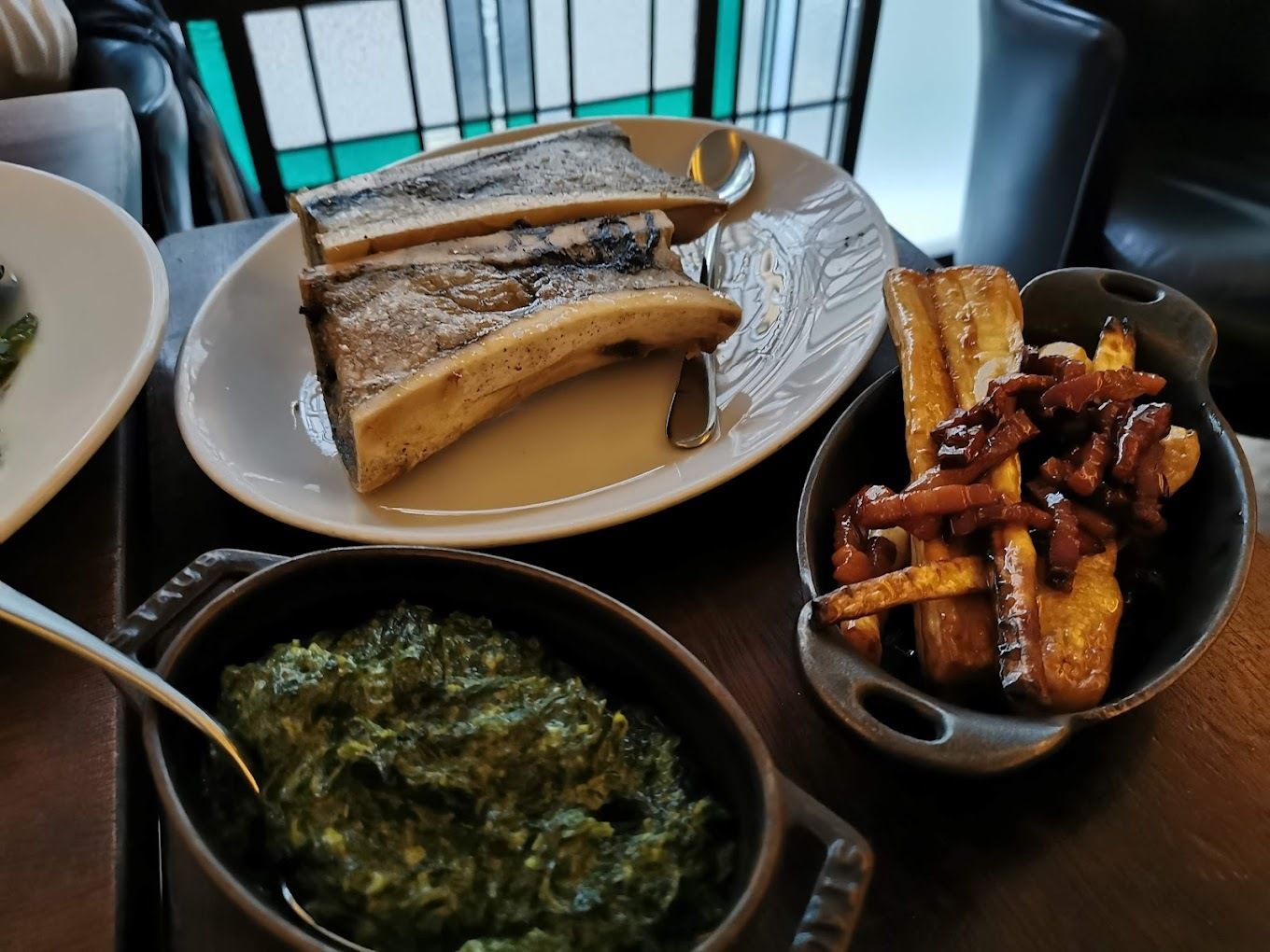
Bone marrow brings roasted, buttery richness that you swipe across steak or bread, and beef dripping chips hit that crisp-outside, fluffy-inside texture that can make even restrained diners reach for one more. The cocktail list is a point of pride and ambition. You will find drinks that are a little more elaborate than your average steakhouse pour, which is nice if you want to keep pace with the room’s sense of occasion.
The overall effect is classic steakhouse, just dialed to London’s modern expectations of provenance, craft, and a dining room that feels as thought-through as the food. If you have a client to impress, if you want to mark a date on the calendar, or if you simply want the full belief-affirming version of a steak night, Hawksmoor Air Street makes the case without raising its voice.
Blacklock
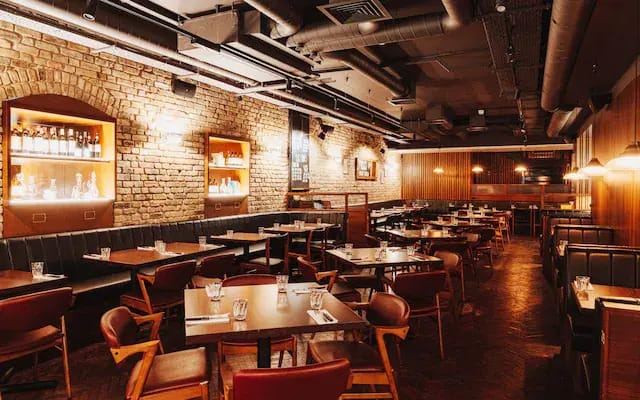
Blacklock Soho takes the opposite route to winning hearts, and it works because the place knows exactly what it is. The space is a former brothel, and that bit of history seems to inform the cheeky, lived-in energy. The vibe is lively, informal, and a little raucous when the room is full. People laugh loud, plates arrive fast, and the soundtrack of charcoal cooking is part of the show. Service is brisk and friendly, the kind of hands-on, eyes-up hospitality that gets you what you need without choreography.
Blacklock cooks over charcoal and you taste that choice in every chop and steak. It is old-school chophouse cooking filtered through modern London, a commitment to value and fun that makes it a magnet for the kind of night you remember for the conversations just as much as the meat. The brand is B Corp certified, and like Hawksmoor they emphasize British pasture-raised beef, which keeps the ethics aligned even as the atmospheres diverge.

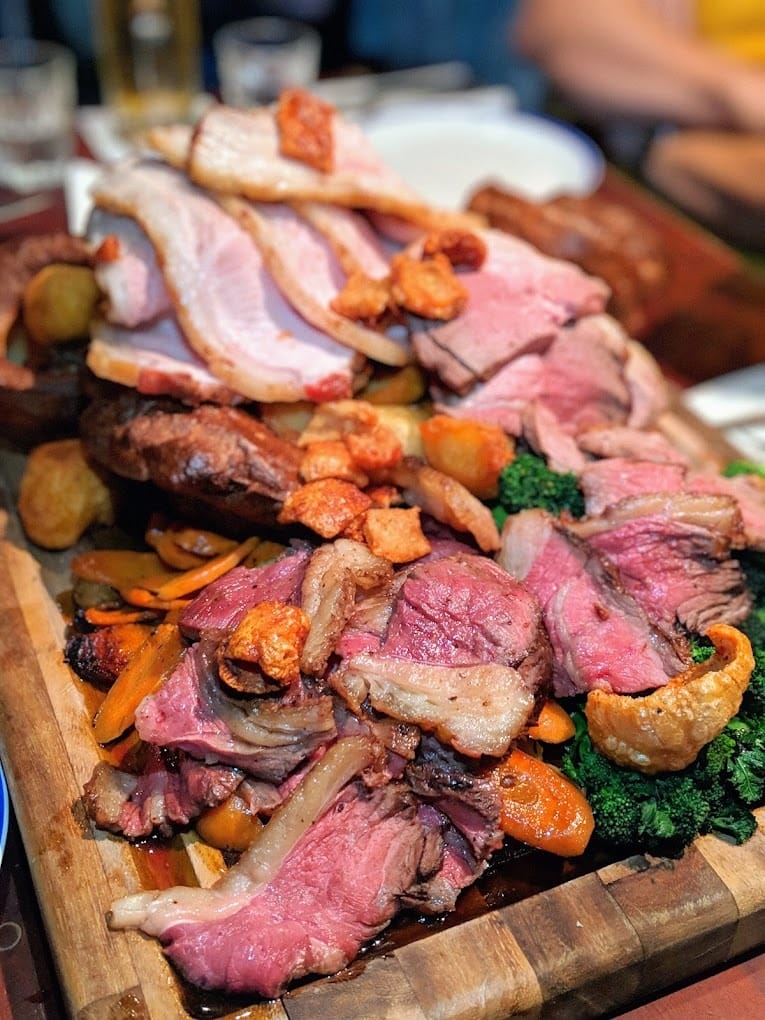
The menu is chops-forward, and the signature “skinny chops” are the plate that most people talk about first. They are small, fast-cooked, charred at the edges, and juicy in the middle, ideal when you want variety on the table and a hit of charcoal with every bite. For steak lovers, Blacklock’s prime rib and rump cap give you the heft you might expect from a steakhouse, just without the price tag that often comes with it. There is also the Sunday roast, which has earned a reputation for being one of the city’s best and it draws a crowd for good reason. It is generous, it is cooked properly, and it captures everything Blacklock does well, which is to say comfort with character.

Sides stick to the spirit of the place too. The 10-hour ash-roasted sweet potato is a highlight, sweet and smoky and satisfying next to the meat. Drinks are straightforward rather than showy, which keeps the focus on the grills and the bill friendly. If the mood is mates around a table, multiple rounds of chops, and an evening where you lean into the social side of eating, Blacklock Soho reads your mind.
The Verdict
Hawksmoor gives you a show in a well-tailored suit. Blacklock shows up in a vintage tee with charcoal under the fingernails and a grin. The advice is simple. If you want the premium steakhouse experience, the full weight of dry-aged signatures, a deeper cocktail list, and the kind of room that can carry a milestone, choose Hawksmoor Air Street and expect to pay for the polish. If you want to keep the bill on the friendlier side, if you want the charcoal hit and the chops culture, or if it is Sunday and a proper roast is calling your name, Blacklock Soho is the answer. Neither choice is a compromise because both deliver on their promises.
Callum Eaton: WHAT A SHIT SHOW
At first glance, the title feels like a punchline, a muttered summary of a burnt breakfast or a day gone wrong. Yet Callum Eaton’s WHAT A SHIT SHOW, on view at Carl Kostyál, 12A Savile Row, London W1S 3PQ, is far from throwaway.
Running 11 December 2025 to 17 January 2026, it marks the artist’s second solo outing with the gallery and a clear evolution from his 2022 debut Look But Don’t Touch. Where that earlier show roamed through urban infrastructure and public signage, this new work turns inward, to the micro catastrophes that punctuate domestic life. Every spilled liquid, every technical fault, becomes a study in tension and quiet comedy.

Eaton paints the wreckage of the everyday with forensic precision. There is a piece of scorched toast, its charcoaled edge feathered into painterly perfection. A limp flower masquerades as a plastic bleach bottle, wilting into itself. A fire extinguisher’s gauge droops toward empty. Each subject sits on a shaped, cut-out panel, following the object’s own silhouette. The result is a series of photo-realist icons that echo the shaped canvases of 1960s Pop painting, yet carry the close-focus intensity of Flemish still life. They hover between satire and reverence, between something found in a supermarket aisle and something deserving a glass vitrine.

What gives these works their charge is the sense of pause they contain. In one, a burning car glimpsed through a rear-view mirror. In another, the blur of a Lime bike threading through traffic. Everything feels frozen in the millisecond before calamity, that breathless point when motion and consequence almost touch. Eaton handles these scenes with an unnerving calm; his rhythm is that of the thriller rather than the slapstick sketch. A mundane moment is re-examined until it vibrates with drama. The surface is glossy and immaculate, but each brushstroke registers the unease of looking too long.

Across the show, Eaton laces his realism with flickers of self-awareness. A mirrored pair of eyes reappears in a reflection; an anonymous hand gripping a bike chain suddenly feels autobiographical. Like painters before him—**Velázquez** hiding in his own Las Meninas, van Eyck glancing out from a polished mirror—Eaton inserts himself not as protagonist but as witness. His presence doubles the tension, making these glimpses of household and street life feel as personal as they are public.
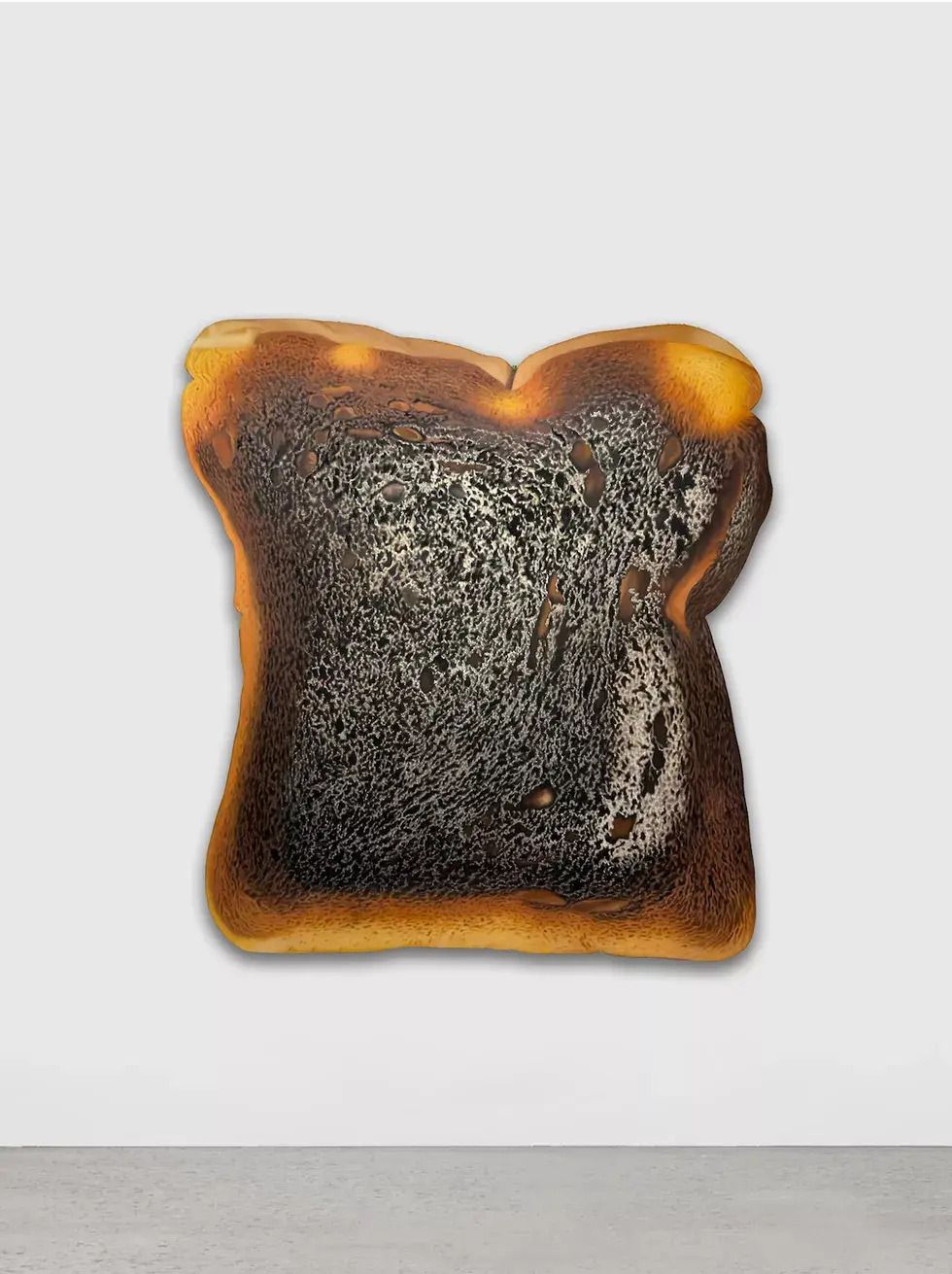
The humor of the title binds it all together. “What a shit show” becomes a refrain for the current mood: exhausted, ironic, half-amused. Art Plugged singled out the exhibition among the key London shows for December 2025, praising Eaton’s ability to elevate brief frustrations into images that demand a slow look. Each painting feels like an altar to contemporary failure, a devotional to things just about to collapse. The laughter comes with a sting because these accidents feel unmistakably ours.

That balance of elegance and absurdity gives WHAT A SHIT SHOW its edge. It is a mirror of a culture that cannot look away from its own undoing, yet delights in the spectacle. Entry is free, as with most commercial exhibitions, inviting anyone on Savile Row to drop in between holiday chaos and New Year clutter. You might not leave enlightened, but you will recognise the mood: a burnt toast world, rendered beautiful by precision and wit. experience is accessible too: admission is free for Tate Members, while visitors aged sixteen to twenty-five can explore it through the Tate Collective scheme for £5 tickets.
Period cramps don’t stand a chance against the Menstruation Crustacean.

Looking for a gift that’s both useful and adorable? The Menstruation Crustacean Lobster Heating Pad is the sleeper hit of the season. This microwaveable little lobster warms up in seconds and provides soothing relief for period cramps, back pain, and all the winter aches that come with holiday stress. It’s soft, it’s adorable, and it works shockingly well.
Perfect for your best friend, your sister, your coworker, or that Secret Santa exchange you almost forgot about—this crustacean brings cozy vibes and instant cheer. Equal parts practical and playful, it’s one of those gifts people don’t realize they need… until they try it.
Are London’s New Christmas Markets Quietly Replacing Winter Wonderland?
London’s Christmas crown used to rest securely on the head of Hyde Park’s Winter Wonderland. It was the once-a-year extravaganza: tickets booked weeks ahead, queues curling through the night air, the same familiar promise of rides, ice, and lights turned up to eleven. But now, something gentler is happening. The festive season no longer funnels everyone toward a single, glitter-saturated event. Instead, a constellation of smaller, design-led markets is drawing crowds across the city. They are quieter, more local, more about discovery than scale—and they seem to be rewriting what London’s Christmas feels like.

Winter Wonderland
Winter Wonderland still has the largest ice rink in the country and a giant observation wheel that glows over Hyde Park, but even guidebooks now describe its stalls as much like any others, just pricier and more crowded. The shift is subtle yet decisive: if you only care about browsing gifts and sipping mulled wine, most writers suggest you skip the entry fee altogether and explore the riverside or the squares instead. It is a rare moment when London’s own festive playbook treats its flagship attraction as optional fine print. That small recommendation says a lot about changing tastes.

Southbank Christmas Market
The appeal of the micro-markets lies in their variety and pacing. Southbank Centre’s riverside chalets, London Bridge’s glowing riverside promenade, and the pairing of Leicester Square with Trafalgar Square all provide the atmosphere without the crush. These stalls are arranged for strolling rather than destination-hitting, so the experience becomes a self-curated crawl through the city’s Christmas texture rather than a single-ticket day out. The ritual is not to ride the biggest wheel but to trace the glow along the Thames, cup of glühwein in hand, while street musicians rework carols into jazz and soul.
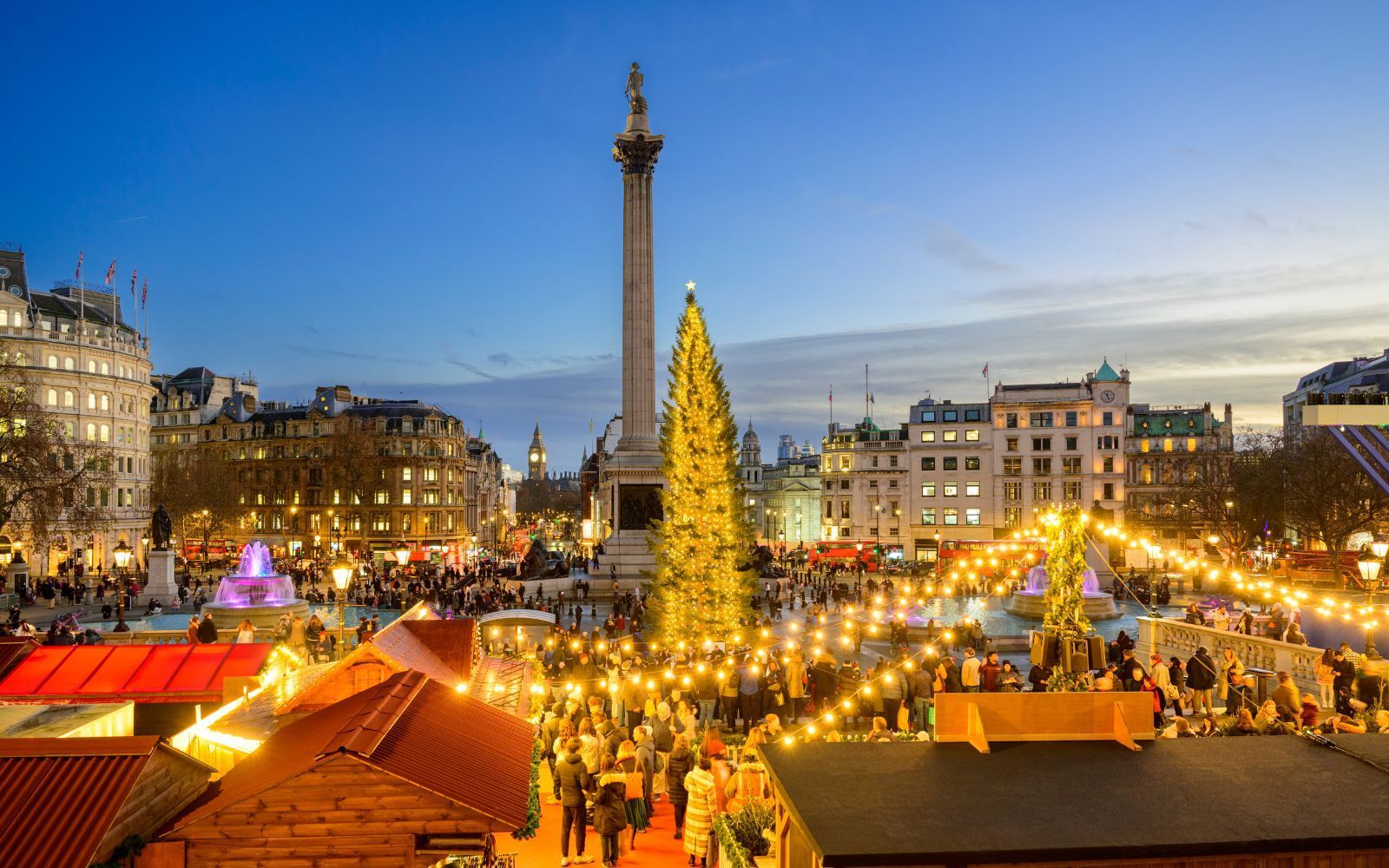
Trafalgar Square christmas market
Look closer at King’s Cross and you can see the new logic in full form. What used to be a one-weekend craft fair now stretches across five weeks, with up to ten different markets spilling into the redeveloped railway yards. There is Christmas under the Canopy, the Illustrators Fair, Crafty Fox’s designer showcase, and a rotating Christmas Charity Supermarket that turns shopping into both art and activism. The effect is not one big event but a rolling calendar of niche sub-scenes—part retail, part ritual—where Londoners drop in after work or spend a Saturday drifting between makers and musicians.
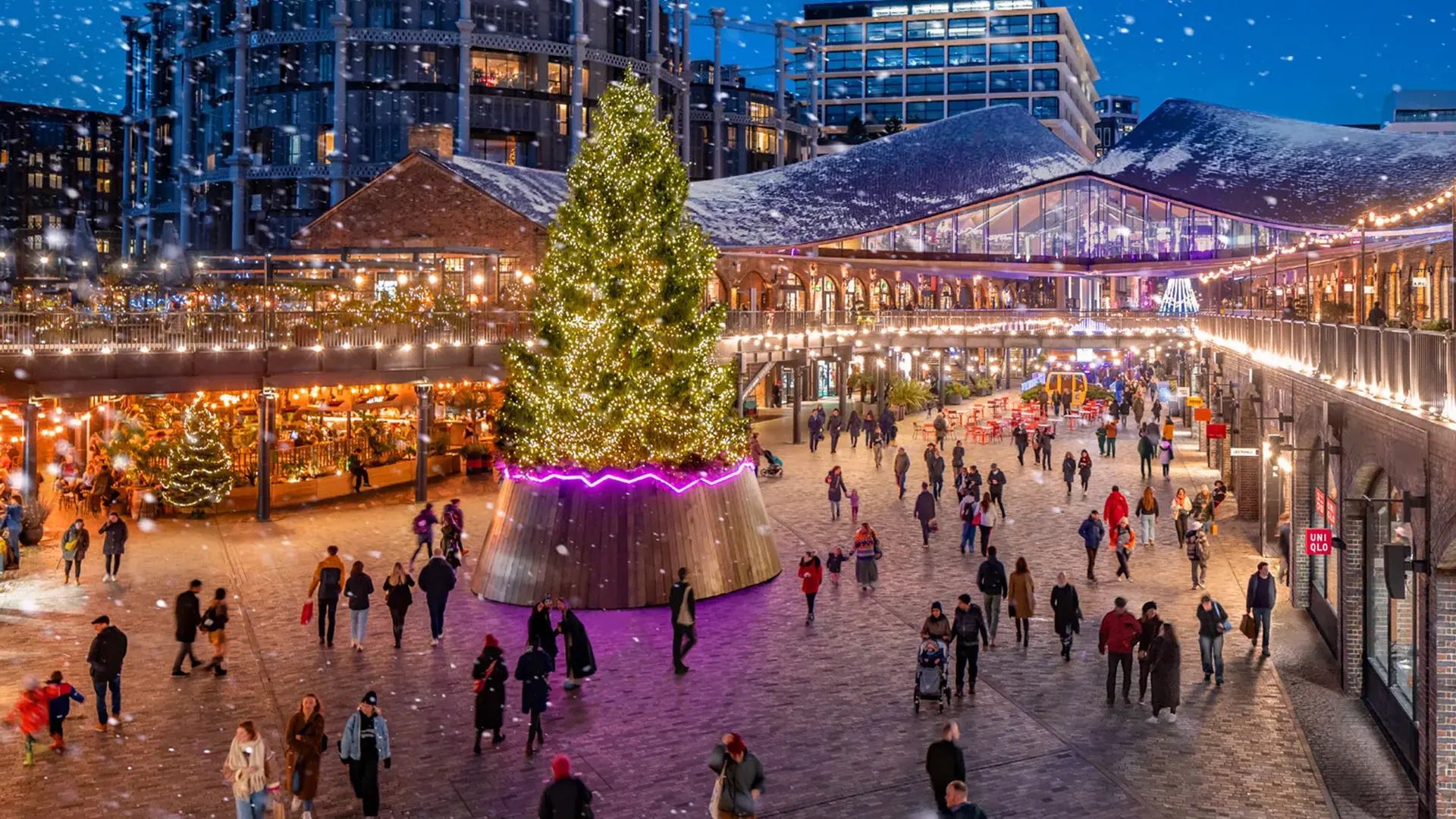
Kings Cross Chirstmas Market
Elsewhere, Borough Market and Covent Garden add only a seasonal layer rather than transforming themselves. Their decorations and choir sets arrive, but the core remains what these places already are: hubs of daily city life. In that sense, the line between Christmas market and city street has blurred. You can be doing your normal grocery run or lingering over coffee and still be inside the festive frame. The market has become the city itself.
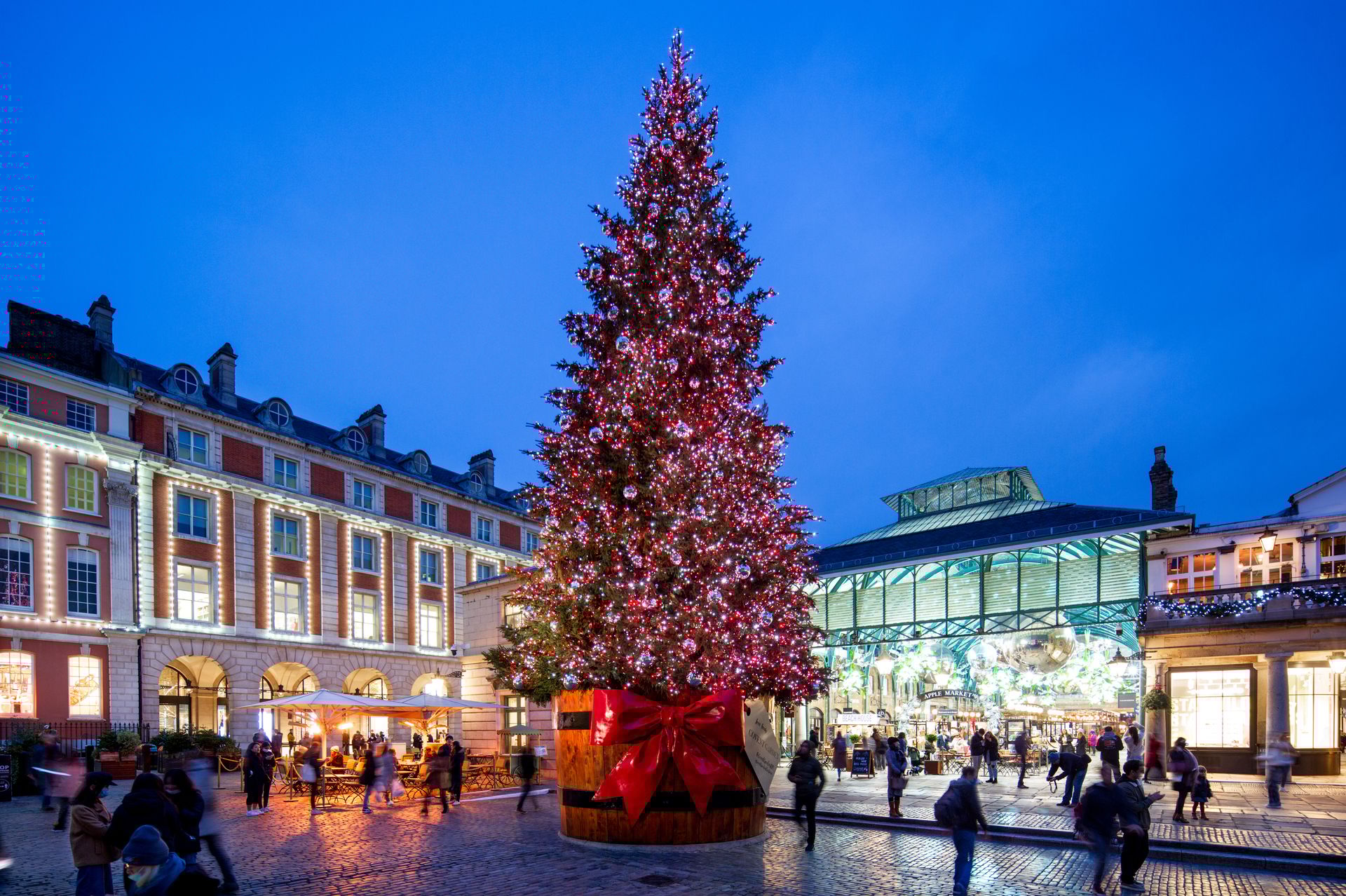
Covent Garden Christmas Tree
There is, quietly, a social undercurrent to this change. Avoiding Winter Wonderland’s entry fees, queues, and intensity has turned into a small point of pride, the new London flex. A free-entry stroll through Southbank or King’s Cross is not just thriftier, it feels more authentic, more connected to craft and community than spectacle. The visual language has evolved too: fewer Bavarian-style huts, more illustrators, sustainable fashion tables, and candle-lit pop-ups run by designers and charities. London’s Christmas has wandered out of the fairground and back into its neighborhoods, rediscovering itself not through scale but through texture.
Why do you go to Christmas Markets?Choose your answer below: |
Spotlight on Nazaré, Portugal
Eat
Step into Taberna d’Adélia, a Nazaré landmark just beyond the sand where the Atlantic’s bounty lands straight on your plate. Grilled sea bream, clams, and robust fish stews come out of the kitchen gleaming with olive oil and sea air. This family-run favourite champions local producers and feels like a seafood festival tucked inside a beachside tavern.

The view from Sitio
Explore
Catch the century-old funicular from the lower town up to Sítio, a lofty clifftop hamlet with sweeping Atlantic views. From here, walk the short road to Forte de São Miguel Arcanjo, the squat seaside fortress perched above Praia do Norte. Below, the world‑record giant‑wave break thunders in winter, when surfers chase 30‑meter walls of water.
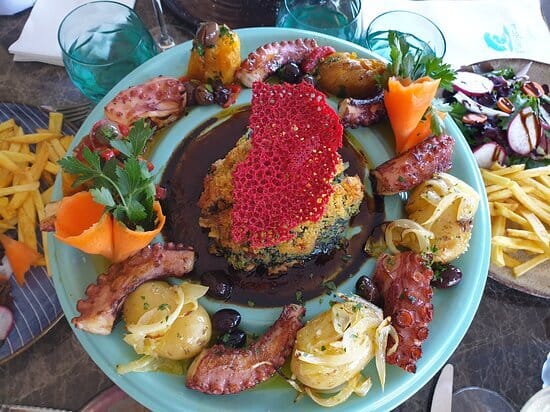
Pangeia Restaurant
Unwind
For a quieter perspective, climb just a bit higher to the lookout by Pangeia Restaurant. Its garden terrace wraps around the hillside, offering one of the widest panoramas in town—an amphitheater of ocean, village rooftops, and horizon.
Thank you for reading!
How would you rate todays edition of the newsletter? |
Sticking with the same home insurance could cost you
Home insurance costs are rising fast, up nearly 40% nationwide in just the past few years. With premiums changing constantly, sticking with the same provider could mean overpaying by hundreds of dollars. Shopping around and comparing multiple insurers can help lock in better rates without losing the protection your home needs. Check out Money’s home insurance tool to shop around and see if you can save.