- The Culture Vulture
- Posts
- Tiella vs Tortello: Italian Trattoria Showdown
Tiella vs Tortello: Italian Trattoria Showdown
Two of London's newest Italians go head to head - Tiella vs. Tortello; plus a London Art Fair, strange fashion trends and travels ideas to savour.

Shakira Taylor
January 28, 2026

Hey Culture Clubbies!
In this edition, we are settling a very London dilemma. Do you secure the bragging-rights new table that promises soulful regional cooking and a homely bar you will not want to leave, or do you lean into the proven thrill of watching fresh pasta rolled, stuffed, and sauced in front of you at a lively, multi-site favourite that rarely puts a foot wrong. Today we weigh Tiella Trattoria & Bar, the incoming Columbia Road charmer from chef Dara Klein, against Tortello, the handmade pasta specialist with a growing footprint and a fan base to match. Consider this your fork and compass to two versions of Italian warmth and generosity, each authentic in its own way.
Tiella vs Tortello: Italian Trattoria Showdown
PLATFORM: The Unexpected at London Art Fair 2026
Paleontologist Aesthetic: Dino‑Chic Takes Over Streetwear
Spotlight on Bologna, Italy
Let’s get started.
Support Your New Years Resolutions with CBD

Setting a New Years resolution is a lot easier than keeping it. But CBDistillery’s expertly-formulated CBD products make sticking with your resolutions easier. Save 25% on CBD to ease pain after workouts, stress less, sleep better or unwind alcohol-free with code HNY25 and keep your resolutions on track.
Tiella vs Tortello: Italian Trattoria Showdown
London loves Italian restaurants that feel personal, and the current moment pits anticipation against assurance. On one side is Tiella Trattoria & Bar, the first permanent home for chef Dara Klein after a much talked about residency at The Compton Arms. Tiella soft launches on 16 to 18 January with a full opening on 21 January 2026, setting up shop at 109 Columbia Road in Bethnal Green. The promise is a modern trattoria that works whether you drop in for an aperitivo and snacks or settle into a full meal, rooted in Italian sensibility and shaped by British seasonality.
On the other side is Tortello, a handmade pasta specialist helmed by Hermeet Gil and Lisa Goodwin-Allen, whose open kitchens and visible pasta craft have earned far-reaching applause. Where Tiella offers a wide trattoria canvas that reads like a chef’s personal playlist, Tortello is a focused concert of fresh pasta that plays to a crowd and delivers consistency. Both channel hospitality, both prize quality produce, and both are ready to answer the same craving through different vocabularies.
Tiella
Tiella’s room tells its story before the first menu is opened. The restaurant inhabits a beautifully restored 175-year-old Victorian former pub, with original tiling, reclaimed wood panelling, antique finds, and family heirlooms creating a sense of place that feels lived in rather than staged.

Colors run in terracotta, red, and yellow tones, warm and sunlit even on a grey London afternoon. A 15 seat central bar anchors the space, designed for proper drinking and snacking rather than as an afterthought. To one side sits a 30 cover dining room with an open kitchen that brings the bustle of cooking into the conversation without overwhelming it. Outside, a front terrace sets the scene for aperitivo when the weather allows, the sort of spot where a bowl of olives and a spritz become an hour very easily. Everything about the layout aims for ease, generosity, and rhythm, the trio Klein has said she wants the room to embody. The pub bones keep the room relaxed, the finishes keep it thoughtful, and the open kitchen keeps it honest.

The menu at Tiella matches that setting with cooking that is simple in intent and particular in detail. Stuzzichini set the welcome tone, like ricotta di Romagna with Calabrian chilli and Sardinian honey at £9, where spice, dairy, and floral sweetness meet, or panelle at £10 if you want something crisp and salty with your first drink. Antipasti may include beef fillet tartare at £14, unfussy and precise.
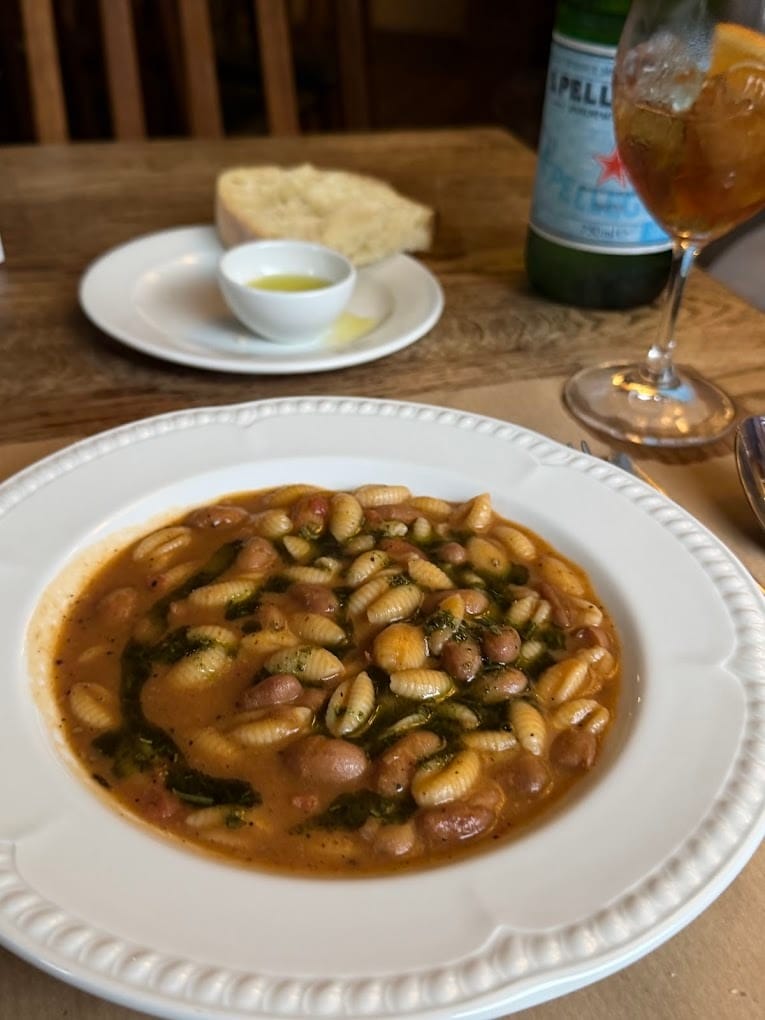
Semolina tagliatelle ragù at £20 answers the universal desire for a plate of pasta that tastes like it has been thought about rather than overworked. Signatures returning from the residency are set to anchor the early weeks: the chicken Milanese with green apple, fennel, and celery, the orecchiette with cime di rapa that telegraphs a Puglian accent, and that passatelli in brodo. Secondi carry confident simplicity, such as braised squid at £25 or that Milanese at £27, while sides and salads land in the £7 to £8 range.

Dolci keep the register light and fragrant, with a bay leaf panna cotta at £10 and other sweets between £9 and £11. There is forno bread and oil at £4.50 and marinated olives at £5 if you want to graze. Overall prices pitch mid range, with starters running £4.50 to £15, primi £14.50 to £20, and mains £22 to £27. It is a menu that reads as if it wants to feed you rather than impress you, which is often how excellence presents itself in trattorie.

The anticipation around Tiella is not built on mystery but on a trail of proof and praise. Time Out has already highlighted the soul nurturing pull of those Puglian leaning dishes, The Infatuation has praised the kind of homely Italian cooking Klein does so well. Klein’s childhood in Emilia Romagna is not a line to justify a menu choice, it is the frame for it, and the way the cooking folds in British produce reads as grounded rather than performative. Whether you are a solo at the bar with a glass of something Italian and a plate of panelle, or a group settling into the dining room for a full run at stuzzichini, primi, and secondi. With soft launch dates set from 16 to 18 January and doors fully open from 21 January, the countdown has an actual finish line. Expect a place that will be very hard to snag in the first weeks, and one that feels like a home as much as a restaurant once you are in.
Tortello
Tortello meets Tiella’s promise with proof. Founded by Hermeet Gil, who leads the front of house, and Lisa Goodwin-Allen, who steers the kitchen direction, the brand has turned handmade pasta into something you watch as much as you eat.
The St Leonards site is the original, while Borough Yards brings an industrial chic feel at the edge of Borough Market, Notting Hill leans elegant but relaxed, and Bath broadens the reach beyond London. Across these rooms the throughline is an open kitchen where the pasta is made daily and the energy is visible. Service is friendly and efficient, tuned to the cadence of a place where you might be two courses in forty five minutes or you might linger, and it rarely misses.
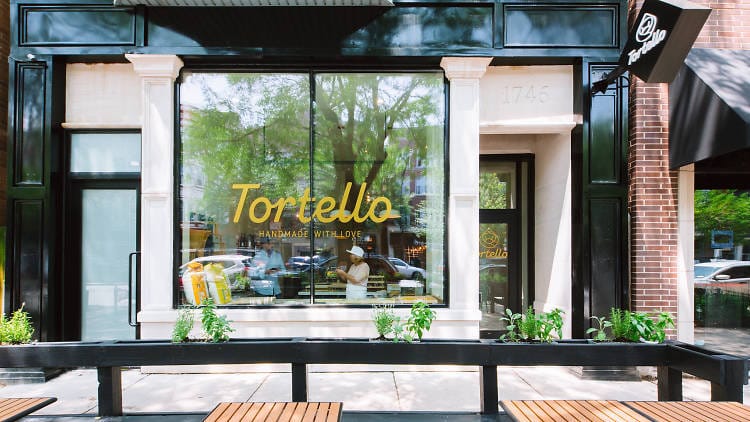
The wine list is strong on Italian bottles, with options starting around the £30 mark, which makes a shared bottle with a couple of bowls a compelling midweek ritual. Prices are accessible by design, antipasti mainly £5 to £12, pasta £14 to £22, secondi £18 to £28, sides £5 to £7, and desserts £7 to £9, and there are set lunches in the £20 to £25 range for two to three courses if you want structure. The rooms tend to be lively without being chaotic, with playlists that keep the buzz up and seating that works for dates, groups, and solo drop ins. It is a restaurant family that knows itself and serves to that strength.

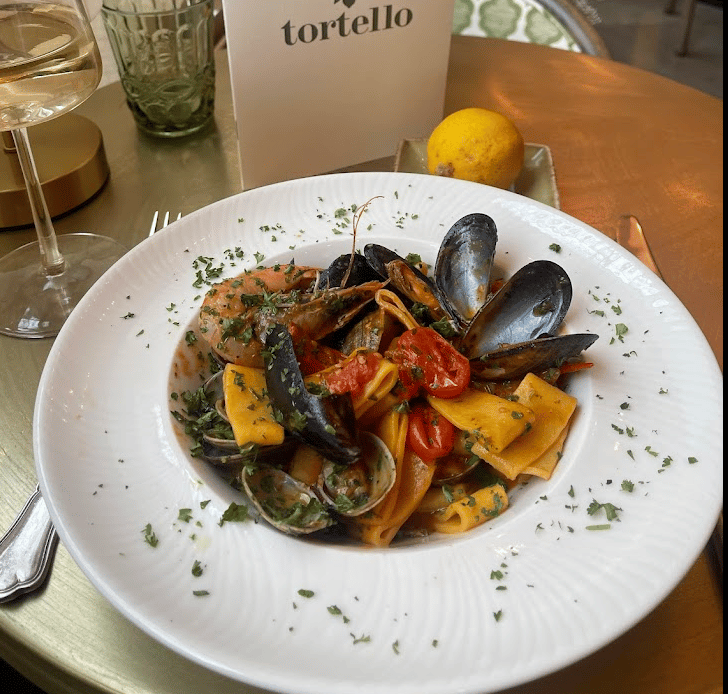
The Tortello menu is a study in focus. Antipasti set you up, with easy wins like warm focaccia at £5 or arancini at £9, but the heart is in the primi. The pappardelle with beef shin ragu at £18.50 is a signature for a reason, the kind of dish that carries texture and depth without weight, while tortello di zucca at £16.50 brings a sweet savoury balance that speaks to Emilian traditions. The green spinach tagliatelle with crab at £22 shows how Tortello handles seafood without losing the pasta voice, and linguine with clams shows up for those who love shellfish as much as starch. Vegetarians are looked after beyond the fallback, with cacio e pepe and pici with sausage among the regulars, and the kitchen knows how to sauce lightly rather than flood.
Desserts keep the mood classic and cheery. Tiramisu sits at £9, bomboloni at £8, both the kind of sweets that make a strong case for not skipping the last course. Reviews tell a consistent story across locations. The Guardian called Tortello pasta perfection, Time Out praised the proper pasta theatre of those open kitchens, The Infatuation has noted the reliable quality even when the rooms are busy, and ratings on OpenTable and TripAdvisor hover above 4.5. Freshness and value crop up as repeated themes in 2025 write ups, which tracks with the menu plan and the price points. There is a reason walk ins are often possible, and a reason the dining rooms are busy.

The Verdict
This is not a question of better, it is a question of which version of Italian hospitality you want tonight. Tiella is the broader canvas, with a menu that runs from stuzzichini to secondi and dolci and moves through Emilia Romagna and Puglia filtered through a London lens. It has the romance of a 175 year old pub made new, an open kitchen in a 30 cover room that feels personal, a 15 seat bar for aperitivo and snacks, and a terrace for when the sun cooperates. Tortello is the pasta specialist that has already proved itself, with open kitchens that turn rolling and stuffing into entertainment, accessible price points, and multiple settings that keep the vibe upbeat and the service practiced. If you want a full trattoria evening with varied courses and the sense of a new neighbourhood gem, choose Tiella and make a night of it. If you are craving the comfort and thrill of fresh pasta crafted a few steps from your chair, choose Tortello and enjoy how consistent excellence feels. Both are rooted in quality produce and real hospitality. Your mood decides the map.
PLATFORM: The Unexpected at London Art Fair 2026
What happens when familiar materials are pushed beyond what we think they can do?
That is the question posed by PLATFORM: The Unexpected, the curated section of the London Art Fair 2026 guided by art historian and author Dr Ferren Gipson. Presented from 21 to 25 January at the Business Design Centre in Islington, with a preview on 20 January, it is a cornerstone of the fair’s upcoming edition, bringing together artists who twist, layer, and test the limits of material and method. At the heart of this experiment is &Gallery’s contribution at Stand P6, where three artists—James Lumsden, Molly Thomson, and Andrew Clausen—transform surface and structure into sites of intrigue and discovery.

Dr Gipson, known for her book Women’s Work, brings a scholar’s precision and a storyteller’s vision to her curation. Her focus here is on how materials themselves alter meaning. Rather than seeing canvas, pigment, or metal as simply tools, PLATFORM proposes them as active collaborators in the act of creation. The show’s title, The Unexpected, sets its terms: surprise is not a gimmick but a method of thinking through art’s possibilities. The section’s balance of concept and craftsmanship mirrors Dr Gipson’s broader interest in how historical processes feed contemporary innovation.

At &Gallery’s stand, James Lumsden’s luminous panels seem to hover on the edge of painting and sculpture. His works result from a disciplined layering process that transforms surface into depth, rendering texture almost intangible. Each piece invites a slowed gaze. Lumsden’s practice, praised in the fair’s materials, embodies the essence of discovery through control: experimental yet exacting, unexpected yet meticulously built.
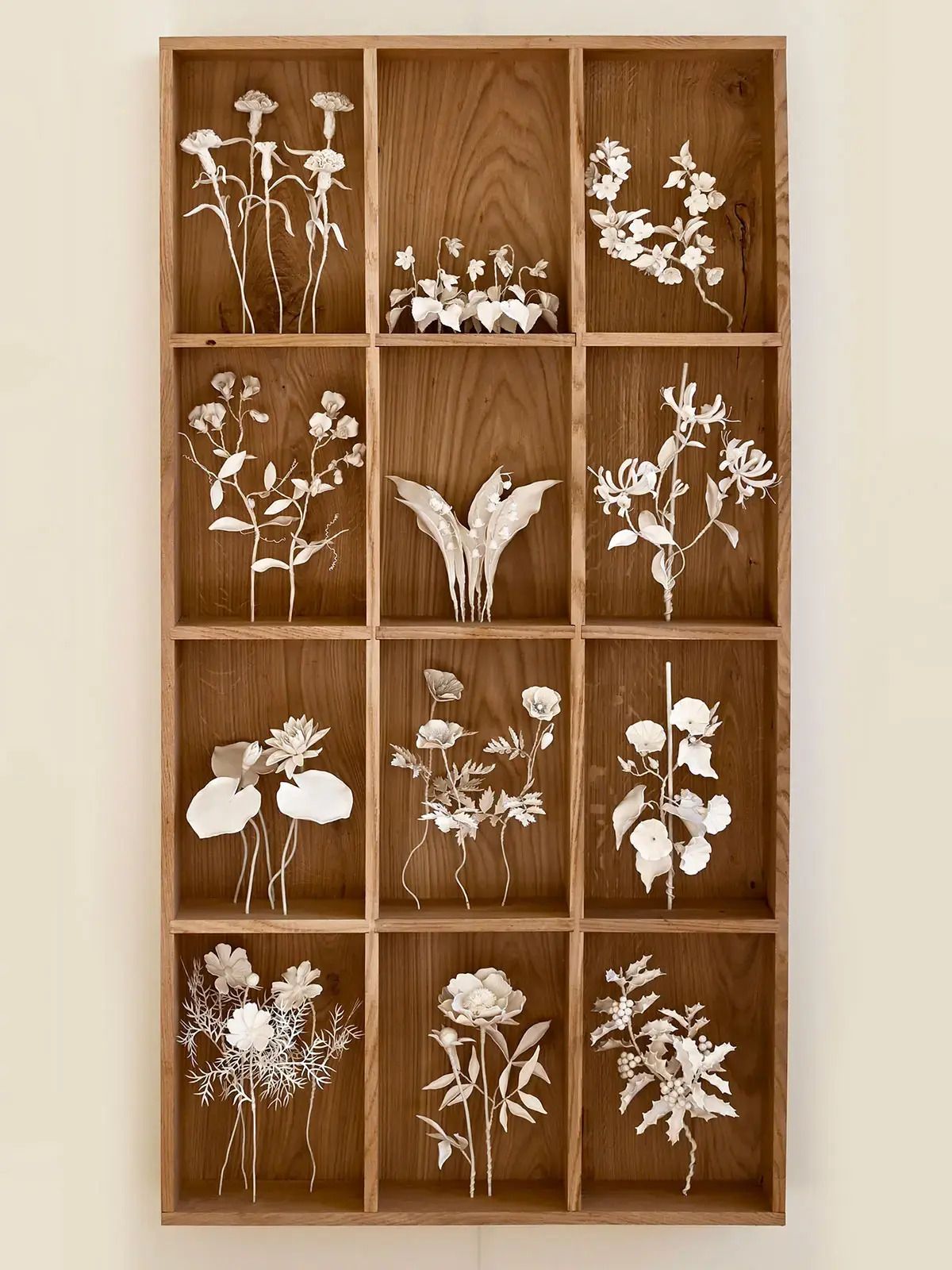
Nearby, Molly Thomson’s works sculpt structure into questions rather than answers. Her approach plays with volume and tension, often combining materials that resist one another. The result is an encounter with form that feels both precise and provisional. Within the fair’s broad sweep—from twentieth-century masters like Hepworth to the most experimental installations—Thomson’s pieces remind visitors that the act of making still holds the power to surprise.
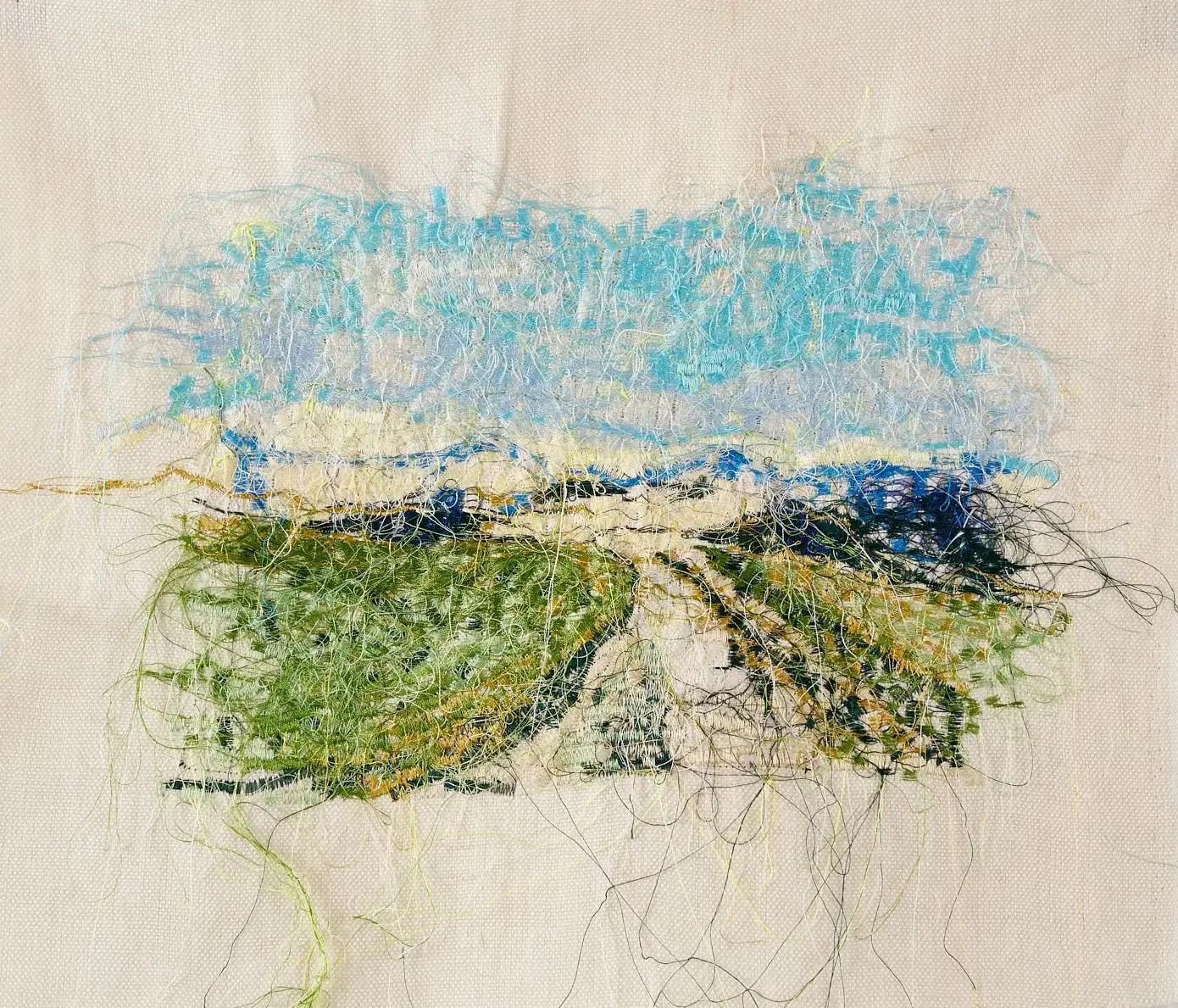
Andrew Clausen adds another layer with work that draws viewers into reconsidering what form itself can convey. His experimental techniques, highlighted in connection with Dr Gipson’s thematic framing, bend material toward metaphor. Clausen’s art sits comfortably within this section’s theme, showing how precision and play might coexist in harmony. Together, these three artists enact Dr Gipson’s curatorial idea that the unexpected doesn’t happen by accident—it is crafted, tested, and refined.

Aesthetica Magazine has praised PLATFORM for spotlighting the artists who stand on the edges of contemporary practice. Within the fair’s overall curation, which juxtaposes celebrated names with emerging voices, this section embodies London Art Fair’s ambition to connect history’s weight with tomorrow’s experimentation. The contrast ensures that PLATFORM stands not as a niche subsection but as a cohesive argument for risk in artistic production.
Paleontologist Aesthetic: Dino‑Chic Takes Over Streetwear
Jurassic dreams are no longer confined to museum halls or movie marathons. They are walking the streets. Dino‑Chic, the new paleontologist‑inspired aesthetic, is merging fossil fascination with high‑impact streetwear, giving everyone from school kids to sneakerheads reason to strut like modern raptors. The look blends playful nostalgia with an urban edge, and the trend cycle seems ready to crown it king of the urban jungle. Behind the spikes, scales, and skeleton prints lies a curious cultural mood: our fascination with deep time and evolution reimagined through wearable attitude.
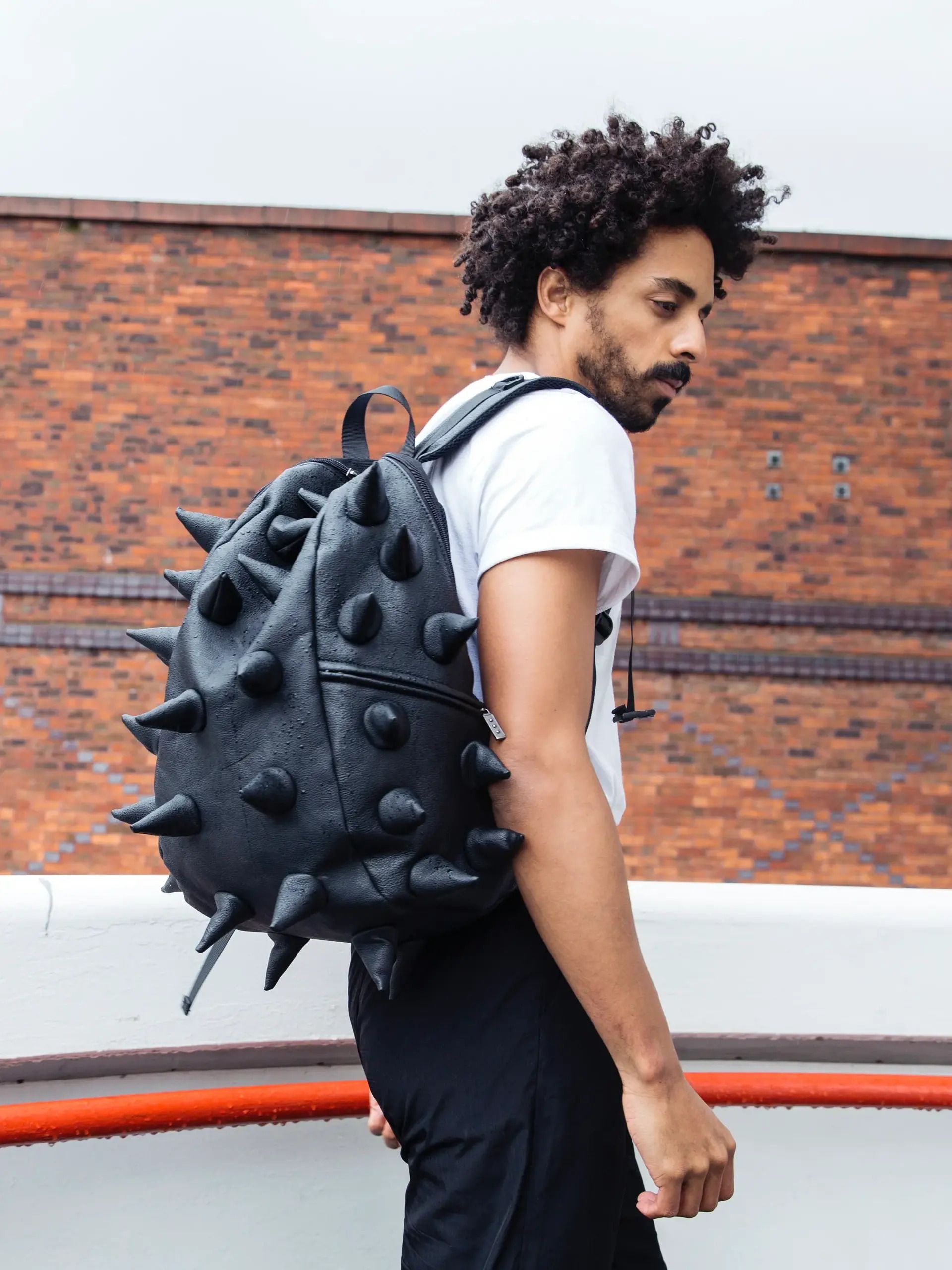
The most eye‑catching piece in this prehistoric revival is the Madpax Spike Backpack, a streetwear status symbol disguised as fossil armor. Covered in protruding 3D spikes that echo stegosaurus plating, it comes in metallic silver, reptilian textures, and even bubblegum pink. What could have been costume now reads as luxury—wearable sculpture with swagger. Commuters and students slip these packs over hoodies, instantly transforming into street‑dwelling dinosaurs ready for rush hour instead of predation. Look closer at Madpax’s reptile surfaces and you’ll see the artistry: blue‑green scales that shimmer like real hide, an almost uncanny translation of ancient skin into durable modern material.
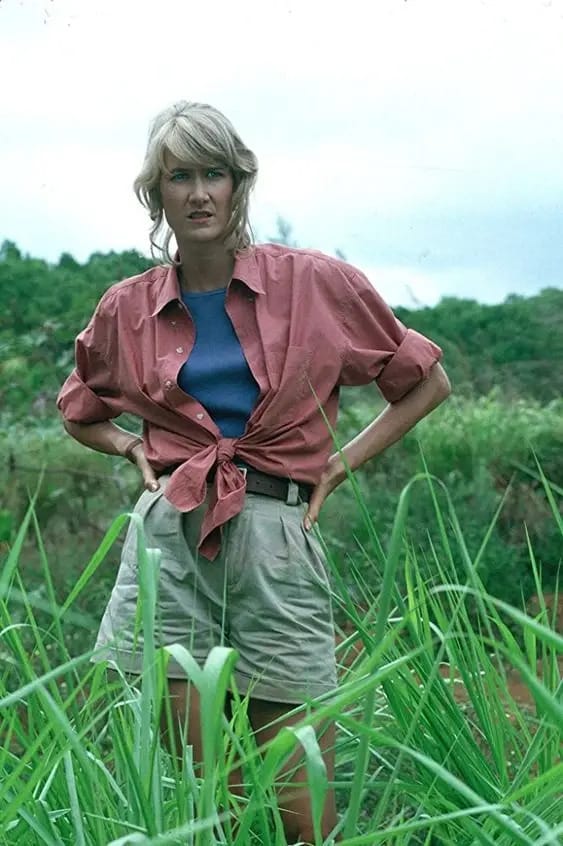
Tops follow the same instinct for experimentation. Big‑print T‑Rex tees stomp forward in oversized cuts, while minimalist skeleton outlines offer quiet confidence under jackets. The most popular options, from small labels to Etsy creators, refine the dino imagery into graphic precision: ribcages, fossilized skulls, or subtle vertebral curves glinting in monochrome. Hoodies go a step further, integrating full‑back skeleton graphics that seem lifted from paleontology sketchbooks. Zoom in on certain Etsy editions and the glow effect reveals under streetlights, like a secret nod between fossil hunters who traded field hats for snapbacks.

Streetwear accessories are joining the pack. Embroidered T‑Rex baseball caps, vibrant socks from Sock It To Me, and patterned wide‑leg pants from platforms like Temu turn a casual outfit into a walking exhibit. The mix of humor and craftsmanship is crucial; a wink toward discovery makes every item more than just merch. Even major retailers like H&M are leaning into the tone, placing dinosaur hoodies in adult sections instead of children’s racks. Dino‑Chic has crossed generations, proving that extinct can still equal expressive.
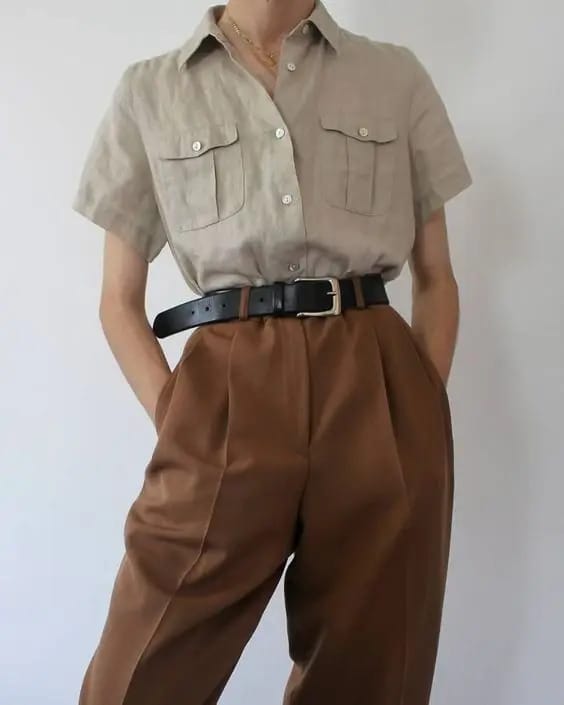
The kids’ market, often the first to sense cultural shifts, is driving the concept forward with digital precision. For 2026, streetwear lines powered by AI art push the aesthetic into futuristic territory, merging Jurassic imagination with tech‑infused design. These micro‑drops arrive quicker than you can say Cretaceous, each one remixing scales, claws, and bones through algorithmic textures. What once belonged to science museums now evolves in code. The result is a playground where AI meets archaeology on cotton.
Why this rise now? Nostalgia plays a part, tapping into the comfort of Jurassic childhoods, but there’s deeper resonance. The fossil motif speaks to endurance and adaptation, a natural metaphor for streetwear’s survival through endless reinvention. Wearing spikes or skeleton prints says you belong to a lineage of evolution—from species to style. Dino‑Chic may look tongue‑in‑cheek, yet it captures the moment’s bigger craving: to connect with prehistory even as we stride into the algorithmic age. Fashion becomes fieldwork, each hoodie or backpack an excavation of personality.
Spotlight on Bologna, Italy
Eat
Begin at Trattoria Bertozzi, a neighborhood classic where the aroma of slow-simmered ragù greets you like an old friend. Everything tastes as if it’s been handed down from a grandmother who measures with instinct rather than spoons. It is the kind of meal that doesn’t just satisfy hunger but roots you in the city’s culinary rhythm.

Explore
Step outside and follow the flow of Bologna’s famous porticos—forty kilometers of sheltered walkways now recognized by UNESCO for their cultural significance. These elegant arcades curve through the city center, linking medieval towers, university courtyards, and frescoed chapels. As you stroll, stone columns cast rhythmic shadows, giving the sense of walking through an architectural lullaby.

Unwind
Duck down Via Castiglione to discover Sfoglia Rina, a bright, homey workshop dedicated to the art of fresh pasta. Here, sfogline - pasta artisans roll thin sheets of dough before your eyes, shaping tortelloni and tagliatelle with practiced grace.
Thank you for reading! Mirupafshim!
How would you rate todays edition of the newsletter? |